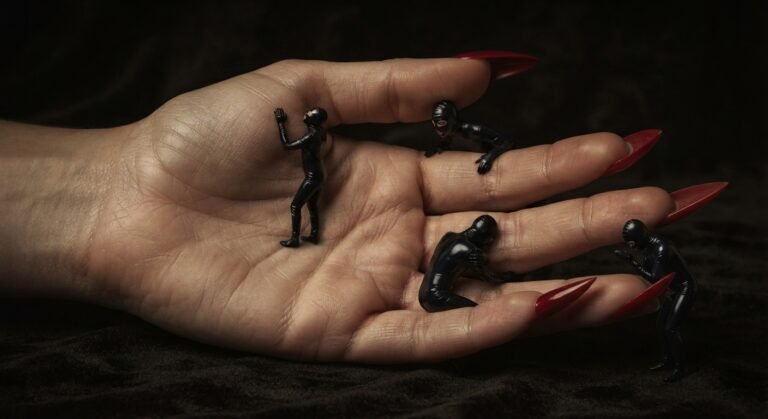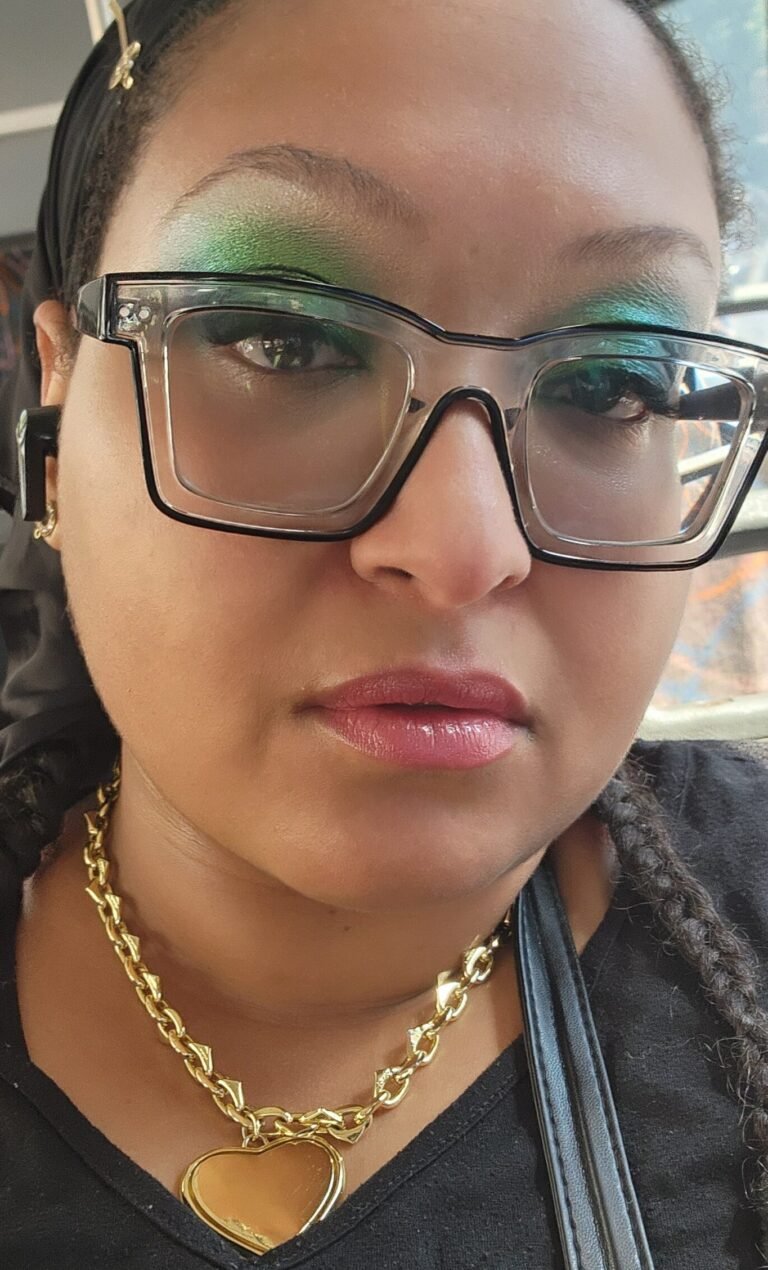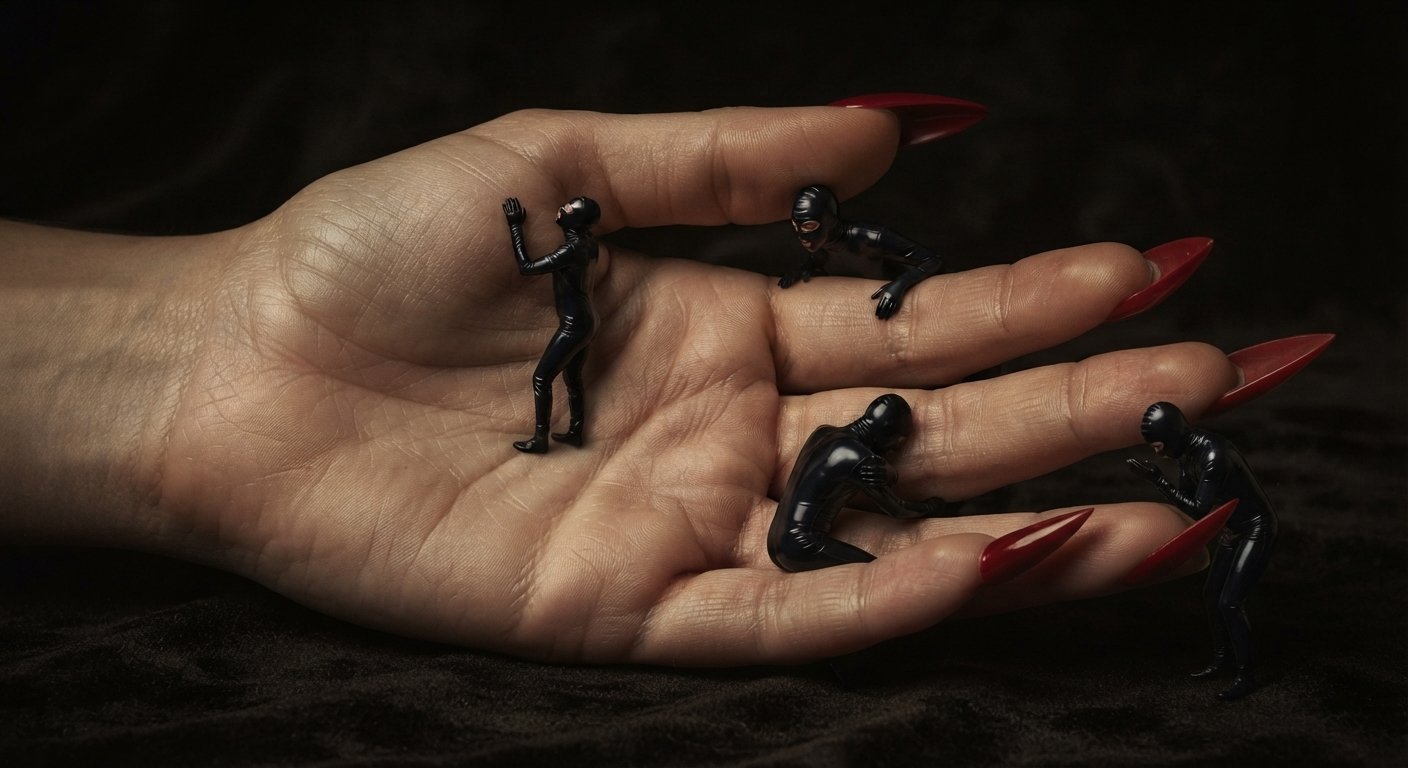
Hand fetishism is a sexual interest centered on hands, fingers, palms, nails, gestures, or particular qualities and movements of the hands. Although hands are an everyday part of human interaction, communication, work, touch, and appearance, they can also become a highly specific focus of erotic attention for some people.
This interest is sometimes discussed under the terms hand partialism and cheirophilia.
What Is Hand Fetishism Specifically?
Hand fetishism can encompass attraction to the hands as a whole or to particular features such as the fingers, palms, backs of the hands, knuckles, wrists, fingernails, skin texture, veins, or the proportions of the hand. For some people, the visual appearance is central; for others, movement, touch, gestures, or the way someone uses their hands may be more important.
The focus can therefore be surprisingly varied. One person may be particularly attracted to long fingers, another to neatly maintained nails, another to the appearance of working hands, and another to particular gestures or forms of movement. Some people describe an attraction to hands in isolation, while others experience the hands as one especially compelling feature of an otherwise attractive person.
This variety is important because there is no single physical characteristic that defines a hand fetish. The interest can involve aesthetics, movement, touch, symbolism, or a combination of these elements.
The academic literature also provides an important distinction between an interest and a disorder. Contemporary clinical approaches do not automatically regard a particular sexual interest as a psychiatric disorder merely because it is unusual. Clinical significance depends on factors such as distress, impairment, or other circumstances rather than simply the existence of the interest itself.
Research into the terminology surrounding fetishism has also shown that the classification of interests involving body parts has changed considerably over time. Martin Kafka’s review of diagnostic terminology notes that older psychiatric classifications treated body-part interests and object-focused interests differently, while later classifications reconsidered the distinction between fetishism and partialism.
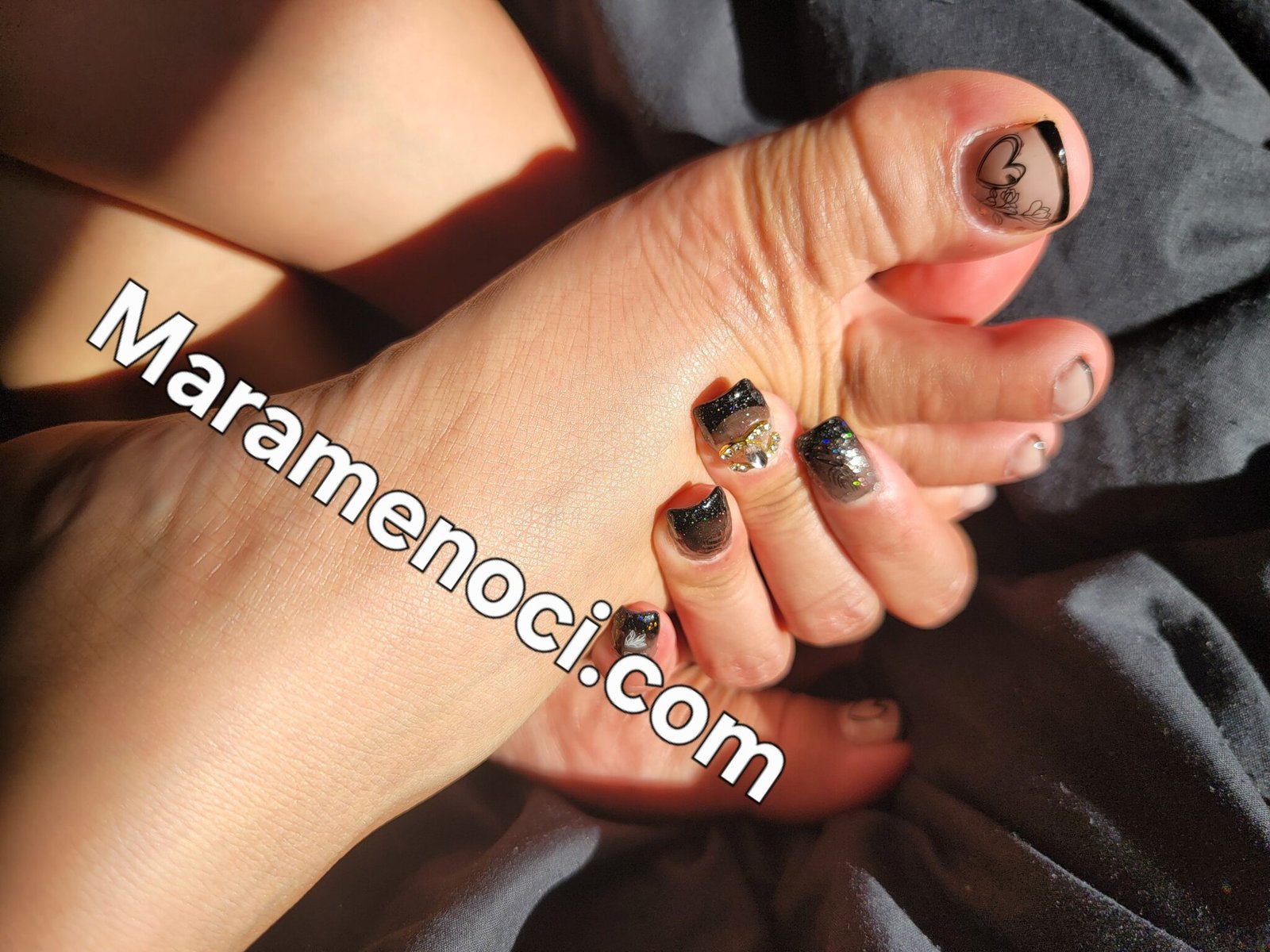
The Terminology: Cheirophilia and Hand Partialism
Cheirophilia is a term constructed from Greek roots associated with the hand and affection or affinity. It is commonly used as a technical-sounding label for sexual interest in hands, although it is not necessarily the preferred term among everyone who experiences the interest.
Hand partialism is another useful expression. In sexological terminology, partialism refers to a sexual focus on a particular non-genital part of the body. Hands fit naturally into this category because they are a distinct anatomical region that can become the primary focus of erotic attention.
The distinction between “fetishism” and “partialism” has a complicated history. Earlier psychiatric definitions sometimes separated interests in objects from interests in body parts. As diagnostic systems changed, that separation became less clear-cut. Kafka’s historical review observes that body-part interests such as attraction to feet or hands were treated separately from fetishism in some editions of the Diagnostic and Statistical Manual of Mental Disorders, before later scholarship questioned whether the distinction was clinically useful.
For a general audience, hand fetishism is usually the clearest descriptive term, while cheirophilia and hand partialism can be useful when discussing sexology or terminology.
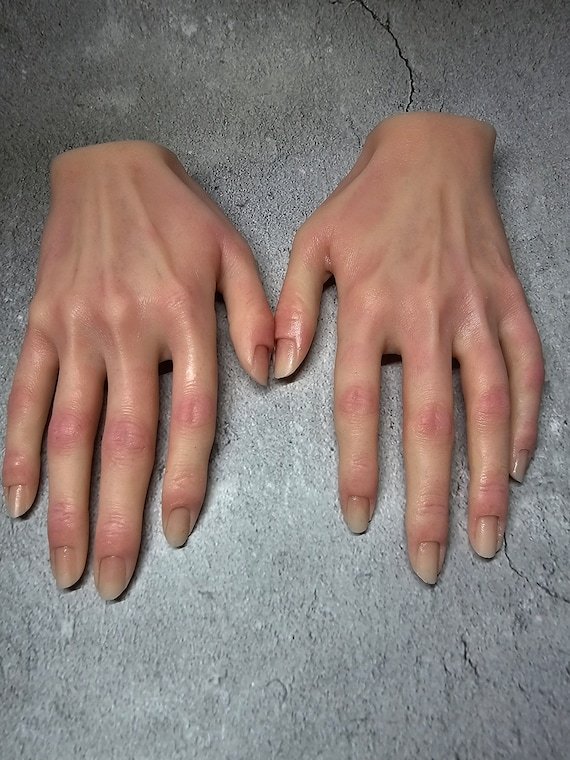
Historical Origins of the Concept
The fascination with hands is much older than the modern term used to describe it. Hands have occupied an unusual position in human culture for thousands of years because they simultaneously represent touch, creation, communication, labor, identity, and intimacy.
However, the specifically sexual use of the word fetishism belongs to relatively recent European sexological history. The term fetishism was introduced into medical discourse in the nineteenth century, with Alfred Binet playing a particularly important role in its development as a term for unusual patterns of sexual attraction. Later sexologists and psychiatrists expanded and reorganized the concept.
This history matters because modern terminology should not be projected backward onto earlier cultures. Historical paintings, literature, religious imagery, sculpture, and cinema may place unusual emphasis on hands, but that does not by itself demonstrate that their creators or audiences possessed a hand fetish.
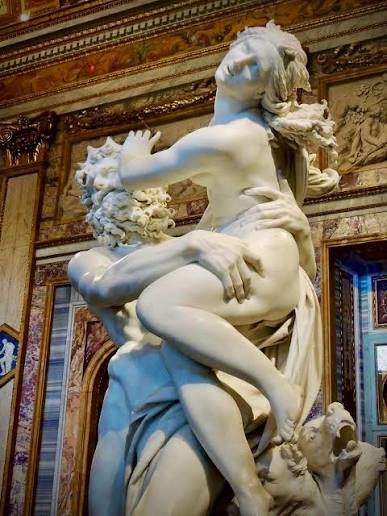
Instead, the historical record demonstrates something broader: human culture has repeatedly treated the hand as an unusually expressive and symbolically powerful part of the body.
Modern scholarship on hands in visual culture reinforces this point. Research on hands in cinema has examined their connections with artistic labor, identity, communication, touch, eroticism, horror, and technology. The hand can function simultaneously as an anatomical object and as a symbol of human action.
Why Are Hands Such a Potent Erotic Focus?
There is no single scientifically established explanation for why a particular person develops a sexual interest in hands. Several psychological and sensory factors have nevertheless been proposed as relevant to body-part-focused attraction more generally.
Visual Detail
Hands contain a large number of visually distinctive features. Finger length, nail shape, skin texture, veins, joints, knuckles, scars, jewelry, grooming, and movement can all contribute to how a hand looks.
Unlike many parts of the body, hands are also constantly visible in ordinary social situations. Someone may notice another person’s hands while they are writing, driving, cooking, gesturing, playing an instrument, working, or simply resting them on a table.
Movement and Gesture
Hands are unusually expressive. A person’s gestures can communicate confidence, nervousness, affection, authority, playfulness, concentration, or excitement without a word being spoken.
That expressive quality has made the hand an important subject in film studies. Scholars have noted that filmmakers can use close-ups of hands to communicate information about character, identity, narrative, emotion, and power.
Touch
Hands are also the primary instruments through which people touch one another. A handshake, caress, hand-holding, or a hand placed on someone’s shoulder can carry emotional meaning without being explicitly sexual.
This creates an interesting overlap between ordinary intimacy and erotic symbolism. For someone with a strong attraction to hands, an object that is already associated with interpersonal contact can acquire an additional layer of erotic significance.
Association and Learning
Psychological theories of sexual interest have proposed that attraction can become associated with particular sensory cues through experience, attention, learning, fantasy, or repeated exposure. These theories should not be treated as a universal explanation for hand fetishism, however. There is no single developmental pathway that applies to everyone with this interest.
In other words, the existence of a hand fetish does not necessarily imply a specific childhood event, trauma, relationship, or conditioning experience. Individual sexual interests can emerge through combinations of biological, psychological, developmental, cultural, and personal factors.
The Importance of the Hand as a Symbol

One reason hands can acquire unusual significance is that they already carry enormous symbolic weight.
Hands represent action: we make things with them.
They represent communication: we gesture and sign with them.
They represent identity: fingerprints are individually distinctive, while scars, jewelry, nail styling, and other characteristics can make hands visually recognizable.
They represent intimacy: holding hands and touching are among the most familiar forms of physical affection.
They also represent skill. Musicians, artists, craftspeople, surgeons, athletes, mechanics, writers, and many other professionals are identified partly through what their hands can do.
This symbolic richness helps explain why hands have received extensive attention in painting, photography, literature, theater, and cinema even when sexuality is not involved.
Film scholarship, for example, has described the hand as a visual device capable of representing everything from artistic creation and labor to identity, danger, eroticism, and human connection.
Overlap With Other Fetish Interests
Hand fetishism can overlap with several other forms of body-part or object-focused attraction, although these should not automatically be treated as the same thing.
Fingernail Fetishism
Nails are physically part of the hand but can become the specific focus of attraction. Someone may be especially interested in nail length, shape, polish, grooming, or the visual contrast between nails and skin.
Glove Fetishism
Gloves can become associated with hands while simultaneously creating their own aesthetic appeal. The material, fit, color, length, and transformation of the hand’s appearance can all become significant.
This creates an interesting boundary: an attraction to an uncovered hand is not necessarily the same as an attraction to gloves, even though the two interests can coexist.
Jewelry and Hand Adornment
Rings, bracelets, watches, nail polish, and other forms of adornment can become part of what makes a particular hand attractive. In such cases, the appeal may involve both the hand itself and the cultural meanings attached to its decoration.
Touch and Tactile Interests
A person may be attracted not merely to the appearance of hands but to the idea of being touched by them. This shifts the focus from anatomy toward interaction and sensation.
Consequently, two people who both describe themselves as being attracted to hands may have substantially different experiences. One may be primarily visual, another tactile, and another interested in particular gestures or contexts.
Foot and Other Body-Part Interests
Hand fetishism is sometimes compared with attraction to feet or other body parts because all involve a strong erotic focus on a particular anatomical region. The comparison is useful from a sexological perspective, but the psychological meaning of one interest should not automatically be assumed to explain another.
Hands in Art, Photography, and Cinema

The cultural history of the hand extends far beyond sexual representation.
Artists have repeatedly isolated or emphasized hands because they are visually expressive. A hand can communicate vulnerability, authority, labor, affection, threat, or mystery without showing the entire person.
Modern film scholarship has increasingly treated the hand as a subject worthy of analysis in its own right. The academic collection Hands on Film, for example, examines hands through categories including symbolism, aesthetics, narration, characterization, and theme.
The 2024 journal dossier Screening Hands similarly examines hands in relation to artistic labor, touch, digital technology, embodiment, eroticism, horror, and human identity.
This broader cultural history is significant for understanding hand fetishism. A fetishistic fascination with hands does not occur in a cultural vacuum: it develops around a body part that society has already invested with extraordinary visual and emotional meaning.
Hand Fixation in Film and Popular Culture
May (2002)
One of the clearest examples of a hand-centered fixation in contemporary cinema appears in Lucky McKee’s psychological horror film May.
The title character, played by Angela Bettis, becomes intensely attracted to Adam, a mechanic played by Jeremy Sisto, with his hands becoming the physical feature she finds particularly beautiful. The fixation is woven into the film’s larger themes of isolation, perfection, fragmented bodies, and the desire to find an ideal person.
Importantly, May uses this fixation as part of a horror narrative. It should therefore not be treated as a realistic psychological case study of people with hand fetishism. The film deliberately exaggerates May’s behavior to explore obsession, loneliness, bodily fragmentation, and disturbed ideas of perfection.
IMDb’s entry for May documents the central character’s attraction to the male lead’s hands.
The Hands of Orlac
Robert Wiene’s 1924 silent film The Hands of Orlac is another important example of the cultural fascination with hands, although it is not fundamentally a story about hand fetishism.
The film centers on a pianist whose hands become associated with identity, violence, technology, and the fear that a body part can possess a history or agency independent of its owner.
Film scholar Regina Karl’s analysis of the movie emphasizes the way hands connect cinematic representation with questions of technological reproduction, prosthetics, fingerprints, and the idea of the hand as an especially human form of action.
Read the academic analysis of The Hands of Orlac. You can also watch the full film on YouTube.
The Hand in Digital Culture
The modern digital environment has made hands even more visually prominent.
Social media, photography, video platforms, fashion photography, nail-art communities, jewelry advertising, beauty content, and short-form video all produce enormous quantities of hand-focused imagery.
There is an important distinction between ordinary hand-focused content and explicitly fetishistic material. A photograph of someone’s manicure, a demonstration of a musical technique, or a video of someone painting does not become fetishistic merely because a viewer finds the person’s hands attractive.
At the same time, digital media makes it considerably easier for people with highly specific interests to find imagery matching their preferences. The ability to search by individual anatomical features has transformed how niche forms of attraction are represented and circulated.
Hands also have a distinctive role in digital interfaces. The familiar thumbs-up, pointing finger, waving hand, and other hand-based symbols have become part of online communication itself. Contemporary screen scholarship has examined how digitally rendered hands can become symbolic, erotic, comic, threatening, or surreal objects.
Artist Ed Atkins’s 2013 gallery film Even Pricks, for example, centers on a digitally rendered hand derived from the familiar social-media “like” gesture. Scholar Lucy Bollington’s analysis demonstrates how the digital hand can be transformed into something far removed from its everyday communicative function.
Read the Oxford Academic analysis of Ed Atkins’s Even Pricks.
Why Hand Fetishism Can Be Difficult to Recognize
One reason hand fetishism can receive less public attention than some other body-focused interests is that hands are normally visible in everyday life.
A person who finds hands attractive does not necessarily need a specialized environment to encounter the object of their attraction. Hands appear constantly in photographs, movies, advertisements, workplaces, classrooms, public transportation, and ordinary interpersonal interaction.
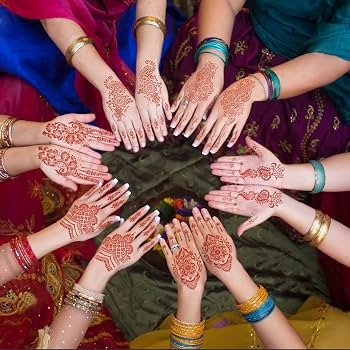
There is also considerable cultural variation in how hands are presented. Nail styling, rings, gloves, tattoos, henna, watches, manicures, occupational wear, and different conventions of dress can all alter their appearance.
As a result, hand fetishism exists at an interesting intersection between private sexual preference and ordinary visual culture.
Respect, Consent, and Real-World Interaction
Because hands are highly visible and socially interactive, hand fetishism can raise a simple but important interpersonal issue: attraction does not create entitlement to touch another person’s body.
Someone may have beautiful hands, attractive fingers, distinctive nails, or a particular gesture that another person finds extremely appealing. That does not make unsolicited touching appropriate.
In consensual relationships, however, a hand-focused interest can simply become one aspect of intimacy. Communication is particularly useful because people can have very different comfort levels concerning comments, photographs, touching, or attention directed toward their hands.
This distinction between private attraction and respectful behavior toward other people is important in any discussion of a body-focused sexual interest.
Hand Fetishism in the Broader Cultural Imagination
Perhaps the most interesting feature of hand fetishism is that it involves a body part that is already loaded with cultural meaning.
Hands create art. They play music. They communicate through gesture and sign language. They touch other people. They perform skilled work. They reveal age and occupation. They can be decorated, concealed, photographed, painted, injured, or transformed.
Because hands already sit at the intersection of action, identity, communication, and intimacy, a sexual fascination with them can acquire meanings beyond simple physical appearance.
This also explains why hands appear so frequently in cinema and visual art without necessarily being sexual. The same close-up of a hand can represent tenderness in one scene, danger in another, artistic labor in another, and erotic attraction somewhere else.
Academic work on screen hands makes precisely this point: the hand is unusually versatile as a cinematic object because it can operate simultaneously as part of the body, a tool, a symbol, a narrative device, and an expression of human agency.
Conclusion
Hand fetishism, sometimes called hand partialism or cheirophilia, is a highly specific form of attraction in which hands or their particular characteristics become an important source of erotic interest. It can involve appearance, movement, touch, nails, gestures, adornment, or other features, and different individuals can experience the attraction in very different ways.
Its history cannot be reduced to a single origin. The modern terminology developed within nineteenth- and twentieth-century sexology, but fascination with hands has much deeper roots in art, literature, religion, social customs, and visual culture.
Psychologically, there is no single explanation that accounts for every instance. Theories involving learning, attention, sensory salience, fantasy, and personal association may help explain particular cases, but they should not be treated as universal causes.
Its cultural presence is equally broad. From early cinema and surrealist imagery to contemporary horror, fantasy literature, digital art, photography, and social media, hands have repeatedly been presented as objects of beauty, mystery, intimacy, power, and fascination.
Ultimately, hand fetishism illustrates how an ordinary part of the human body can acquire highly individual erotic significance. The hand is simultaneously practical and intimate, public and personal, functional and expressive. That unusual combination helps explain why it has remained such a powerful subject in both human culture and individual attraction. Lets end this article with a classic movie trailer…
References and Further Reading
- Kafka, M. P. “The DSM Diagnostic Criteria for Fetishism.”
Archives of Sexual Behavior, 2010.
PubMed - Monahan, Barry. Hands on Film: Actants, Aesthetics, Affects.
Amsterdam University Press, 2022.
Cambridge University Press - “Screening Hands.” Screen, Volume 65, Issue 4, 2024.
The collection examines hands in relation to cinema, embodiment, technology, labor, eroticism, and horror.
Oxford Academic - Karl, Regina. “Technological Reproduction at Odds: Hand and Cinematography in Robert Wiene’s The Hands of Orlac.”
Cinéma & Cie.
University of Milan - Bollington, Lucy. “Ed Atkins’s Dildonic Hand.”
Screen, 2024.
Oxford Academic - Hekma, Gert. “Fetishism.”
Wiley Encyclopedia of Sexuality and Gender.
Wiley Online Library - Fedoroff, J. Paul. “Fetishistic Disorders.”
In The Paraphilias: Changing Suits in the Evolution of Sexual Interest Paradigms.
Oxford University Press, 2019.
Oxford Academic - McCallum, E. L. Object Lessons: How to Do Things With Fetishism.
State University of New York Press, 1998.
Do you want to explore this topic in a private virtual session? Contact me or fill out the Slave Application.
Did you enjoy this article? Donate to the cause via Tribute (Send Money).
Feel free to leave your thoughts in the comment section of this post.
Subscribe to My Newsletter!
Get new content updates every week...or when I feel like sending one!