
Overview:
Cuckolding is a sexual interest or relationship dynamic where a person’s partner has sex with someone else, with the first partner gaining erotic excitement from this. Historically, a “cuckold” was a man whose wife was unfaithful, often without his knowledge or consent. Modern consensual cuckolding contrasts with this, involving deliberate fantasy, observation, erotic jealousy, consensual non-monogamy, power exchange, or excitement about a partner’s pleasure with another.
Historical Origins of the Cuckold

(Chrysococcyx maculatus)
- The term derives from the cuckoo bird, known for brood parasitism (laying eggs in others’ nests), metaphorically applied to unfaithful wives.
- Entered English in the Middle Ages; cuckolds were comic social figures representing men unaware of their wives’ infidelity.
- Explored in Geoffrey Chaucer’s The Canterbury Tales (especially The Miller’s Tale), Renaissance, and Shakespearean drama as sources of comedy, anxiety, and masculine insecurity.
- In 17th- and 18th-century European literature, cuckolds were comic figures highlighting tensions around marriage, class, gender, and authority.
- Modern fantasy transforms these historical fears of betrayal or humiliation into consensual, desired experiences.
Terminology and Changing Meanings

Original title: Il magnifico cornuto (1964) 1h 57m
Andrea Artusi begins to have doubts about the loyalty of his beautiful wife. When doubt becomes an obsession, his behavior becomes completely crazy, stalking her relentlessly.
- Cuckold: Historically, a man with an unfaithful wife; now, a man deriving consensual excitement from a partner’s sexual activity with others.
- Cuckolding: The erotic scenario or practice; may involve watching, hearing about, imagining, or simply knowing about the partner’s encounters.
- Cuckquean: Female counterpart; a woman aroused by her male partner’s sexual activity with others.
- Wittol: A man who knows about and accepts his wife’s infidelity—anticipates consent in modern cuckolding.
- Cuckoldress: A woman active in the cuckolding dynamic with a male partner.
- Bull: In heterosexual cuckolding, the additional male partner.
- Hotwife: A woman whose partner enjoys her sexual freedom; differs from cuckolding by emphasizing shared enjoyment over jealousy or humiliation.
- Troilism: Sexual interest involving a romantic partner and an additional partner; terminology varies.
Psychological Interpretations

1h 27m NC-17
“A married Lady seeks intimacy outside her marriage after her husband is paralyzed. With his approval, she pursues an affair to satisfy her needs.”
- No single explanation; motivations vary widely.
- Erotic jealousy: Jealousy can become exciting through fantasy control.
- Voyeuristic elements: Attraction to watching partner with another, distinct from non-consensual voyeurism.
- Compersion: Pleasure from a partner’s pleasure; jealousy and compersion can coexist.
- Humiliation and submission: Some enjoy a subordinate role, overlapping with BDSM.
- Taboo and transgression: Excitement from violating exclusivity norms.
- Control and surrender: Erotic control through voluntary loss of control, not necessarily linked to low self-esteem or dissatisfaction.
What Research Suggests
- Research on cuckolding is limited but shows wide variation in fantasy preferences.
- Studies on consensual non-monogamy highlight coexistence of jealousy and compersion, and importance of consent.
- Distinction between consensual non-monogamy and infidelity is key.
- Psychological dysfunction is not implied by the interest itself; consent and boundaries matter most.
Overlap With Other Sexual Interests
- Voyeurism
- Exhibitionism (sexual activity witnessed by others)
- Humiliation
- Submission and dominance
- Chastity or sexual denial
- Group sexuality (threesomes, multi-person activity)
- Role-play without additional partners
- Erotic jealousy
- Compersion
Different individuals emphasize different components.
Cuckolding and Polyamory

This iconic French film follows two lifelong friends who fall in love with the same captivating woman, Catherine. The story explores a sweeping, complex, and unconventional multi-person bond over decades, setting the aesthetic and emotional blueprint for how cinema frames non-monogamous love.
- Polyamory involves multiple romantic relationships with consent; cuckolding focuses on erotic interest in partner’s sexual activity with others.
- Both can involve negotiated non-exclusivity and jealousy management.
- Polyamory includes ongoing emotional intimacy beyond sexual encounters.
- They overlap in consensual sexual non-exclusivity but differ in relational emphasis.
Gender and Sexual Orientation
- Often portrayed as a heterosexual male fantasy, but it varies.
- Cuckolding fantasies exist among gay men and other orientations.
- Gendered terms (cuckoldress, bull) are sometimes used but many prefer neutral terms like “partner” or “lover.”
Cuckolding in Literature and Popular Culture

- Medieval literature: Chaucer’s The Miller’s Tale comically explores deception and marital infidelity.
- Shakespeare: Frequent use of cuckoldry as anxiety and humor about fidelity and masculine reputation.
- Restoration comedy: Used adultery and cuckoldry to explore gender, class, and authority.
- Eyes Wide Shut (1999 film): Explores jealousy, fantasy, control, and sexual desire, highlighting psychological complexity of cuckolding.
- Erotic fiction and adult media: Establish conventions emphasizing jealousy, humiliation, voyeurism, partner pleasure, and confident additional partners, though real experiences may differ.
Modern Cultural Impact

After five years of marriage, Diana discovers the joys of adultery, claiming that she can save her failing relationship through betrayal.
- Modern cuckolding reverses traditional fear into desired erotic experience.
- Reflects broader cultural shifts from shame and moral failure to consent and individual meaning.
- The internet has increased visibility and vocabulary, but also stereotypes.
- The term “cuck” now has separate political and internet insult meanings, distinct from consensual cuckolding.
Consent, Communication, and the Modern Practice
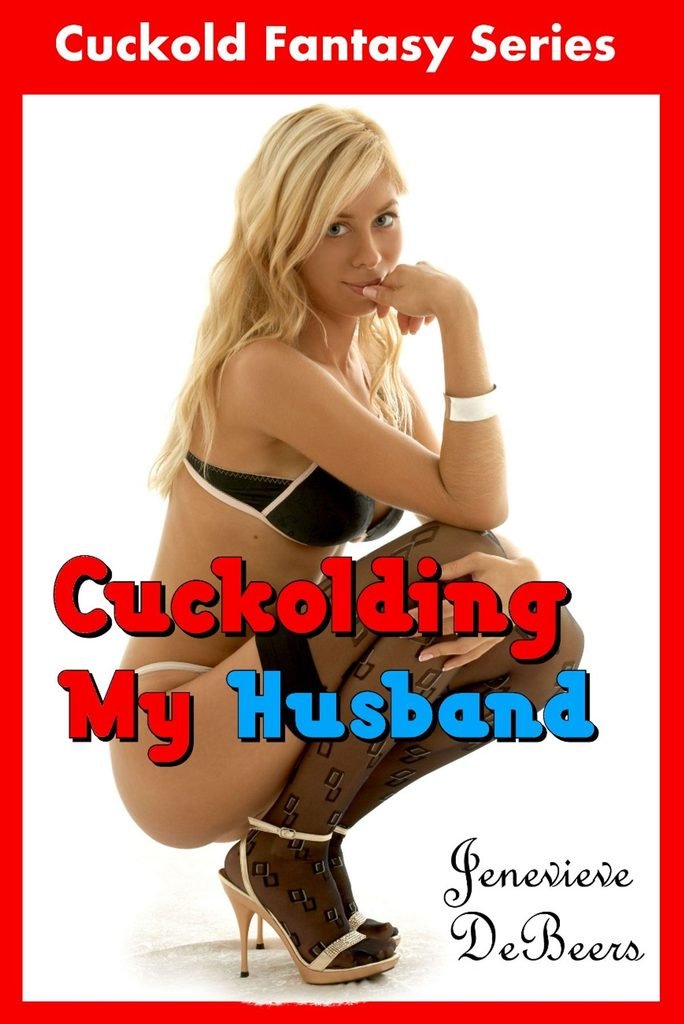
- Consent is the key ethical difference from betrayal.
- Partners negotiate and agree on boundaries, limits, and communication.
- Jealousy and other complex emotions can coexist with consent.
- Sexual health and safety discussions are important when fantasy becomes real.
Common Misconceptions
- “A cuckold wants to be cheated on.” Not necessarily; consensual cuckolding involves knowledge and agreement.
- “Cuckolding always involves humiliation.” No; many emphasize different elements like voyeurism or compersion.
- “Someone who enjoys cuckolding must have low self-esteem.” No universal basis; meanings vary.
- “Cuckolding and polyamory are the same.” They differ fundamentally.
- “Historical and modern cuckold mean the same.” They do not; modern meaning involves consent.
Conclusion
- Cuckolding is culturally and psychologically interesting because it inverts traditional meanings of sexual exclusivity and masculine status.
- Modern fantasies blend jealousy, voyeurism, submission, humiliation, partner pleasure, taboo, compersion, and consensual non-monogamy.
- Connection with polyamory highlights differences in erotic versus relational focus.
- From medieval stories to modern media, cuckoldry remains a potent cultural symbol reinterpreted as consensual pleasure rather than imposed humiliation.
Selected References and Further Reading
- Lehmiller et al. (2018). The Psychology of Gay Men’s Cuckolding Fantasies. Archives of Sexual Behavior.
- Lehmiller (2020). Fantasies About Consensual Nonmonogamy Among Persons in Monogamous Romantic Relationships. Archives of Sexual Behavior.
- Mogilski et al. (2019). Jealousy, Consent, and Compersion Within Monogamous and Consensually Non-Monogamous Romantic Relationships. Archives of Sexual Behavior.
- Flicker et al. (2021). Feeling Good About Your Partners’ Relationships: Compersion in Consensually Non-Monogamous Relationships. Archives of Sexual Behavior.
- Scoats & Campbell (2022). What Do We Know About Consensual Non-Monogamy?. Current Opinion in Psychology.
- Gupta et al. (2024). A Scoping Review of Research on Polyamory and Consensual Non-Monogamy. Journal of Family Theory & Review.
- Chaucer, Geoffrey. The Canterbury Tales, especially The Miller’s Tale.
- Kolker & Abrams (2019). Eyes Wide Shut: Stanley Kubrick and the Making of His Final Film. Oxford University Press.
- Abrams & Orgill (eds.) (2023). Eyes Wide Shut: Behind Stanley Kubrick’s Masterpiece. Liverpool University Press.
- Pacheco (2004). Reading Toryism in Aphra Behn’s Cit-Cuckolding Comedies. The Review of English Studies.
Editorial note: Historical and contemporary sexual terminology differ; “cuckolding” here means consensual sexual fantasy or practice, while “cuckoldry” refers to older concepts of infidelity.
Do you want to explore this topic in a private virtual session? Contact me or fill out the Slave Application.
Did you enjoy this article? Donate to the cause via Tribute (Send Money).
Feel free to leave your thoughts in the comment section of this post.
Article Bdsm BDSM community BDSM education BDSM lifestyle Expose Femdom femdom finance femdom financial control Fetish fetish community fetish culture fetish gear fetish psychology financial control financial control fetish Financial Domination financial domination online financial domination psychology financial domination techniques financial submission financial submissive financial tribute Findom Findomme Foot Fetish money domination Money slave money worship online financial domination Paypig paypig community paypig demands paypig lifestyle paypig rituals paypig tribute power exchange Promo S&m Smoking fetish Social submission Video Video clip Youtube
Subscribe to My Newsletter!
Get new content updates every week...or when I feel like sending one!