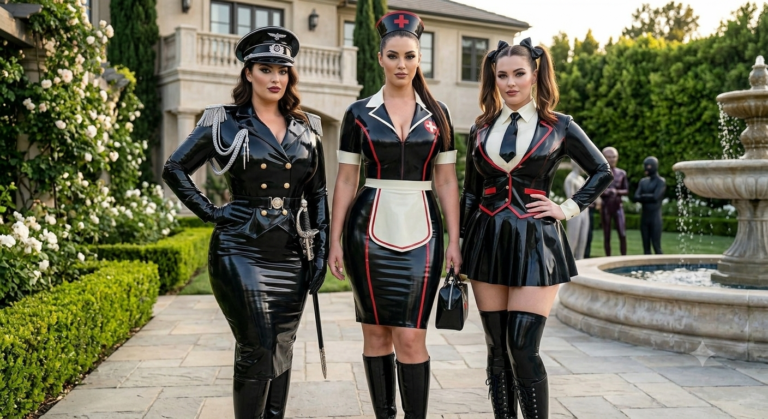
Introduction
Pregnancy fetishism (sometimes referred to as maiesiophilia or maieusiophilia, though these clinical terms are relatively uncommon outside specialist literature) describes sexual attraction to pregnancy itself, the appearance of a pregnant body, or the idea of pregnancy. It represents a broad spectrum of interests rather than a single, uniform preference. For some individuals, the attraction centers on the visual changes of pregnancy, while for others it may involve symbolic ideas associated with fertility, creation, intimacy, or reproduction.
Researchers generally regard pregnancy fetishism as one of many atypical but consensual sexual interests. By itself, it is not considered evidence of a psychological disorder, provided it does not cause significant distress, impair functioning, or involve non-consensual behavior.
Terminology
Several terms have been used to describe attraction to pregnancy:
- Pregnancy fetishism – The most widely recognized and commonly used term in both academic discussions and popular culture.
- Maiesiophilia – Derived from the Greek maieusis (“midwifery” or “childbirth”) and philia (“love” or “attraction”). The term appears occasionally in sexological literature but remains relatively rare.
- Pregophilia – An informal modern term encountered primarily in online discussions and fan communities.
- Impregnation fetish or breeding fetish – Related but distinct concepts emphasizing the act or fantasy of causing pregnancy rather than attraction to pregnancy itself.
- Hentai Subgenres (Impregnation/Expansion): Adult-oriented anime and manga frequently explore “breeding” or “impregnation” fetishes where characters undergo rapid, exaggerated belly growth.
- Omegaverse (Mpreg): This Boys Love (BL) subgenre frequently features male pregnancy.
While these labels are often used interchangeably, “pregnancy fetishism” remains the most accessible and widely understood expression.
Historical Origins
Unlike many documented sexual interests, pregnancy fetishism has relatively little direct historical documentation. Most historical references must be inferred through broader studies of fertility, beauty ideals, and reproductive symbolism.
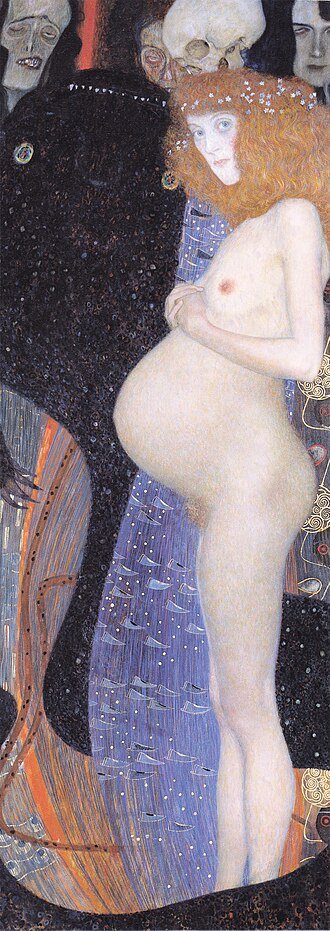
Ancient Fertility Traditions
Throughout history, pregnancy was closely associated with fertility, prosperity, and divine power rather than eroticism alone.
Civilizations including:
- Ancient Egypt
- Ancient Greece
- Ancient Rome
- Mesopotamia
produced countless artistic depictions celebrating pregnancy, motherhood, and childbirth. Fertility goddesses such as Isis, Demeter, and Cybele symbolized abundance and creation.
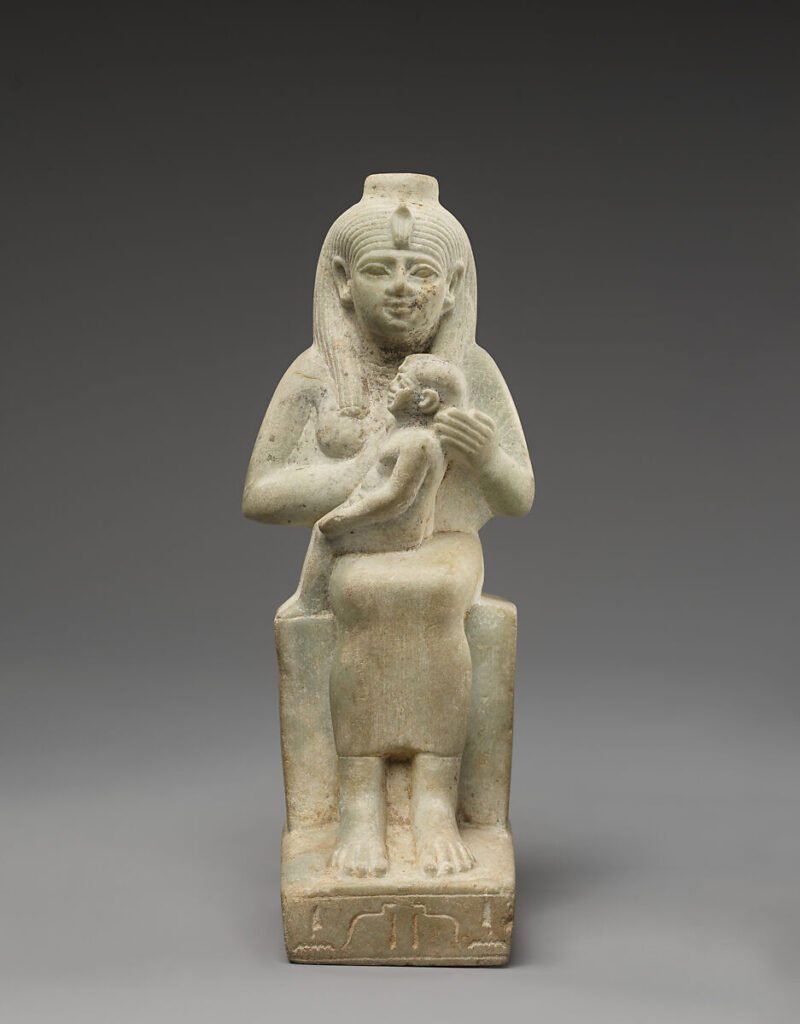
ca. 733–525 BCE
Although these representations were often reverential or religious rather than explicitly sexual, they established enduring associations between pregnancy and beauty, femininity, and life-giving power.
Medieval and Renaissance Europe
During the medieval period in Europe, public discussion of sexuality became more restricted due to prevailing religious norms. Artistic portrayals of pregnancy generally emphasized motherhood, virtue, and family lineage rather than sensuality.
By the Renaissance, artists increasingly depicted pregnant women with greater anatomical realism, although pregnancy itself remained far less frequently represented than motherhood after childbirth.
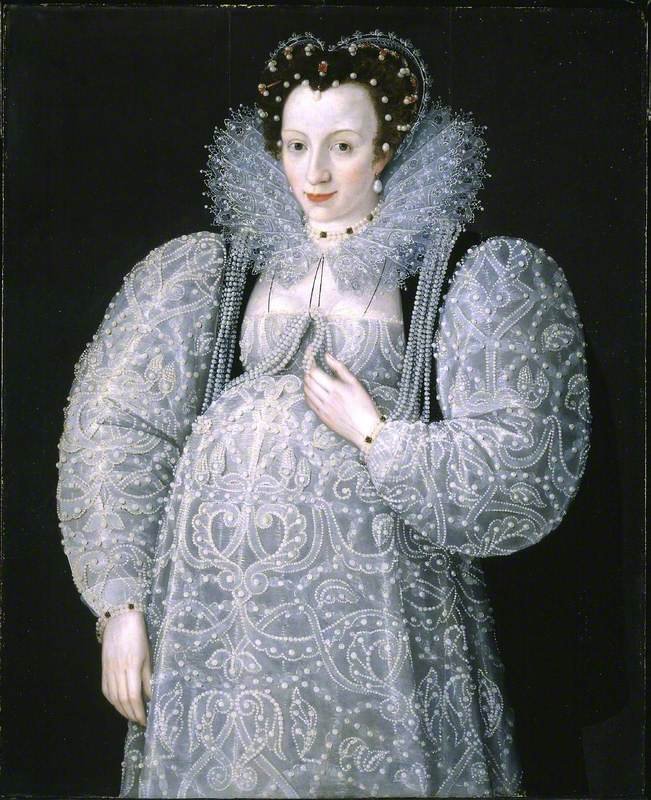
As anatomical study expanded during the Renaissance, medical illustrations of pregnancy became more detailed. By the nineteenth century, obstetrics emerged as a specialized medical discipline, leading to more systematic documentation of pregnancy.
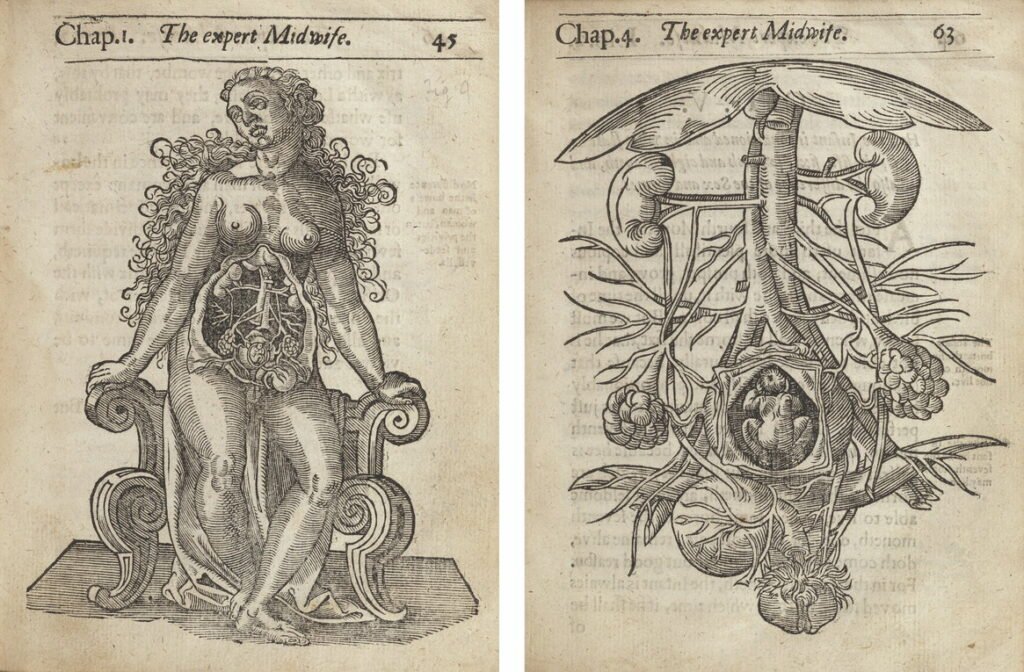
Historical evidence does not suggest an organized or recognized pregnancy-focused sexual subculture during these periods.
Early Sexology
Modern discussion of pregnancy fetishism emerged alongside the development of sexology during the late nineteenth and early twentieth centuries.
Researchers such as:
- Richard von Krafft-Ebing
- Havelock Ellis
- Magnus Hirschfeld
catalogued numerous unusual sexual interests, although pregnancy attraction itself received comparatively little attention. Most early observations appeared only as isolated case reports rather than dedicated studies.
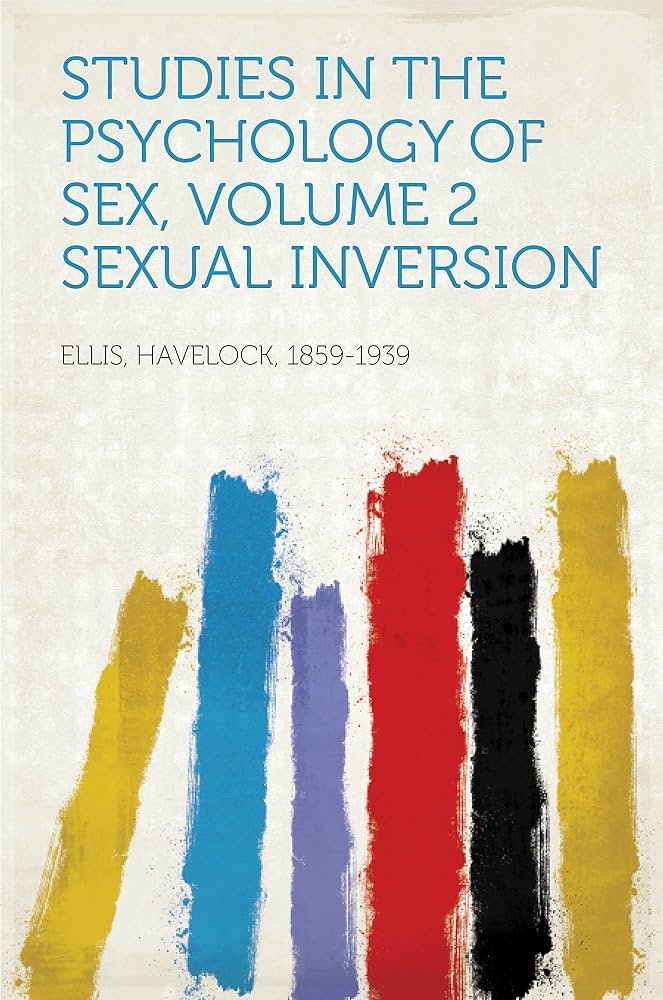
Interest in pregnancy became more visible within broader discussions of reproductive sexuality during the twentieth century as psychology and human sexuality research expanded.
Psychological Interpretations
There is no single accepted explanation for why some individuals develop a pregnancy fetish. Contemporary psychology generally views sexual interests as emerging through multiple interacting biological, developmental, and social influences.
Several hypotheses have been proposed.
Fertility and Reproductive Signaling
From an evolutionary psychology perspective, pregnancy represents unmistakable evidence of fertility and reproductive success.
Some researchers have suggested that attraction to pregnancy may reflect heightened responses to reproductive cues, although this explanation remains speculative and cannot account for the full diversity of individual experiences.
Body Appreciation
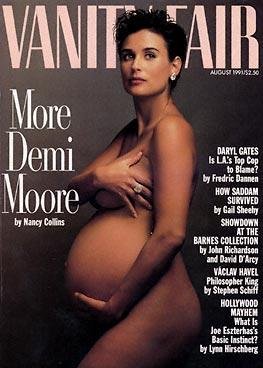
Many individuals report that their attraction centers primarily on the physical appearance of pregnancy.
Features commonly described include:
- enlarged abdomen
- fuller breasts
- changes in body proportions
- altered posture
- visible signs of fetal movement
In these cases, pregnancy functions as a distinctive body type rather than as a symbol of parenthood itself.
Symbolic Meanings
For others, pregnancy carries emotional symbolism that contributes to attraction.
Reported associations include:
- creation of new life
- intimacy between partners
- nurturing
- femininity
- maturity
- vulnerability
- family formation
Importantly, these symbolic associations vary considerably between individuals.
Classical Conditioning
Sex researchers have also proposed that repeated associations between sexual arousal and pregnancy-related imagery may reinforce attraction over time.
This explanation resembles broader conditioning theories used to explain the development of many sexual preferences.
Individual Variation
Clinical literature consistently emphasizes that pregnancy fetishism is highly heterogeneous.
- Some individuals are attracted exclusively to pregnant bodies.
- Others simply consider pregnancy an attractive characteristic alongside many others.
- Still others experience the attraction primarily through fantasy rather than real-life relationships.
Relationship to Other Sexual Interests
Pregnancy fetishism frequently overlaps with—but remains distinct from—several other sexual interests.
Belly Fetishism (Alvinophilia)
One of the strongest overlaps occurs with attraction to the abdomen.
Some individuals are attracted specifically to the enlarged pregnant belly, while others distinguish pregnancy from general abdominal attraction.
Not everyone with a belly fetish is attracted to pregnancy, and not everyone interested in pregnancy is attracted to non-pregnant stomachs.
Lactation Fetishism (Lactophilia)
Pregnancy often precedes lactation, leading to overlap between pregnancy fetishism and attraction to breastfeeding or milk production.
However, many people experience only one of these interests rather than both.
Breeding Fetish
A breeding fetish focuses primarily on impregnation, fertility, or the fantasy of conception.
Pregnancy fetishism instead centers on pregnancy itself, regardless of how conception occurred.
Although the two frequently coexist, they represent distinct areas of interest.
Transformation Fetishes
Some individuals are attracted to the dramatic physical transformation associated with pregnancy.
This overlap places pregnancy fetishism alongside broader interests involving bodily change, growth, or transformation.
Body Expansion Fetishes
Pregnancy represents a naturally occurring form of bodily enlargement.
Consequently, some people interested in body expansion fantasies may also find pregnancy particularly appealing.

Clinical Perspectives
Major psychiatric diagnostic systems do not identify pregnancy fetishism as a disorder in itself.
Under the Diagnostic and Statistical Manual of Mental Disorders, Fifth Edition, Text Revision, an atypical sexual interest becomes clinically relevant only when it causes significant personal distress unrelated to social disapproval or results in harm, coercion, or non-consensual behavior.
Similarly, the International Classification of Diseases 11th Revision distinguishes between consensual atypical sexual interests and conditions that involve harm or lack of consent.
Most available research therefore treats pregnancy fetishism as one possible variation in human sexual attraction rather than an inherently pathological condition.
Representation in Art and Photography
Pregnancy has long been represented in artistic traditions.
Modern maternity photography occasionally incorporates aesthetic elements that some viewers may perceive as erotic, although the overwhelming majority of maternity imagery is intended to celebrate pregnancy rather than sexualize it.

Fine art, sculpture, painting, and fashion photography have likewise explored pregnancy as a symbol of:
- beauty
- vulnerability
- strength
- transformation
- creation
- motherhood
The interpretation often depends heavily on artistic context.
The Internet and Modern Visibility
The internet dramatically increased the visibility of pregnancy fetishism beginning in the late 1990s and early 2000s.
Dedicated websites, image archives, discussion forums, and digital art communities allowed individuals with relatively uncommon interests to find information and connect with others.
This greater visibility also encouraged more academic attention, though empirical research remains limited compared with studies of more common sexual interests.
Pregnancy Fetishism in Popular Culture
Pregnancy itself has appeared frequently in television, film, advertising, and celebrity media, although explicit depictions of pregnancy fetishism remain comparatively rare.
Popular culture has nevertheless contributed to public awareness through several recurring themes.
Celebrity Pregnancy Coverage
Modern entertainment journalism often places significant attention on celebrity pregnancies, with extensive photography, magazine features, and public fascination surrounding changing appearances.

Although these portrayals are generally not intended as fetishistic, they have increased the visibility of pregnancy as a subject of public aesthetic interest.
Film and Television
Pregnancy has served many narrative purposes in film and television, including comedy, drama, horror, and romance.
Occasionally, writers have included characters who express unusual fascination with pregnancy, though such portrayals are typically secondary to broader storylines.
Examples include:
- Junior, which explores male pregnancy as a science-fiction comedy.
- Alien, which uses pregnancy and forced gestation as central body-horror metaphors.
- Rosemary’s Baby, where pregnancy becomes the focal point of psychological and supernatural horror.
These works are not depictions of pregnancy fetishism, but they demonstrate how pregnancy itself has become a powerful cultural symbol capable of evoking fascination, anxiety, vulnerability, and transformation.
Animation and Comics
Pregnancy occasionally appears within comics, illustrated works, and animation, usually in the context of family narratives or fantasy settings.

Certain niche genres have explored pregnancy as a specialized artistic theme, though these remain outside mainstream publishing.
Academic Research
Compared with many other areas of sexuality, pregnancy fetishism remains under-researched.
Most available literature consists of:
- case reports
- surveys of sexual interests
- broader studies of atypical sexual preferences
- theoretical discussions within sexology
Researchers generally caution against broad generalizations because individuals reporting pregnancy-focused attraction vary substantially in motivations, experiences, and relationship preferences.
Common Misconceptions
Several misconceptions frequently arise in discussions of pregnancy fetishism.
- “It always involves wanting children.”
Not necessarily. Some individuals are attracted to pregnancy itself without desiring parenthood. - “It is always about impregnation.”
No. Many people distinguish attraction to pregnancy from fantasies centered on conception. - “It is considered a mental illness.”
Current clinical standards do not classify pregnancy fetishism alone as a mental disorder. Clinical concern depends on factors such as distress, impairment, or non-consensual behavior rather than the presence of the interest itself. - “Everyone attracted to pregnant people has a pregnancy fetish.”
Not necessarily. Some people simply find pregnant partners attractive without experiencing pregnancy as a distinct or primary focus of sexual interest.
Conclusion
Pregnancy fetishism is a relatively uncommon but well-recognized sexual interest centered on pregnancy or the pregnant body. Historical evidence suggests that pregnancy has long held symbolic significance in religion, art, and concepts of fertility, though explicit documentation of pregnancy-focused erotic attraction is comparatively recent. Modern psychology does not offer a single explanation for its development, instead viewing it as likely arising from a combination of biological, developmental, cognitive, and cultural influences.
The interest often overlaps with, but remains distinct from, attractions involving the abdomen, lactation, bodily transformation, or reproductive fantasies. Contemporary clinical frameworks distinguish consensual pregnancy-focused attraction from disordered behavior, emphasizing that the presence of the interest alone does not imply psychopathology. While still sparsely studied, pregnancy fetishism has become more visible through digital media and continues to attract scholarly attention as part of the broader diversity of human sexuality.
Selected References
- Richard von Krafft-Ebing. Psychopathia Sexualis.
- Havelock Ellis. Studies in the Psychology of Sex.
- Magnus Hirschfeld. The Sexual History of the World War and other works on sexual variation.
- Diagnostic and Statistical Manual of Mental Disorders, Fifth Edition, Text Revision. American Psychiatric Association.
- International Classification of Diseases 11th Revision. World Health Organization.
- John Money. Writings on paraphilias and atypical sexual interests.
- Ray Blanchard. Research on the classification of atypical sexual interests and paraphilias.
Do you want to explore this topic in a private virtual session? Contact me or fill out the Slave Application.
Did you enjoy this article? Donate to the cause via Tribute (Send Money).
Feel free to leave your thoughts in the comment section of this post.
Article Bdsm BDSM community BDSM education BDSM lifestyle Expose Femdom femdom finance femdom financial control Fetish fetish community fetish culture fetish gear fetish psychology financial control financial control fetish Financial Domination financial domination online financial domination psychology financial domination techniques financial submission financial submissive financial tribute Findom Findomme Foot Fetish money domination Money slave money worship online financial domination Paypig paypig community paypig demands paypig lifestyle paypig rituals paypig tribute power exchange Promo S&m Smoking fetish Social submission Video Video clip Youtube
Subscribe to My Newsletter!
Get new content updates every week...or when I feel like sending one!