
Agalmatophilia is a term used in psychology and sexology to describe a form of sexual interest in which a person experiences erotic attraction or arousal toward statues, mannequins, dolls, or other human-like inanimate figures. It is generally classified as a paraphilia—a type of atypical sexual interest that focuses on unusual targets or scenarios. Wikipedia
Terminology and Etymology
- Greek Roots: The word comes from the Greek ágálma (“statue” or “image”) and philia (“love” or “affection”). WikiMD
- Synonyms: Other names sometimes used include statuephilia or pygmalionism, the latter tied to mythological tradition. Wikipedia
- Related Concepts: It is considered a subtype of object sexuality or objectophilia, where emotional and/or erotic attachments are directed toward objects rather than people. Psychology Today
🧠 Historical Origins
Ancient Contexts
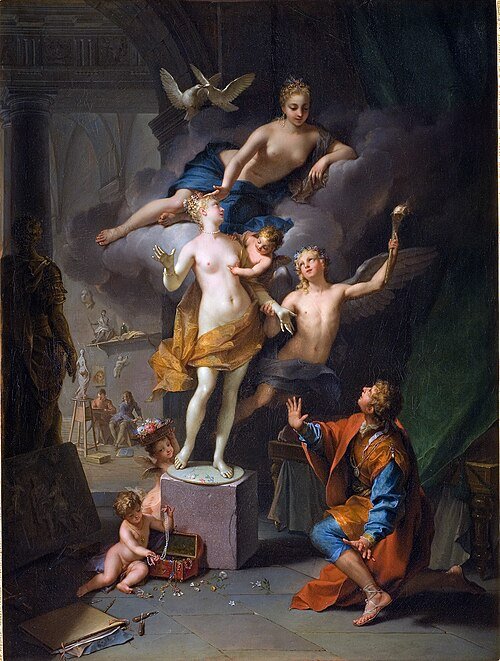
Long before modern clinical definitions, stories of attraction to statues appear in classical literature and lore:
- Pygmalion Myth: One of the most enduring tales is that of Pygmalion—a mythological sculptor who fell in love with a statue he carved. In the story (recorded by Ovid), the goddess of love brings the statue to life in response to his devotion. Jahsonic
- Early Anecdotes: Ancient authors also recounted other tales and anecdotes of individuals drawn to images and statuary in erotic or affectionate ways. Classics for All
These narratives illustrate that humans have long imagined emotional and physical connections with created figures, sometimes blurring the line between art, desire, and myth.
Modern Clinical History
In 19th-century sexology, agalmatophilia entered scientific literature:
- German psychiatrist Richard von Krafft-Ebing described cases in Psychopathia Sexualis that involved individuals showing intense attraction to sculptures or trying to engage in sexual acts with them. Wikipedia
- Later writers in sexology and psychology continued to catalogue and discuss similar phenomena, placing them within broader studies of human sexual variation.
🧠 Psychological Interpretations
Modern viewpoints vary in how they frame agalmatophilia—from clinical paraphilia to one expression of human erotic diversity:
Psychological Features
People with agalmatophilia may:
- Become aroused by aesthetic qualities of statues, dolls, or mannequins. WikiMD
- Fantasize about sexual or romantic interaction with the inanimate figures. Wikipedia
- Experience arousal from thoughts of transformation—either imagining the object coming to life or themselves becoming a statue-like figure. Psychology Today
- Engage in role-play involving immobility or static postures. Psychology Today
These experiences overlap with broader concepts such as object sexuality, transformation fantasies, or even elements of robot/object fetishism when animated figures or robots are involved. Psychology Today

Why Does This Happen?
There is no single agreed-upon cause. Some frameworks propose:
- Attachment to idealized or “perfect” forms, unchanging and controllable.
- Fantasy and safety: an erotic focus that avoids complexities of human relationships.
- Neutral or positive emotional response to human-like figures due to cultural or personal influences.
Clinical literature tends to treat agalmatophilia like other rare paraphilias—important to understand but not inherently pathological unless it causes distress or impairment.

🔄 Overlaps With Other Fetishes
Agalmatophilia intersects with several related interests:
- Doll fetishism: attraction specifically to dolls or doll-like objects. This is often considered a form of agalmatophilia. Wikipedia
- Robot/Android fetishism: attraction to humanoid robots or android figures. Psychology Today
- Transformation fantasies: erotic interest in becoming (or turning others into) static or artificial figures. Psychology Today
- General object sexuality: a broader category that includes emotional or romantic attachment to objects. Psychology Today
While these can overlap, each has its own focal nuances.
🎭 Cultural Presence and Media References
Myth and Literature
- Pygmalion remains the most influential reference, inspiring countless re-tellings in literature, theater, and art emphasizing idealization and transformation. Jahsonic
- Works throughout history have used statue love themes to explore desire, creativity, and the boundary between life and art.
Film and Visual Arts
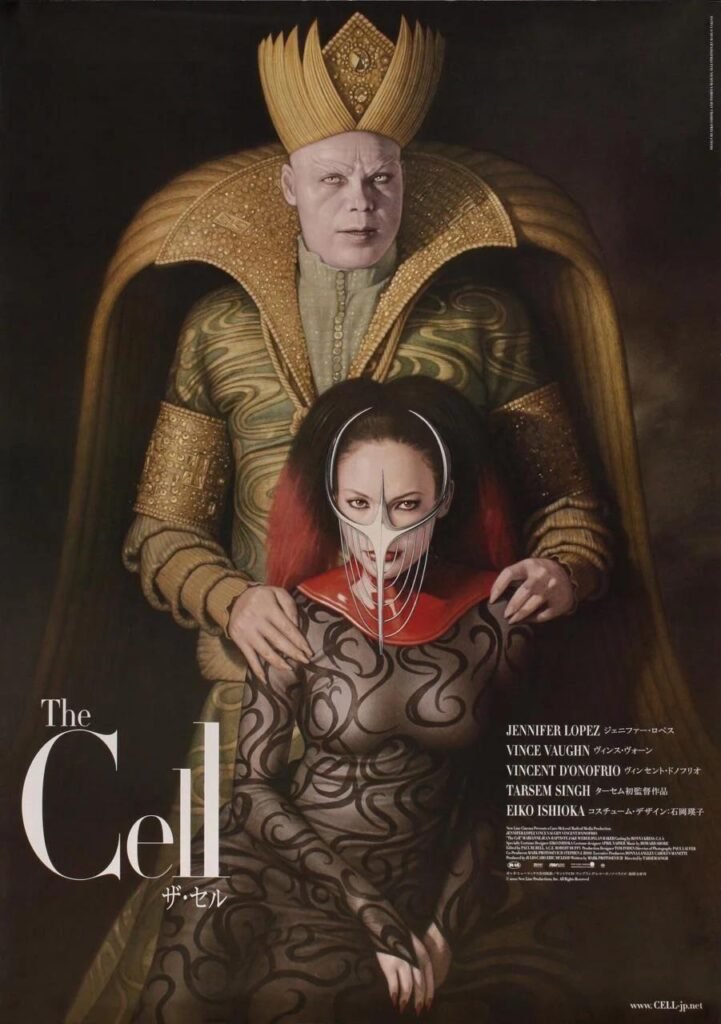
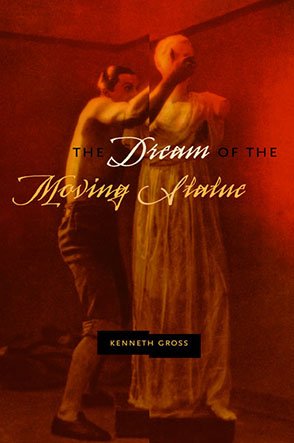
Though not always labeled as agalmatophilia outright, some films and artistic works feature eroticized interactions with inanimate figures, mannequins, or dolls as symbolic or narrative devices. These appearances vary widely—from surreal to psychological explorations—which show how imagery of human replicas continues to resonate in popular storytelling. Academic Dictionaries and Encyclopedias
Contemporary Culture
In modern discussions about sexuality and fantasy, agalmatophilia occasionally appears in:
- Media explorations of sex doll culture and its implications for human relationships.
- Discussions about androids and AI companions in science fiction.
- Academic discourse on the human impulse to project emotion or desire onto art and artificial forms.
Such references can reflect broader cultural anxieties and fascinations about what counts as “alive” or desirable.
📚 Summary
Agalmatophilia is a term rooted in Greek that names a sexual or erotic attraction to statues and similar figures. It appears in ancient myths, was classified in 19th-century sexology, and exists today as part of the broader landscape of human sexual diversity. While clinically categorized as a paraphilia, many modern perspectives see it as one of many ways humans can form erotic and emotional connections with representations of the human form.
Key themes include:
- Attraction to static or human-like objects. WikiMD
- Fantasies around animation or transformation. Psychology Today
- Cultural echoes in myth, art, and media. Jahsonic
- Overlap with related interests like doll, robot, or object sexuality. Psychology Today
📌 Sources & Suggested Reading
- Wikipedia: Agalmatophilia overview and history. Wikipedia
- WikiMD entry on agalmatophilia. WikiMD
- Psychology Today discussion of object attraction and transformations. Psychology Today
- Historical and mythological context via Pygmalion links. Jahsonic
Do you want to explore this topic in a private virtual session? Contact me or fill out the Slave Application.
Did you enjoy this article? Donate to the cause via Tribute (Send Money).
Feel free to leave your thoughts in the comment section of this post.
Article Bdsm BDSM community BDSM education BDSM lifestyle Expose Femdom femdom finance femdom financial control Fetish fetish community fetish culture fetish gear fetish psychology financial control financial control fetish Financial Domination financial domination online financial domination psychology financial domination techniques financial submission financial submissive financial tribute Findom Findomme Foot Fetish money domination Money slave money worship online financial domination Paypig paypig community paypig demands paypig lifestyle paypig rituals paypig tribute power exchange Promo S&m Smoking fetish Social submission Video Video clip Youtube
Subscribe to My Newsletter!
Get new content updates every week...or when I feel like sending one!