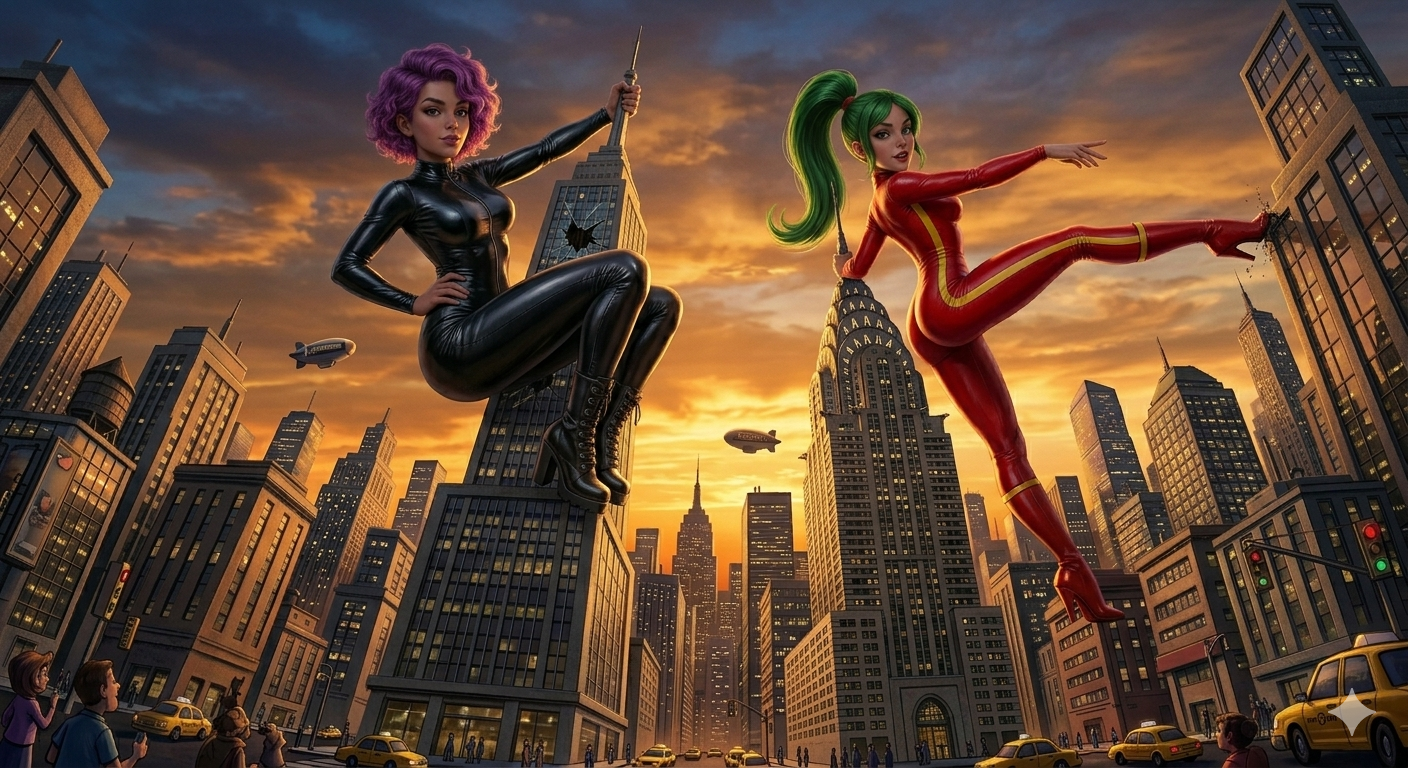
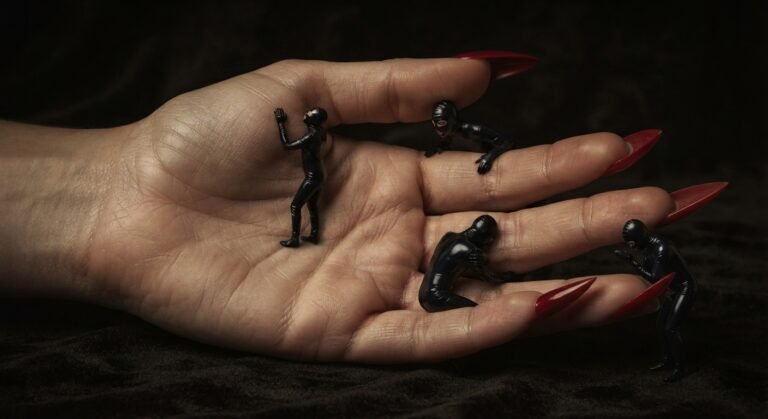
The fetish commonly referred to as “giantess” is most often discussed under the broader term macrophilia: attraction to beings who are dramatically larger than oneself. In practice, giantess-focused fantasies usually involve women of impossible or exaggerated scale—towering over cities, holding tiny people in their hands, shrinking partners through fantasy scenarios, or interacting with miniature environments. While often sexualized, the appeal can also involve awe, comfort, surrender, spectacle, vulnerability, or power imbalance rather than explicit sexuality alone. (en.wikipedia.org)
Terminology and Core Concepts
The term macrophilia comes from Greek roots meaning “love of largeness.” Online communities also use abbreviations like “GTS” (“giantess”) or “macro.” A related term, microphilia, refers to attraction to miniature or tiny figures. (en.wikipedia.org)
Within giantess-oriented fantasy, there are several recurring subgenres:
- Scale domination — emphasis on overwhelming physical size and helplessness.
- Gentle giantess — nurturing or protective giant characters rather than destructive ones.
- Crushing/trampling — fantasies centered on vulnerability beneath an enormous figure.
- Shrink scenarios — characters reduced to tiny size through science fiction or magical premises.
- POV fantasy — perspective-based imagery making the viewer appear miniature.
- City destruction or environmental scale play — inspired partly by monster cinema and disaster imagery.
- Amazonian fantasy — attraction to very tall, powerful women without literal giantism.
Importantly, not everyone interested in giantess imagery is interested in violence or humiliation. The fantasy spectrum ranges from affectionate caretaking scenarios to extreme domination fantasies. (fetish.com)
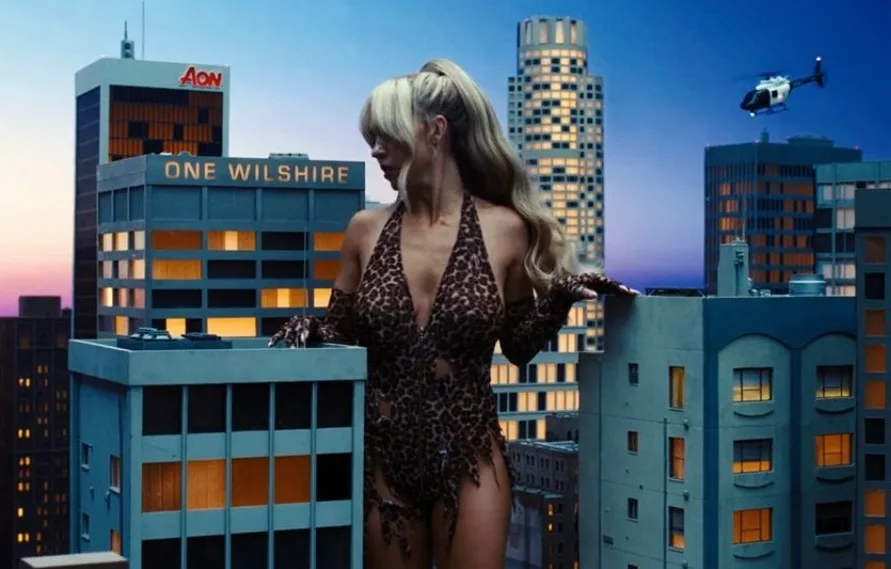
Historical and Mythological Roots
The giantess fantasy did not emerge from modern internet culture alone. It draws from a long history of myths, folklore, and literature involving enormous female figures.
Ancient Mythology
Many cultures included stories of giant women or superhuman female beings:
- In Greek mythology, the Amazons represented powerful warrior women outside ordinary male social structures.
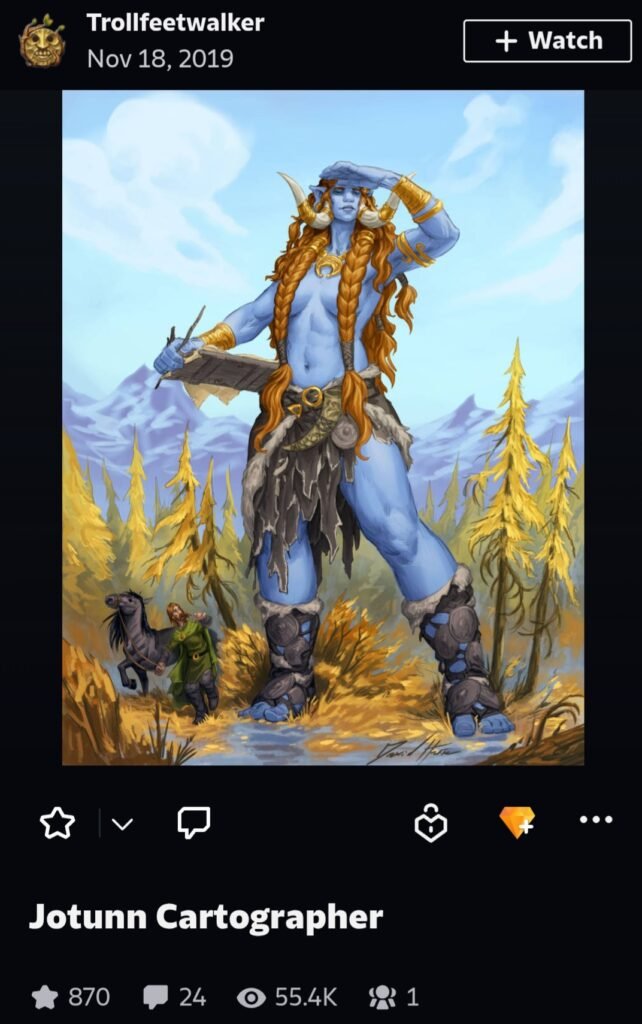
- Norse mythology included giantesses called jötnar, figures associated with chaos, nature, beauty, or danger.
- Medieval folklore often depicted giants as physically overwhelming beings who blurred fear and fascination.
These stories established recurring themes still visible today: power imbalance, physical awe, danger, eroticized scale, and fascination with physically dominant women. (en.wikipedia.org)
Early Literature
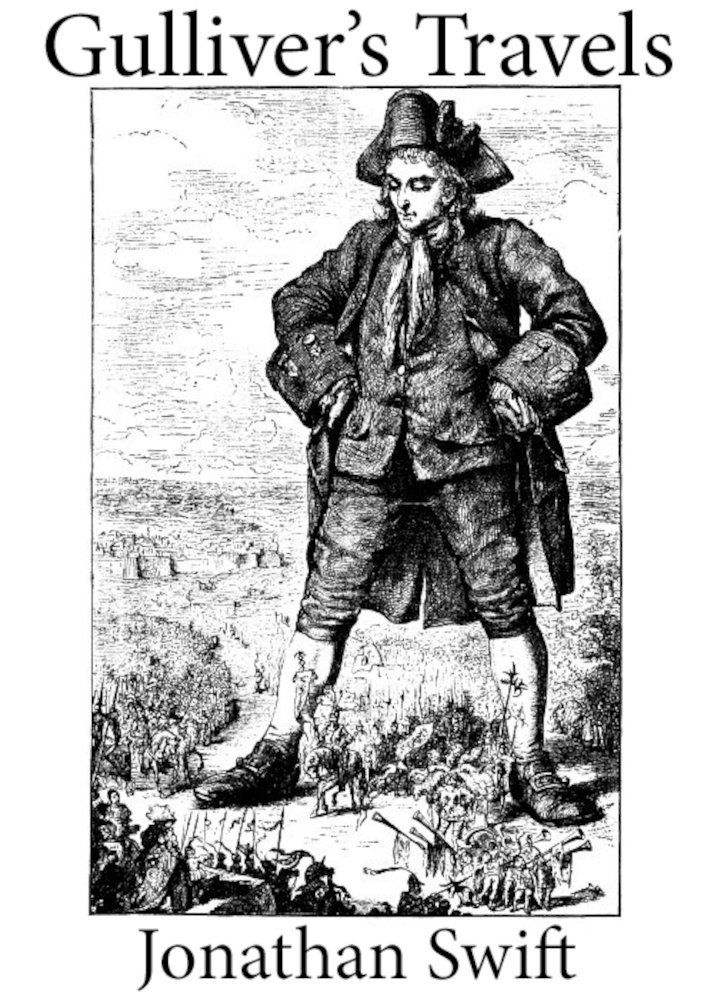
One of the most important literary influences is Gulliver’s Travels by Jonathan Swift (1726). The novel alternates between tiny and giant societies, especially the land of Brobdingnag, where Gulliver becomes miniature relative to giant humans. Scholars and online macro communities frequently identify the book as a foundational influence on size-difference fantasy. (knowyourmeme.com)
Victorian and pulp fiction later expanded these ideas through stories involving shrinking rays, giant women, and scientific transformation.
The Rise of Modern Giantess Media
The fetish became more recognizable in the 20th century due to film, comics, and special effects.
Mid-20th Century Cinema
A defining cultural reference is Attack of the 50 Foot Woman, which cemented the visual language of the giantess fantasy in popular culture. The film combined science fiction, spectacle, fear, and erotic imagery into a single iconic image: an enormous woman towering over ordinary society. (knowyourmeme.com)

Other films and media explored similar themes:
- Honey, I Shrunk the Kids
- The Incredible Shrinking Man
- Japanese kaiju cinema such as Godzilla
- Comic-book heroines capable of size manipulation
These works were not necessarily intended as fetish media, but they strongly shaped fantasy imagery surrounding scale and vulnerability.
Anime, Comics, and Digital Art
Japanese anime and manga communities contributed heavily to modern macro aesthetics, especially through transformation stories, magical growth, giant heroines, and exaggerated perspective art.
By the late 1990s and early 2000s, digital illustration software and online forums allowed giantess creators to produce increasingly sophisticated artwork, animations, and stories. Forced-perspective photography and later CGI made giantess imagery more accessible and visually convincing. (en.wikipedia.org)

Psychological Interpretations
There is relatively little formal academic literature specifically focused on giantess fetishism compared with more extensively studied sexual interests. Most explanations remain theoretical rather than definitive.
However, several recurring interpretations appear in sexology, psychology commentary, and self-reports from participants.
Power and Submission
One of the most common interpretations centers on asymmetrical power. A giantess represents absolute physical superiority: she is impossible to resist, overpower, or ignore.
Researchers and commentators often connect the fantasy to:
- surrender of control,
- relief from responsibility,
- vulnerability,
- humiliation or awe,
- or fascination with overwhelming feminine power. (menshealth.com)
Some writers suggest this may invert conventional gender expectations by placing men into physically vulnerable roles.
Regression and Comfort
Not all giantess fantasies are aggressive. Many involve themes of caretaking, being held, protected, carried, or comforted by an immense figure. In these cases, the fantasy can resemble emotional regression, maternal symbolism, or idealized safety.
This duality—fear and comfort at once—is common in giantess narratives.
Spectacle and Scale Fascination
Some people report that the appeal is not primarily sexual but aesthetic or emotional: fascination with impossible scale, miniature environments, architectural destruction, or exaggerated perspective. Community discussions frequently distinguish between:
- erotic giantess interests,
- nonsexual macro fascination,
- and general attraction to tallness or physical scale. (reddit.com)
Fantasy as Psychological Distance
Because literal giants do not exist, some theorists argue the fantasy creates emotional distance from ordinary interpersonal anxieties. The impossible scale turns domination into fantasy spectacle rather than realistic social interaction. (menshealth.com)
Overlap With Other Fetishes and Interests
Giantess fantasies often intersect with other fetish categories, though not universally.
Common overlaps include:
- Femdom (female domination) — due to power imbalance.
- Foot fetishism — especially trampling or giant feet imagery.
- Vore fantasies — rooted partly in folklore about giants consuming humans.
- Crush fetishism — destruction under immense scale.
- Bondage and helplessness — inability to resist a giant figure.
- Muscle worship or Amazonian attraction — emphasis on powerful female bodies.
- Transformation fetishes — shrinking, growing, or body alteration.
- Voyeuristic scale play — observing giant bodies from miniature perspectives. (fetish.com)
Despite these overlaps, many participants draw sharp distinctions between subgenres. Someone interested in giantess fantasy may dislike destruction, vore, or humiliation content entirely.
Internet Culture and Community Formation
The internet dramatically expanded the visibility of giantess communities.
Before widespread internet access, enthusiasts were often isolated and relied on niche comics, underground magazines, science fiction, or rare film scenes. By the late 1990s, dedicated forums and archives allowed users to share:
- fiction,
- photo manipulations,
- digital art,
- roleplay,
- animations,
- and custom videos. (knowyourmeme.com)
Digital tools also transformed production methods:
- forced perspective photography,
- compositing software,
- 3D rendering,
- AI-assisted image generation,
- and VR environments have all expanded giantess media. (fetish.com)
Virtual reality in particular has become important because the fantasy depends heavily on perspective and perceived scale.
Mainstream Visibility and Pop Culture
Over the past decade, giantess imagery has become more visible in mainstream internet culture.
Social Media and Visual Trends
Short-form video platforms popularized perspective tricks that simulate giant scale. Many creators unintentionally appeal to giantess audiences through:
- towering camera angles,
- stepping-over-camera shots,
- exaggerated footwear imagery,
- or “tiny POV” visual effects. (cosmopolitan.com)
This visibility has made the fetish less obscure than it once was.
Data Trends
Reports from adult-industry analytics have repeatedly shown dramatic increases in searches related to “giantess” or macrophilia. One widely cited statistic came from Pornhub’s 2015 analytics report, which noted giantess as one of the year’s fastest-growing search trends. (en.wikipedia.org)
Industry reporting in recent years has suggested continued growth in giantess-themed content creation and custom video production. (nypost.com)
Do you want to explore this topic further in a private virtual session? Contact me or fill out the Slave Application.
Did you enjoy this article? Donate to the cause via Tribute (Send Money).
Feel free to leave your thoughts in the comment section of this post.
Subscribe to My Newsletter!
Get new content updates every week...or when I feel like sending one!





















Came in tired from a long day and the writing held my attention anyway, content that can engage a fatigued reader is doing something right because most online reading happens in suboptimal conditions like that one and quality content adapts to it without complaint.