Definition and Terminology
Disability fetishism, also known as devoteeism, refers to a sexual or romantic attraction toward individuals with physical disabilities. This can include people with mobility impairments, amputations, paralysis, limb differences, or those who use assistive devices like wheelchairs, crutches, leg braces, prosthetics, and orthotics.
Key terms used in this space include:
- Devotee: A person who is sexually or emotionally attracted to people with disabilities.
- Pretender: Someone who pretends to have a disability, often for sexual gratification or identity exploration.
- Wannabe: A person who desires to become disabled themselves, sometimes overlapping with apotemnophilia or body integrity dysphoria (BID).
- Stump fetishist: A person attracted specifically to residual limbs (amputee stumps).
- Paraphilia: A term used in psychology to describe atypical sexual interests; disability fetishism may fall under this category depending on its intensity and impact.
It’s crucial to differentiate between a fetish and a preference or identity-based attraction. Not all people attracted to disabled individuals are fetishists, and not all disabled people welcome being eroticized.
Historical Context and Origins
Historically, disability and sexuality were rarely discussed together. In many cultures, people with disabilities were wrongly presumed to be non-sexual or sexually passive. These assumptions marginalized disabled individuals and rendered them invisible in broader sexual discourse.
References to disability-related arousal are sparse in pre-modern literature, likely due to both the taboo nature of sexuality and the historical tendency to hide or institutionalize disabled individuals. However, sexual fascination with bodily difference is not new. In 18th and 19th-century medical literature and erotic photography, occasional images and stories featured disabled bodies—especially amputees—as objects of fascination or exoticism.
The term “devotee” began circulating more widely in the 20th century, especially from the 1970s onward, when underground zines and niche classifieds allowed people with such attractions to connect. With the rise of the internet in the 1990s and early 2000s, online communities and specialized media brought greater visibility—alongside increased controversy and ethical debate.
Psychological Perspectives
The psychological roots of disability fetishism are diverse and still not fully understood. Some key theories include:
1. Eroticization of Difference
People are often attracted to what stands out. The presence of a disability—whether a prosthetic limb, a wheelchair, or the unique movement of a person—may stimulate sexual interest due to its rarity or visual distinctiveness.
2. Caretaking and Control Dynamics
Some devotees are drawn to the idea of caretaking, seeing themselves as protectors or providers. Others may be interested in dominance or control, especially in scenarios where a partner is perceived as physically vulnerable or dependent.
3. Taboo and Forbidden Desire
Because society has long labeled sexuality and disability as incompatible, the combination of the two may carry taboo appeal. For some, transgressing this boundary heightens arousal.
4. Psychosexual Development and Imprinting
As with many fetishes, early-life experiences—whether involving caregiving, hospital visits, or exposure to disability—may influence adult attractions. These impressions can solidify into patterns of arousal over time.
5. Projection or Identity
Some pretenders or wannabes report a strong emotional identification with disability. Their arousal may stem from imagining themselves as disabled, aligning this with broader identity, aesthetic, or existential feelings.
Overlap with Other Fetishes
Disability fetishism frequently overlaps with other paraphilias or kink interests:
- Medical fetishism: Many devotees are also drawn to braces, wheelchairs, or hospital-like settings.
- Amputee fetishism (acrotomophilia): A more specific form of disability fetishism, focusing on limb loss or prosthetics.
- BDSM and power dynamics: Elements of vulnerability, restriction, or care may tie into dominant/submissive dynamics.
- Abasiophilia: A term referring to sexual attraction to those who use mobility aids.
- Transformation fetishes: Some people fetishize the process of “becoming disabled” or losing physical function, similar to apotemnophilia.
Modern Representation and Cultural Impact
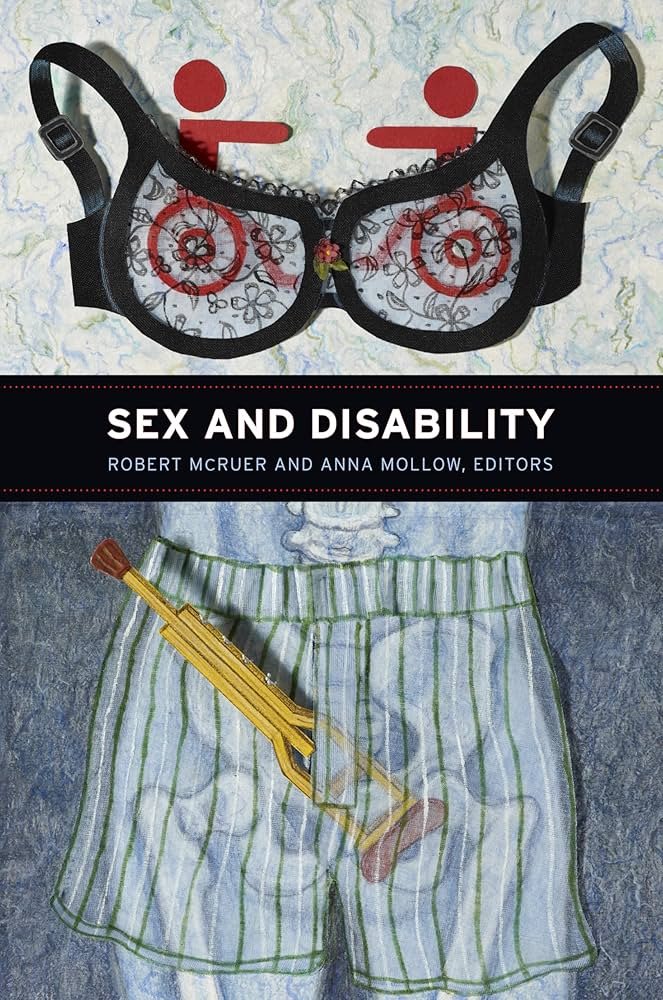
In modern times, disability fetishism has generated both increased visibility and heightened debate. As disabled voices grow louder in public discourse, more people are questioning the ethics, impact, and power dynamics of being fetishized.
Positive Impact
- Empowerment and body acceptance: Some disabled individuals reclaim sexual agency by embracing their desirability, participating in erotic art, or advocating for inclusive porn and media.
- Representation in adult content: Some porn sites and studios feature disabled performers who choose to present themselves erotically on their own terms, challenging harmful taboos.
Negative Impact
- Objectification: Many disabled people feel reduced to their condition by devotees who view them as fetish objects rather than full individuals.
- Consent violations: Non-consensual attention, photos, or fantasies can feel dehumanizing and invasive.
- Fake identities: Some devotees pose as disabled people online (“pretending”) to fulfill fantasies, damaging trust and community safety.
Mainstream articles from platforms like Vice, The Guardian, The Atlantic, and BuzzFeed have explored the topic from multiple angles, showcasing voices of both devotees and disabled individuals—with varying perspectives on the ethical implications.
Controversies and Ethical Considerations
Disability fetishism lies at the intersection of sexual freedom and social justice, and raises difficult questions:
- Is it OK to fetishize a marginalized identity?
- Can desire coexist with respect and equality?
- What distinguishes healthy attraction from objectification?
Many disability rights activists argue that desire must be rooted in authentic connection, mutual consent, and person-first values. That means:
- Seeing disabled people as whole individuals, not just a collection of body parts or medical equipment.
- Being open and honest about one’s attractions without imposing them on unwilling parties.
- Listening to the lived experiences of disabled people and honoring their agency.
Disability, Sexuality, and Inclusion
Importantly, disabled people themselves are not monolithic in their responses. Some welcome being desired and feel empowered by it, while others find fetishistic attention dehumanizing.
Disability studies scholars and sex educators increasingly push for a sex-positive but consent-focused approach, recognizing that everyone—including disabled individuals—has the right to erotic expression, desire, and boundaries.
Organizations like The Sexual Health and Disability Alliance (SHADA) and The Center for Sexual Pleasure and Health (CSPH) advocate for education around disabled sexuality, emphasizing pleasure, autonomy, and inclusion rather than stigma or taboo.
Conclusion
Disability fetishism is a multifaceted phenomenon that reveals much about society’s complex attitudes toward difference, vulnerability, and desire. While attraction to disability is not inherently unethical, it exists within a social and cultural framework that demands respect and ongoing conversation.
At its best, such attraction can contribute to body diversity and sexual inclusion. At its worst, it risks reinforcing stereotypes and reducing people to their impairments.
For those navigating these dynamics—whether as devotees, disabled individuals, or partners—the key lies in transparency, empathy, and ethical engagement.
Do you want explore this fetish further in a private virtual session? Contact me or fill out the Slave Application.
Did you enjoy this article? Donate to the cause via Tribute (Send Money).
Feel free to leave your thoughts in the comment section of this post.
Article Bdsm BDSM community BDSM education BDSM lifestyle Expose Femdom femdom finance femdom financial control Fetish fetish community fetish culture fetish gear fetish psychology financial control financial control fetish Financial Domination financial domination online financial domination psychology financial domination techniques financial submission financial submissive financial tribute Findom Findomme Foot Fetish money domination Money slave money worship online financial domination Paypig paypig community paypig demands paypig lifestyle paypig rituals paypig tribute power exchange Promo S&m Smoking fetish Social submission Video Video clip Youtube
Subscribe to My Newsletter!
Get new content updates every week...or when I feel like sending one!