Introduction
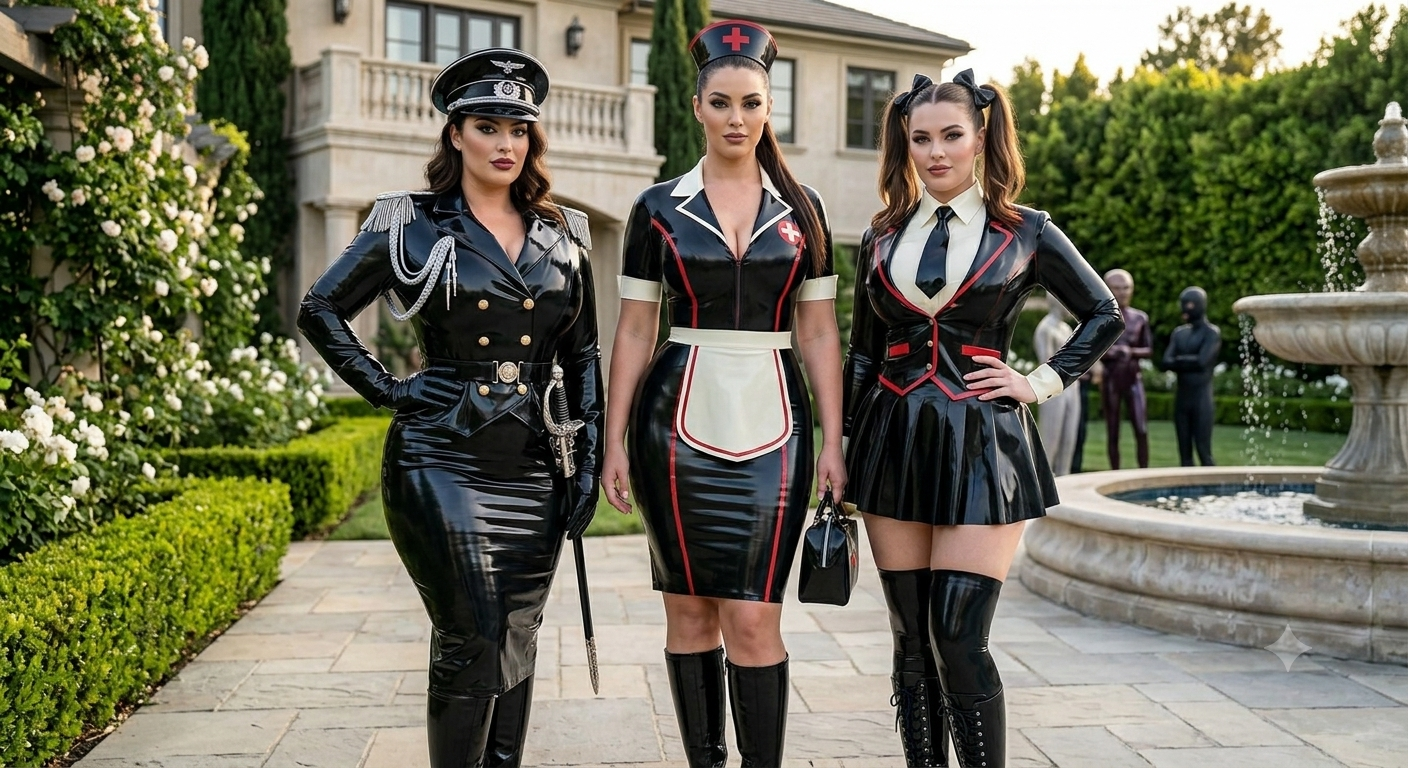
Uniform fetishism refers to a sexual, romantic, or aesthetic attraction to people wearing specific uniforms, or to the uniforms themselves. The attraction may focus on military attire, police uniforms, medical clothing, airline uniforms, school uniforms, religious garments, occupational workwear, ceremonial dress, or other forms of standardized clothing associated with particular roles, institutions, or social identities.
Unlike attractions centered primarily on specific body parts or materials, uniform fetishism is often deeply connected to symbolism. Uniforms communicate authority, expertise, status, discipline, service, hierarchy, belonging, professionalism, and identity. As a result, the fetish frequently involves both visual appeal and psychological associations.
Historical Origins
Ancient Foundations
While the modern concept of a “uniform” is relatively recent, clothing that signified rank, profession, or social role has existed for thousands of years.
Ancient societies such as:
- Ancient Egypt
- Ancient Rome
- Ancient Greece
used distinctive clothing, armor, insignia, and ceremonial garments to indicate military rank, priesthood, political office, or elite social status.
Historical records suggest that specialized clothing often carried strong symbolic and emotional significance. Although there is little direct evidence discussing sexual attraction to uniforms in ancient texts, admiration for military dress, armor, and status-marking attire appears repeatedly in art, literature, and mythology.
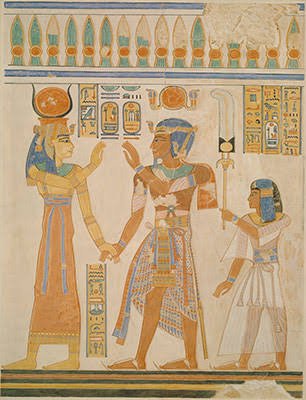
New Kingdom, Ramesside
Nina de Garis Davies
Original ca. 1184–1153 B.C.
The underlying elements that later became associated with uniform fetishism—authority, prestige, discipline, and idealized roles—were already present.
Rise of Modern Uniforms
Modern uniform fetishism largely developed alongside the emergence of professional uniforms during the 17th–19th centuries.
Key developments included:
- Standardized military uniforms in European armies
- Professional police forces
- Modern nursing and medical uniforms
- School uniforms
- Railway, maritime, and aviation uniforms
Uniforms became increasingly visible symbols of institutional authority and social order.
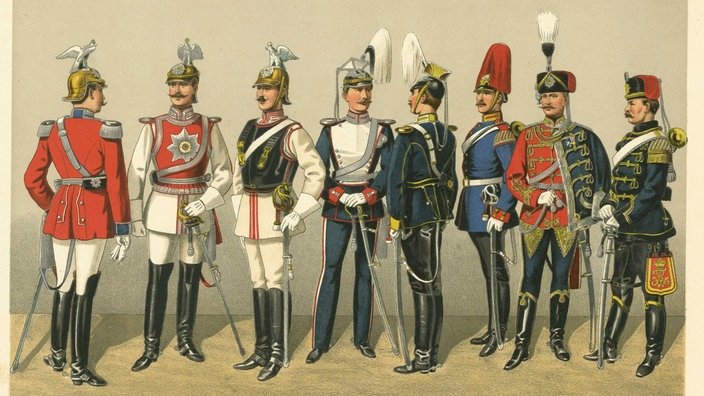
Historians of dress note that military uniforms in particular became highly stylized during the 18th and 19th centuries, emphasizing:
- Physical fitness
- Masculinity
- National identity
- Heroism
- Discipline
These associations likely contributed to their eroticization in later periods.
Terminology
Several terms are associated with uniform-related attraction.
Uniform Fetishism
The broadest term, referring to attraction involving uniforms themselves.
Uniform Partialism
Some researchers have described certain forms of attraction as a type of partialism, meaning attraction focused on a particular aspect of appearance rather than the whole person.
Military Fetishism
Attraction specifically centered on military attire, rank insignia, combat gear, or ceremonial dress.
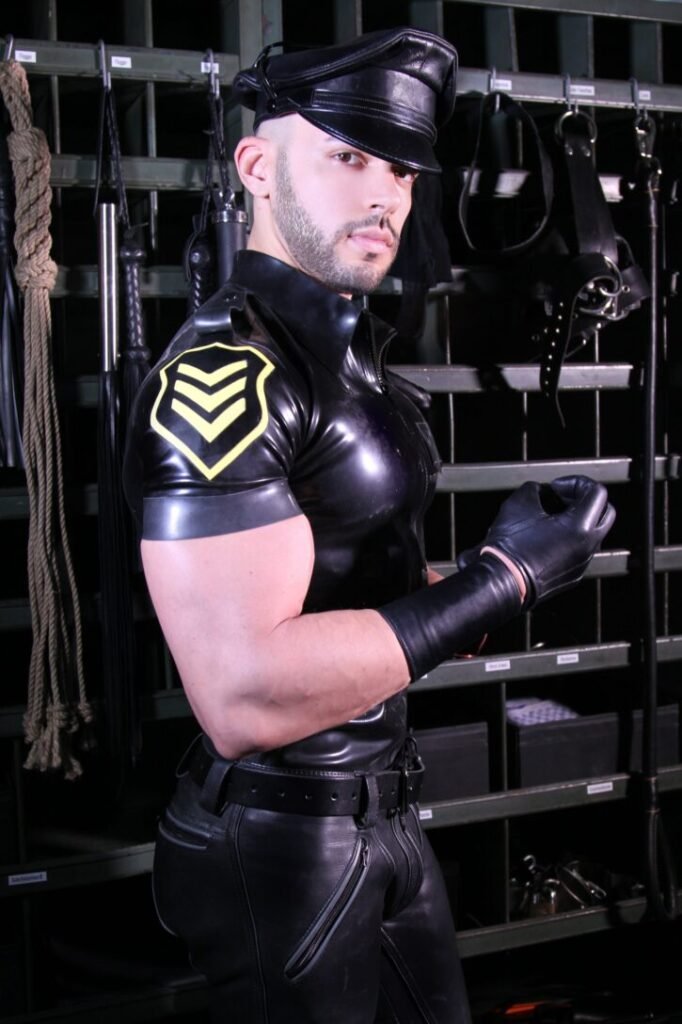
Authority-Role Fantasy
A related concept used in psychology and sexology literature. Here the attraction may focus less on the garment itself and more on the social role represented by the uniform.
Occupational Role Play
A common expression of the fetish involving imagined or enacted professional roles such as:
- Officer
- Soldier
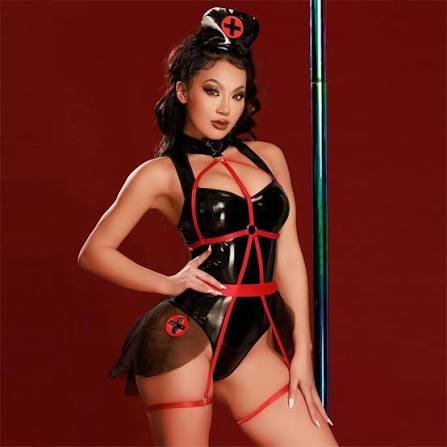
- Doctor
- Nurse
- Pilot
- Firefighter
- Teacher
In these cases, the uniform often serves as a visual cue supporting the role being portrayed.

Psychological Interpretations
Researchers have proposed multiple explanations for uniform fetishism. No single theory fully explains all cases.
Symbolic Authority
One of the most common interpretations is that uniforms symbolize authority and competence.
Uniforms frequently communicate:
- Leadership
- Responsibility
- Expertise
- Confidence
- Social importance
For some individuals, attraction may arise from these symbolic qualities rather than from the clothing itself.
Status and Prestige
Uniforms often indicate elevated social standing or specialized skills.
Examples include:
- Military officers
- Physicians
- Airline captains
- Ceremonial guards
Psychologists have suggested that attraction to status markers may contribute to the appeal of uniforms, much as people may be attracted to confidence, success, or leadership qualities.
Conditioning and Associative Learning
Some sexologists have proposed that attraction can develop through associative learning.
For example:
- Early experiences involving admiration of authority figures
- Positive emotional reactions to people in uniform
- Exposure to idealized media portrayals
Over time, the uniform itself may become a trigger for attraction.
This explanation aligns with broader learning theories used in discussions of sexual interests.
Identity and Transformation
Uniforms can dramatically alter perception.
A person wearing a uniform may appear:
- More disciplined
- More confident
- More powerful
- More competent
- More mysterious
The transformation itself may be appealing. In some cases, the attraction focuses on the change in identity that the uniform represents rather than on the clothing alone.
Structure and Order
Some scholars have noted that uniforms symbolize predictability, order, and institutional structure.
The visual consistency of uniforms may create a sense of stability or clarity that some individuals find psychologically appealing.
Overlap with Other Fetishes and Interests
Uniform fetishism frequently overlaps with other attractions.
Authority and Power Dynamics
One of the strongest overlaps involves authority-oriented fantasies.
Examples may include:
- Military command structures
- Law enforcement authority
- Educational hierarchies
- Medical expertise
The attraction may involve the social meaning of authority rather than the garment itself.
Clothing Fetishes
Uniform fetishism often intersects with attractions involving:
- Leather
- Latex
- Boots
- Gloves
- Formal dress clothing

In such cases, both the material and the symbolic role may contribute to attraction.
Military Fetishes
Military uniforms represent one of the most widely documented forms of uniform fetishism.
Attraction may involve:
- Dress uniforms
- Medals
- Rank insignia
- Ceremonial attire
- Historical military clothing
Researchers frequently discuss military-themed attraction as a specialized subset of uniform fetishism.
Medical Uniform Attraction
Medical attire—including scrubs, lab coats, and historical nursing uniforms—has long appeared in fantasy and popular culture.
This attraction may relate to associations with:
- Caregiving
- Expertise
- Trust
- Professional competence
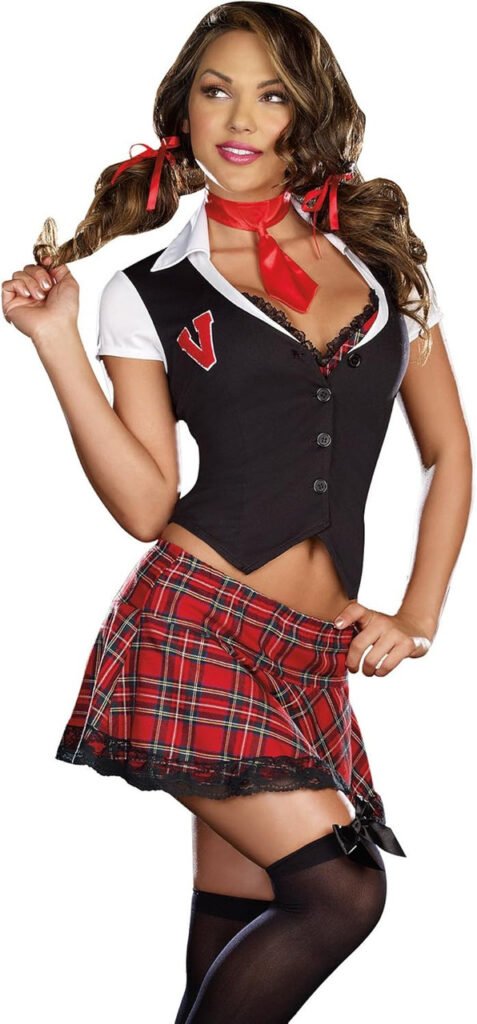
School Uniform Attraction
School uniforms occupy a complex cultural space because they carry different meanings across societies.
In some countries they are viewed primarily as ordinary educational attire. In others, they have become highly stylized symbols in fashion, entertainment, and fantasy media.
Researchers often emphasize that discussions of school-uniform-related attraction in adult contexts are distinct from any attraction to minors.
Cultural and Social Impact
Fashion
Uniform-inspired clothing has repeatedly influenced mainstream fashion.
Examples include:
- Military jackets
- Naval coats
- Pilot sunglasses
- Riding boots
- Structured tailoring
Fashion designers have frequently borrowed uniform aesthetics because they convey strength, professionalism, and elegance.
Notable examples include the influence of military tailoring on collections by Yves Saint Laurent and Jean Paul Gaultier.
Advertising
Advertisers have long used uniforms to evoke:
- Trust
- Competence
- Reliability
- Heroism
- Professionalism
Commercial imagery often draws on the same symbolic associations that contribute to uniform fetishism.
LGBTQ+ History
Uniform imagery has played a notable role in certain LGBTQ+ subcultures, particularly after the mid-20th century.
Military, police, sailor, and biker aesthetics became visual symbols of masculinity, strength, and identity in some communities.
Scholars studying sexuality and visual culture have examined how these aesthetics influenced community formation, fashion, and artistic expression.
Uniform Fetishism in Film, Television, and Popular Culture
Uniforms are among the most recognizable visual shortcuts used in storytelling.
They instantly communicate:
- Character roles
- Social status
- Personality traits
- Institutional affiliations
As a result, they frequently appear in media with romantic or sexual undertones.
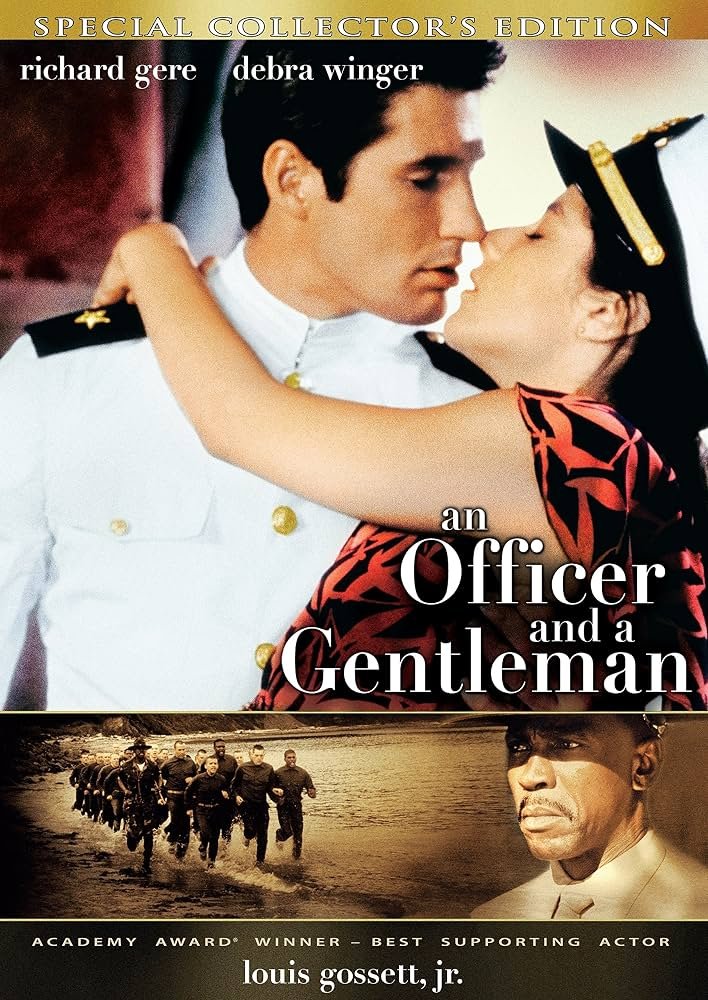
Film
Examples include:
- Top Gun
- An Officer and a Gentleman
- Pearl Harbor
These films helped reinforce the cultural association between military uniforms and attractiveness.
Television
Television has frequently used uniforms to create iconic character images.
Examples include:
- Star Trek
- MAS*H
- Grey’s Anatomy
In each case, uniforms visually reinforce competence, expertise, and group identity.
Music and Performance
Musicians have often incorporated military or occupational uniforms into stage performances.
Examples include:
- Madonna
- Michael Jackson
- Beyoncé
Uniform-inspired costumes can project power, precision, and authority.
Anime, Manga, and Gaming
Japanese popular culture has had a significant influence on the global visibility of uniform-themed aesthetics.
School uniforms, military uniforms, and fantasy-service uniforms frequently appear in:
- Anime
- Manga
- Video games
- Cosplay
Examples include:
- Sailor Moon
- Persona 5
- Attack on Titan
These works often use uniforms as visual symbols of belonging, discipline, and group identity.

Academic Perspectives
Modern sexology generally treats uniform fetishism as one of many appearance- or symbolism-based erotic interests.
Researchers typically note that its appeal can involve multiple overlapping factors:
- Visual aesthetics
- Symbolic authority
- Status signaling
- Professional competence
- Role-based fantasy
- Identity transformation
- Cultural conditioning
Rather than being explained by a single cause, uniform fetishism is often understood as a combination of personal experiences, cultural meanings, and psychological associations.
Further Reading and Sources
For readers interested in academic and historical perspectives:
- American Psychological Association (APA)
- The Kinsey Institute
- Society for the Scientific Study of Sexuality (SSSS)
- The British Psychological Society
Relevant scholarly works include:
- Three Essays on the Theory of Sexuality by Sigmund Freud
- Sexual Deviance edited by John Bancroft
- Research publications from the Kinsey Institute and the Society for the Scientific Study of Sexuality
In contemporary culture, uniform fetishism remains one of the most recognizable appearance-based erotic interests, shaped by centuries of symbolism surrounding authority, service, identity, professionalism, and social roles.
Do you want to explore this topic in a private virtual session? Contact me or fill out the Slave Application.
Did you enjoy this article? Donate to the cause via Tribute (Send Money).
Feel free to leave your thoughts in the comment section of this post.
Article Bdsm BDSM community BDSM education BDSM lifestyle Expose Femdom femdom finance femdom financial control Fetish fetish community fetish culture fetish gear fetish psychology financial control financial control fetish Financial Domination financial domination online financial domination psychology financial domination techniques financial submission financial submissive financial tribute Findom Findomme Foot Fetish money domination Money slave money worship online financial domination Paypig paypig community paypig demands paypig lifestyle paypig rituals paypig tribute power exchange Promo S&m Smoking fetish Social submission Video Video clip Youtube
Subscribe to My Newsletter!
Get new content updates every week...or when I feel like sending one!