An in-depth look at enema-related fetishism (often termed klismaphilia): the long medical and ritual history of enemas, the emergence of erotic meaning around them, and how modern culture has absorbed and represented that association.
1. Historical foundations: from medicine to ritual
Ancient and early medical use
Enemas are among the oldest recorded medical interventions. Evidence appears in Mesopotamian and Egyptian sources as early as the first millennium BCE, and possibly earlier. enema use is documented in Babylonian tablets and described in Greco-Roman medicine by figures like Celsus. (JAMA Network)

Ancient Egypt institutionalized the practice to an unusual degree: specialized practitioners administered enemas, and mythology even credited their invention to the god Thoth. (Wikipedia)
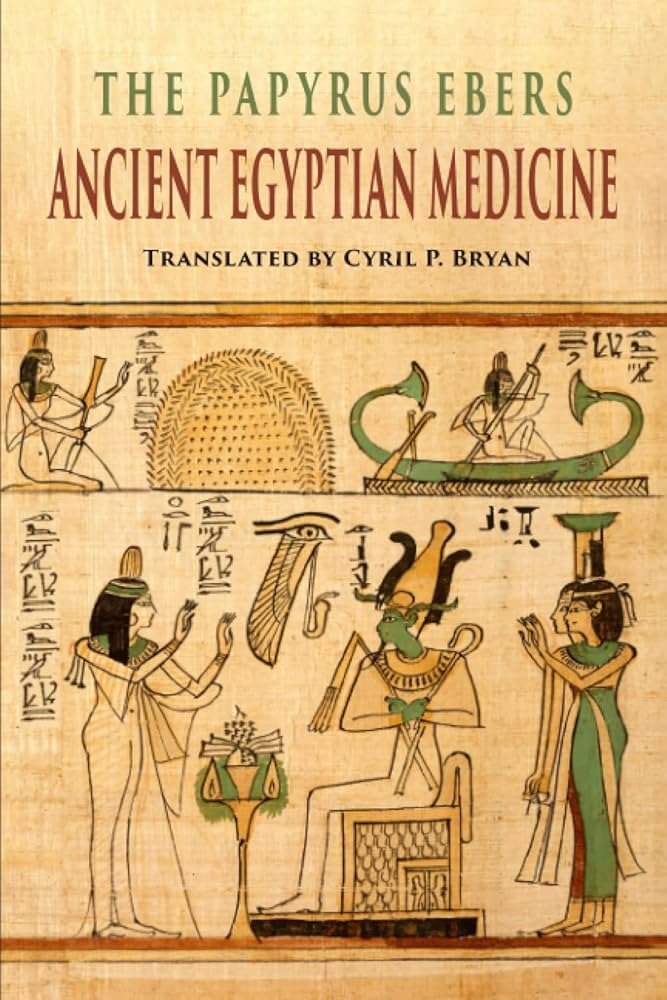
Across cultures, the tools ranged from animal horns and gourds to early syringes and bladder-based bags. (Sage Journals)
Ritual and psychoactive contexts
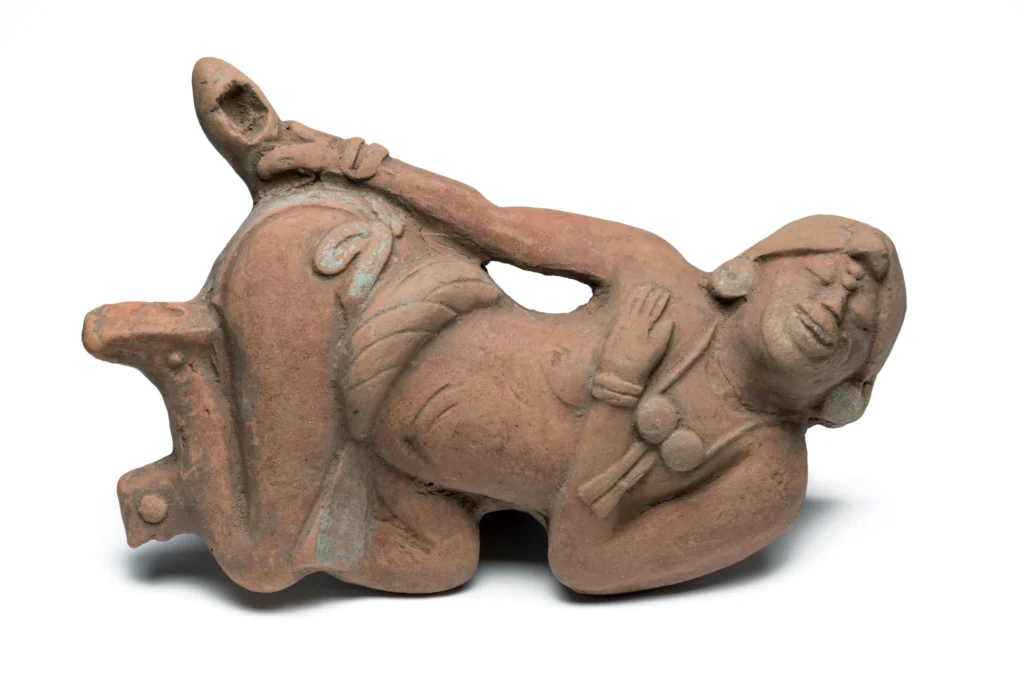
Beyond medicine, enemas had ceremonial roles. Among the Maya, archaeological depictions show ritual enemas used to introduce alcohol or psychoactive substances, likely to intensify altered states of consciousness. (ScienceDirect)
In South Asian traditions such as Ayurveda, enemas (basti) formed part of purification rituals, blending medical and spiritual frameworks. (Wikipedia)
Early modern Europe
By the 17th–18th centuries, enemas were widespread in Europe, particularly in France, where they were used routinely for health maintenance. Devices became domestic tools, and self-administration was common. (Wikipedia)
This normalization—frequent, intimate, and sometimes ritualized—created a cultural environment where the act could acquire meanings beyond purely medical necessity.
2. Terminology and conceptual framing
The primary term for the fetishized interest is:
- Klismaphilia: sexual or psychological fascination with enemas
- Enema fetishism: broader descriptive term for attraction to the act, context, or associated objects
Within clinical and descriptive literature, it is often categorized under medical fetishism—a pattern where medical procedures, settings, or authority structures become erotically charged.
The fetish may include:
- The act of administering or receiving
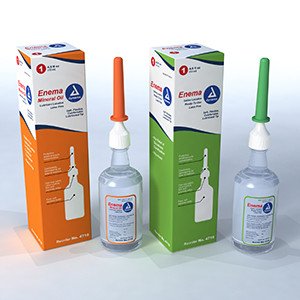
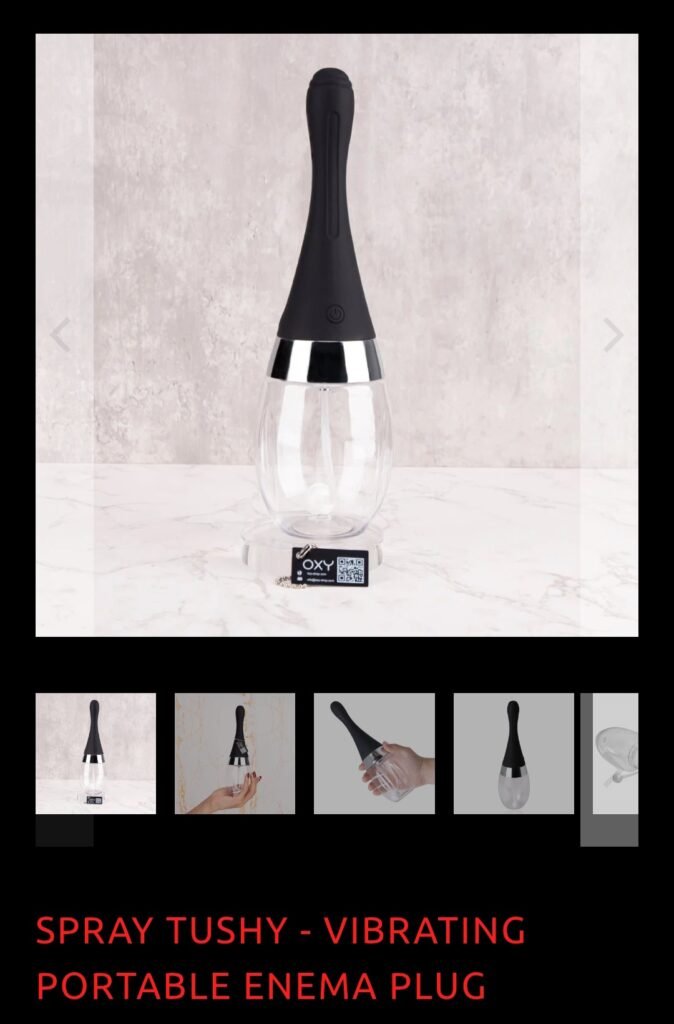
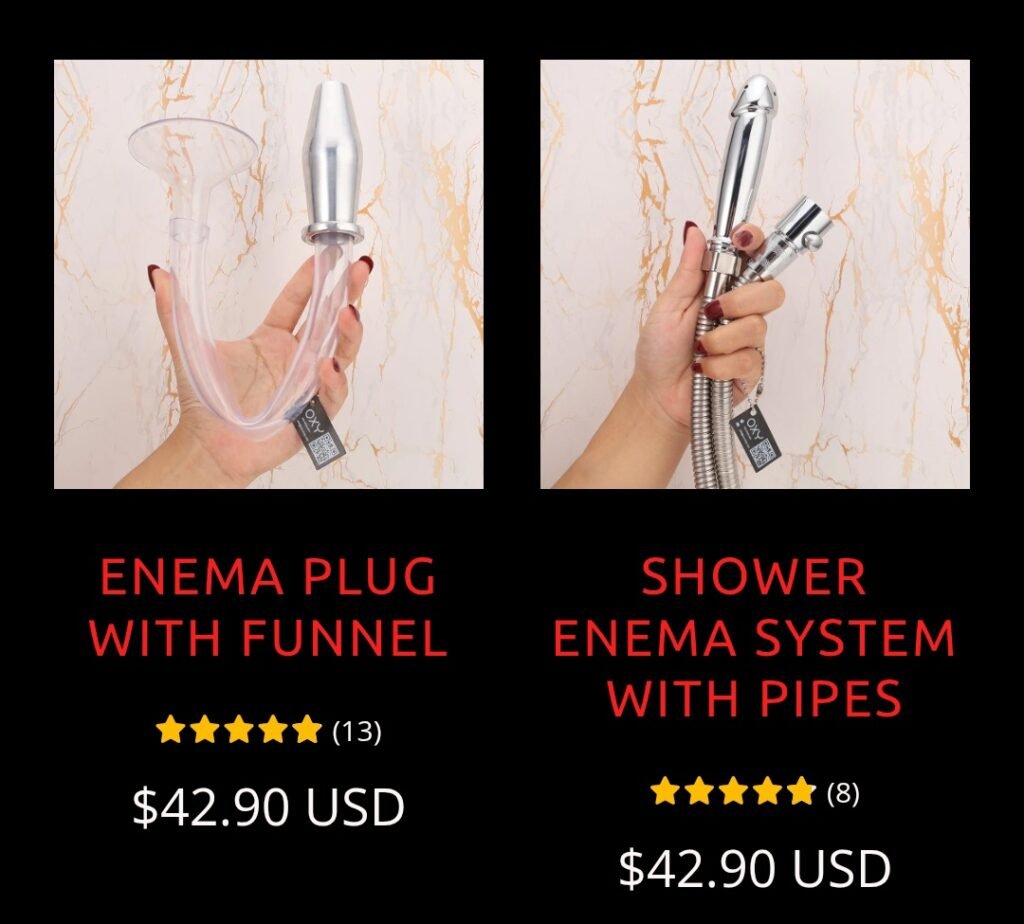
- The instruments (bulbs, bags, tubing)
- Preparatory rituals or clinical scenarios
- Sensory aspects (temperature, pressure, smell)
3. Psychological interpretations
There is no single explanation, but several frameworks recur in academic and clinical discussions:
A. Physiological reinforcement
The rectal region is densely innervated, and muscular contractions involved in enemas overlap with those used in sexual arousal and orgasm. This creates a pathway where physical sensations can become associated with erotic response. (Wikipedia)
B. Conditioning and early experience
Some interpretations emphasize associative learning:
- Early medical exposure (especially repeated or emotionally charged experiences)
- Conditioning of arousal to bodily sensations or specific procedures
This aligns with broader theories of paraphilia development through imprinting or reinforcement.
C. Control, vulnerability, and ritual
Enemas inherently involve:
- Intimacy and bodily exposure
- A giver/receiver dynamic
- Elements of control, trust, or authority
These dynamics overlap with themes found in dominance/submission contexts, though not all participants interpret them this way.
D. Symbolic and psychological meanings
Some psychoanalytic interpretations (more speculative) have framed enemas in relation to:
- Cleanliness and purification
- Regression or infantilization
- Bodily control and release
These ideas are debated and not universally accepted.
4. Overlap with other fetishes and practices
Enema fetishism rarely exists in isolation. It often intersects with:
Medical-themed scenarios
Because enemas are historically clinical, they frequently appear within doctor–patient roleplay or institutional settings.
Bodily fluid and transformation themes
Connections may occur with:
- Cleansing or purification fantasies
- Internal bodily processes
Power-exchange dynamics
Some individuals integrate enemas into structured dominance/submission relationships, though others approach it purely as a sensory or procedural interest.
Hygiene and preparation contexts
There is also overlap with practices related to bodily preparation (for example, rectal douching), though the motivations differ.
5. Modern cultural presence
Decline in mainstream medicine, persistence in culture
While enemas remain medically relevant (e.g., for constipation or bowel preparation), their routine use has declined with modern pharmaceuticals. (Wikipedia)
However, their historical ubiquity means they remain recognizable, even if somewhat archaic, which contributes to their symbolic resonance.
Film, literature, and humor
Enemas appear in media in several ways:
- Comedy and embarrassment: used as a shorthand for awkward or humiliating medical situations
- Historical drama: depictions of early medicine or aristocratic life
- Subtextual eroticism: occasionally implied rather than explicit
For example, period films set in early modern Europe sometimes reference clysters as part of everyday life, reflecting their historical normalization.
Subcultural visibility
Within niche communities, the fetish has developed its own vocabulary, etiquette, and safety discussions, often emphasizing knowledge of anatomy and risk.

6. Safety and ethical considerations (important context)
Historical and modern sources consistently note that improper use can be harmful:
- Risk of electrolyte imbalance or tissue damage
- Dangers from inappropriate substances or equipment
In contemporary discussions, emphasis is placed on:
- Informed consent
- Medical awareness
- Avoiding unsafe practices historically associated with experimentation
7. Interpreting its persistence
The endurance of enema fetishism can be understood as the convergence of several factors:
- Deep historical familiarity: centuries of normalized use
- Strong sensory component: direct physiological stimulation
- Symbolic richness: associations with cleansing, care, authority, and vulnerability
- Cultural visibility: recurring presence in humor, medicine, and historical narratives
Rather than emerging suddenly, it appears to be an extension of long-standing human interactions with the body, medicine, and ritual.
References and further reading
- JAMA clinical overview of enema history and use (JAMA Network)
- General medical and historical overview (Wikipedia)
- Doyle, Per rectum: a history of enemata (Sage Journals)
- Ethnographic study of Maya ritual enemas (ScienceDirect)
- Overview of enema fetishism within medical fetish contexts (Wikipedia)
Do you want to explore this topic in a private virtual session? Contact me or fill out the Slave Application.
Did you enjoy this article? Donate to the cause via Tribute (Send Money).
Feel free to leave your thoughts in the comment section of this post.
Subscribe to My Newsletter!
Get new content updates every week...or when I feel like sending one!