Definition and Terminology
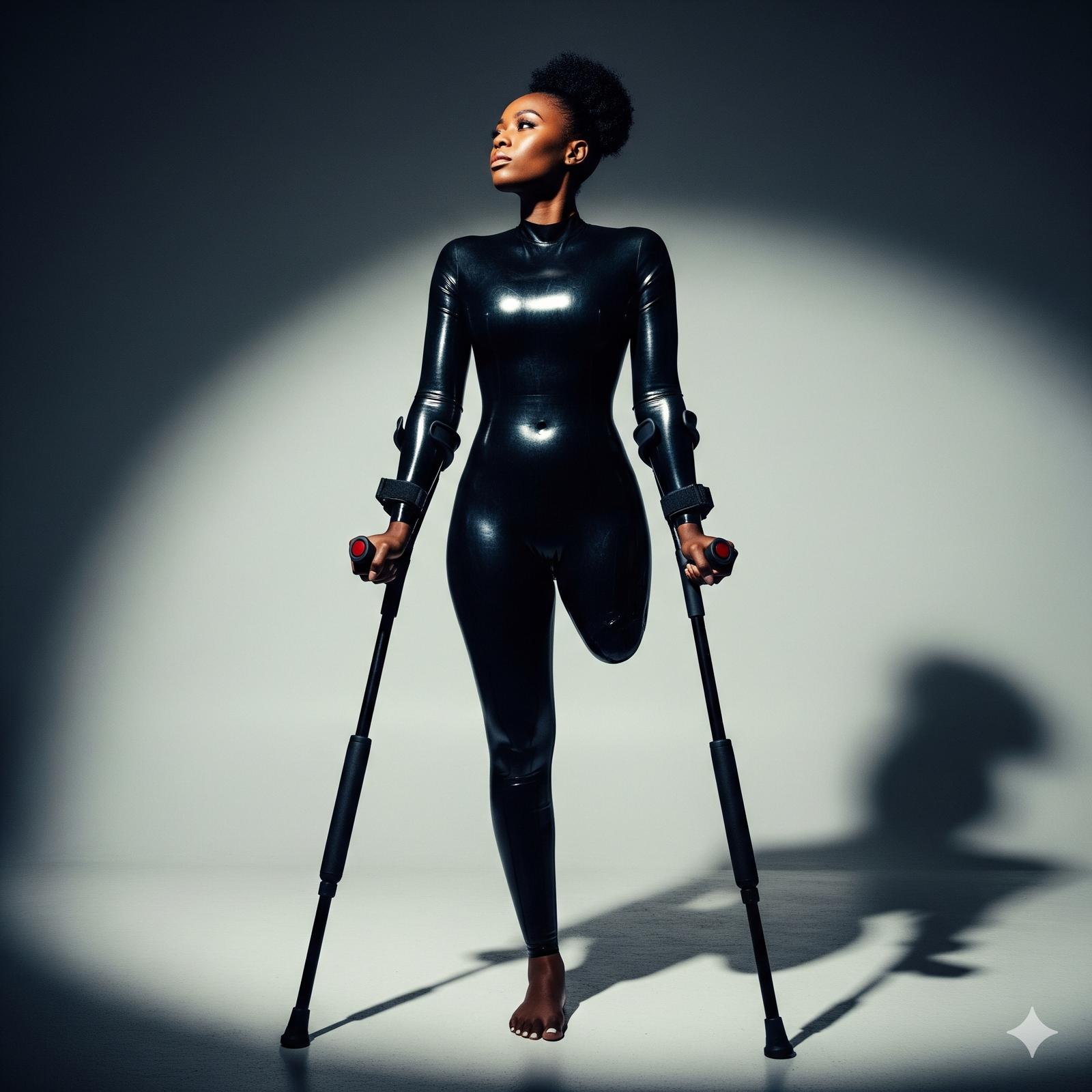
Amputee fetishism refers to a sexual or romantic attraction to individuals who have undergone limb amputations or the idea of amputation itself. It can also involve fantasies related to being an amputee. This fetish exists on a spectrum and may manifest in various ways, including attraction to prosthetics, stump play, or imagined scenarios involving limb loss.
Key terms include:
- Acrotomophilia: A fetish in which a person is sexually attracted to amputees. This term comes from Greek roots: akron (extremity), tomein (to cut), and philia (love).
- Apotemnophilia (also referred to as body integrity dysphoria, or BID): A condition in which a person experiences a strong desire to become an amputee themselves. While this is not strictly a fetish in all cases, some individuals may experience erotic arousal related to their amputation desires.
- Stump play: A specific interest in touching, kissing, or otherwise interacting sexually with an amputee’s stump.
Historical Context and Origins
Documented references to amputee attraction are rare before the 20th century, likely due to social stigma and limited medical survivability following major limb loss. However, there are anecdotal and literary references to individuals eroticizing disability or deformity throughout history.
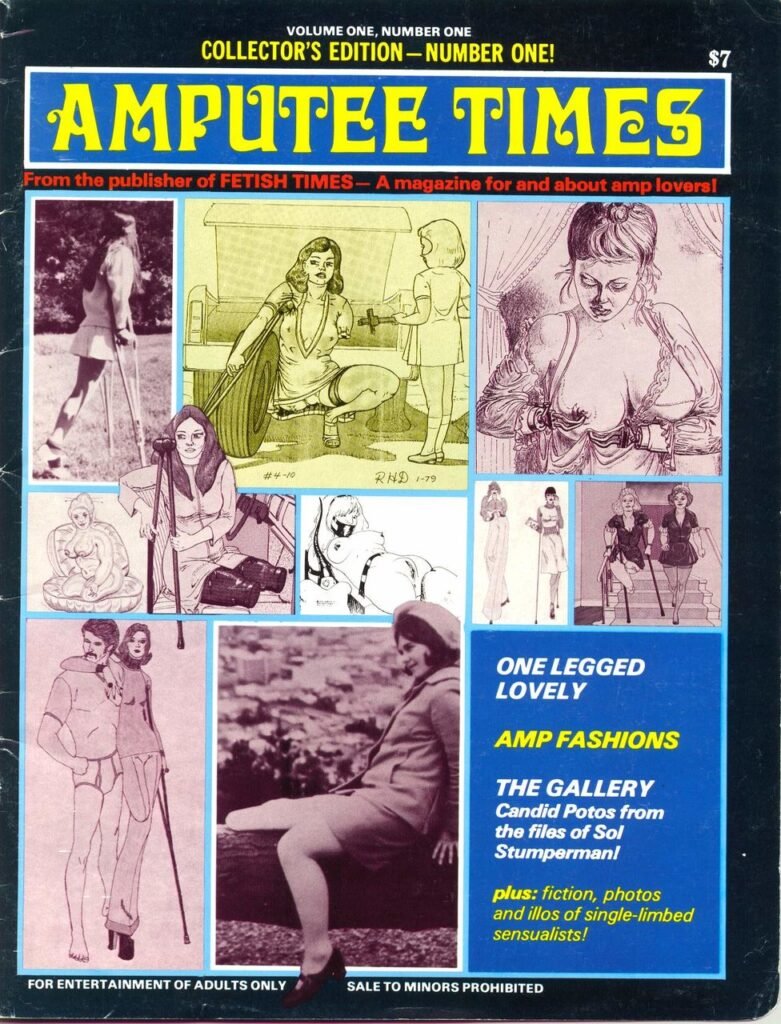
The fetish became more visible with the advent of the internet in the late 1990s and early 2000s, allowing people to find communities and express interests previously hidden due to taboo. Before that, publications such as Amputee Times (a niche magazine) and personal ads sometimes served as safe spaces for those with these attractions.
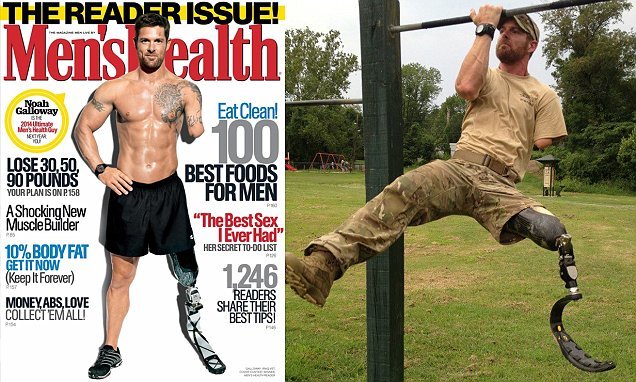
World War I and II, as well as later conflicts like Vietnam, led to large populations of returning amputee veterans, and this visibility may have contributed to increased public awareness and private fixation for some individuals.
Psychological Perspectives
The psychology behind amputee fetishism is complex and multifaceted. Not all acrotomophiles experience their attraction the same way, and not all amputees welcome or enjoy being fetishized.
Some proposed psychological explanations include:
- Eroticization of difference: Some acrotomophiles report that they are attracted to uniqueness, rarity, or physical contrast, with the absence of a limb becoming a site of fascination and arousal.
- Power dynamics and care roles: Some individuals may eroticize the idea of being needed or trusted deeply by a person with a physical vulnerability, or conversely, being admired for their own physical difference if they are amputees themselves.
- Objectification or dehumanization: In more problematic cases, some acrotomophilic individuals may fetishize amputees in ways that reduce them to their limb loss rather than seeing them as full people. This is generally discouraged within most ethical kink frameworks.
- Trauma or imprinting: Some people develop sexual interests linked to early-life experiences involving illness, injury, or caretaking that later manifest as specific desires or fantasies.
- Neurological theories: There is emerging research into how body image, brain mapping, and the concept of the “body schema” may affect apotemnophilic desires. In these cases, the arousal may stem from a mismatch between self-perception and physical form.
Overlap with Other Fetishes

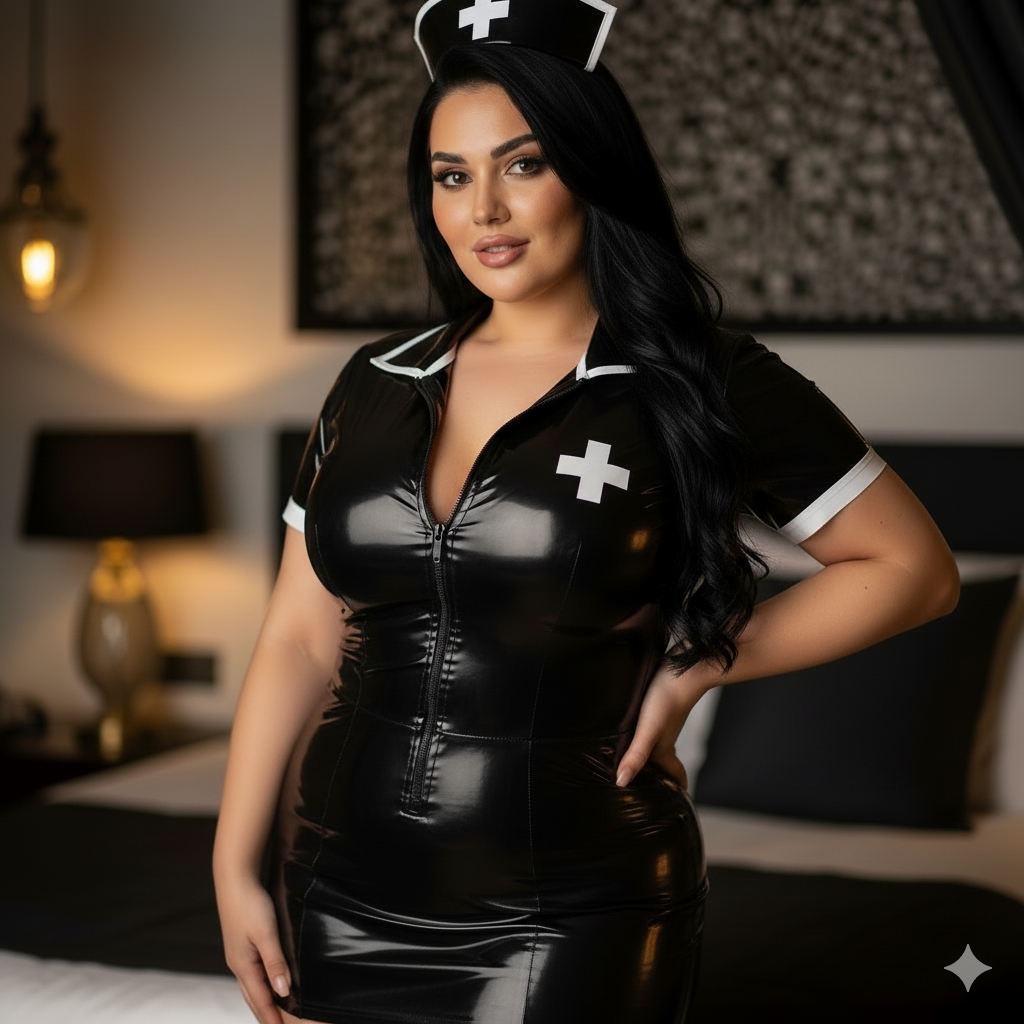
Amputee fetishism can intersect with several other kinks and fetishes:
- Medical fetishism (medfet): The shared focus on prosthetics, surgical scars, or medical devices creates natural overlap.
- Disability fetishism (also known as devoteeism): Broader than amputee fetishism, this includes attraction to various physical disabilities (wheelchairs, braces, etc.).
- BDSM and D/s dynamics: Some individuals incorporate amputee play into dominance and submission scenarios, often involving care, control, or protection.
- Objectification or transformation fetishes: In cases where individuals fantasize about becoming amputees themselves, it may relate to a broader interest in physical transformation or bodily modification.
Cultural Representation and Media Impact
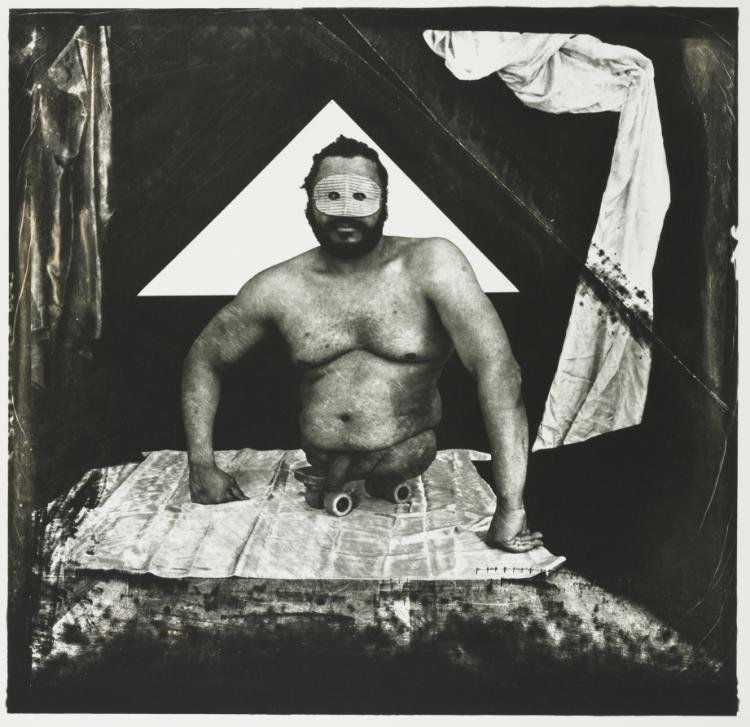
1984 by photographer Joel-Peter Witkin, displayed at the Cleveland Museum of Art
In mainstream media, amputees have historically been underrepresented, and when they are portrayed, it’s often in the context of war, trauma, or inspiration. However, some films, art, and photography have explored amputee bodies in other ways.
For example:
- The film Crash (1996), directed by David Cronenberg, famously explores the intersection of physical trauma and sexual arousal, including characters with prosthetic limbs.
- Contemporary erotic photographers and body-positive artists have also contributed to shifting the narrative around amputees as desirable, autonomous, and complex individuals—not merely objects of fetish or pity.
In online adult content, some niche platforms produce consensual amputee-focused erotica or videos, often featuring real amputee performers who choose to participate and advocate for their autonomy and rights.
Controversy and Ethical Concerns
While attraction to amputees is not inherently unethical, there are important boundaries and concerns:
- Consent and respect: As with any kink or attraction, the key is mutual consent. Amputees are not obligated to be fetishized, and assuming sexual access based on someone’s disability is unethical.
- Exploitation: Some amputees report feeling objectified or commodified, especially by individuals who focus solely on their limb difference.
- Apotemnophilia and medical ethics: Individuals who desire to become amputees may seek surgery or self-harm to achieve their ideal body image. This raises difficult ethical and medical questions about body autonomy, mental health, and medical responsibility.
Modern-Day Impact and Awareness
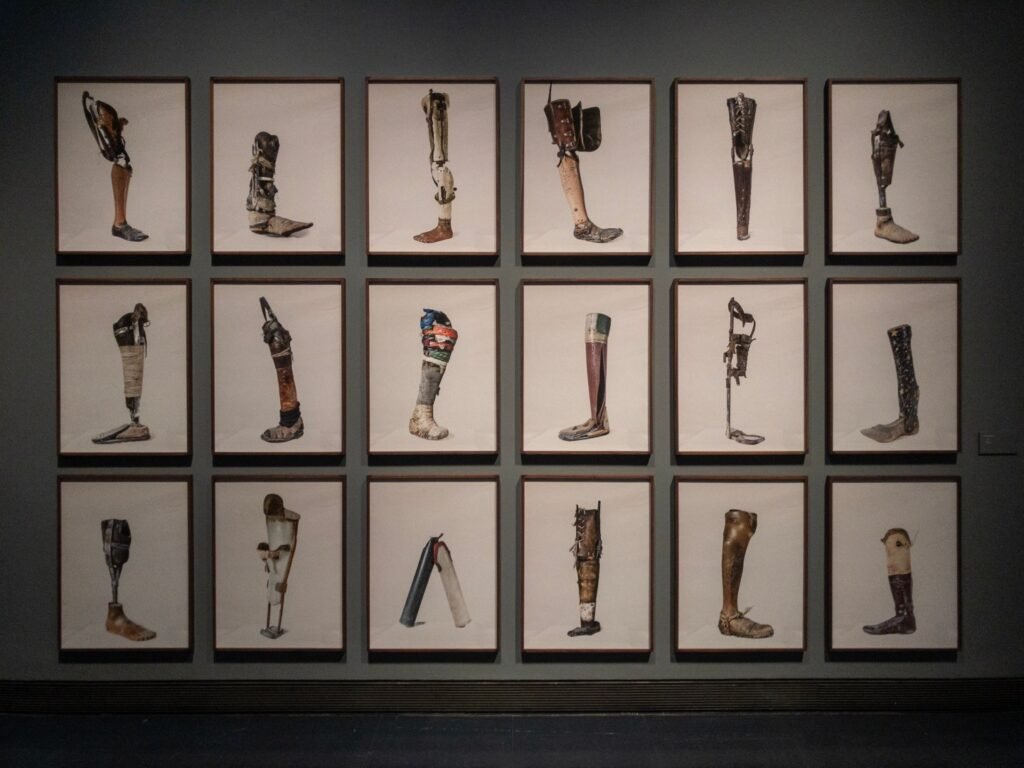
Thanks to growing conversations around kink, consent, and body diversity, there is a shift toward more inclusive and ethical engagement with amputee fetishism. Some amputees reclaim their sexuality publicly, engaging in advocacy, erotic modeling, or educational work to challenge stigma.
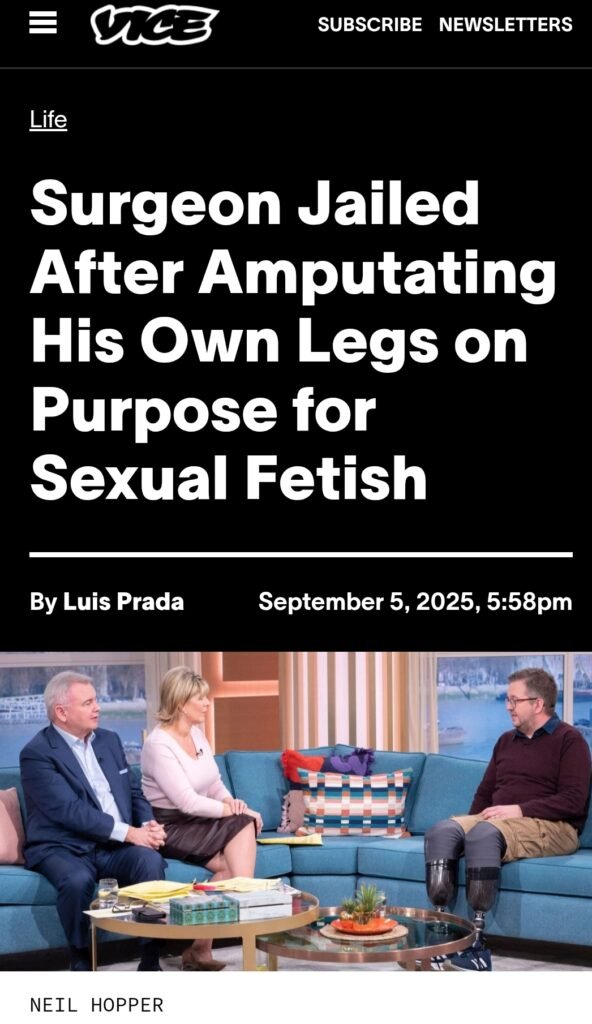
Publications such as Vice, The Atlantic, and BBC have covered the topic with varying degrees of sensitivity, helping to bring awareness to a topic that remains controversial yet important in discussions about desire, difference, and body politics.
Conclusion
Amputee fetishism, like many niche fetishes, occupies a complicated space between personal desire and social ethics. When grounded in consent, mutual respect, and full personhood, it can be a legitimate form of attraction or fantasy. However, it also carries a high potential for misunderstanding, objectification, or harm if handled carelessly.
As society continues to evolve in its understanding of both disability and sexuality, greater awareness, ethical discourse, and inclusion are essential to ensure that those involved—whether as fetishists or amputees—are seen, respected, and given autonomy over their own narratives and bodies.
Do you want to explore this fetish further in a private virtual session? Contact me or fill out the Slave Application.
Did you enjoy this article? Donate to the cause via Tribute (Send Money).
Feel free to leave your thoughts in the comment section of this post.
Article Bdsm BDSM community BDSM education BDSM lifestyle Expose Femdom femdom finance femdom financial control Fetish fetish community fetish culture fetish gear fetish psychology financial control financial control fetish Financial Domination financial domination online financial domination psychology financial domination techniques financial submission financial submissive financial tribute Findom Findomme Foot Fetish money domination Money slave money worship online financial domination Paypig paypig community paypig demands paypig lifestyle paypig rituals paypig tribute power exchange Promo S&m Smoking fetish Social submission Video Video clip Youtube
Subscribe to My Newsletter!
Get new content updates every week...or when I feel like sending one!