Introduction
Stripper culture, often misunderstood and stigmatized, is a multifaceted phenomenon intertwined with notions of sexuality, entertainment, empowerment, and rebellion. Its roots stretch back centuries, evolving through social, cultural, and artistic shifts to become a prominent facet of modern nightlife and performance art. Central to this history are the art forms of pole dance and the establishment of strip clubs—spaces that have both challenged and reinforced societal norms. Exploring this trajectory reveals a complex narrative of struggle, glamour, empowerment, and societal perception.
The Origins of Pole Dance and Erotic Entertainment
While pole dance is often associated with strip clubs today, its origins are diverse and ancient. Historical evidence suggests that pole-like apparatuses and acrobatic performances have existed for thousands of years across cultures.
- Ancient Civilizations: In ancient Greece and Egypt, pole-like structures were used in fertility rituals and dance performances. For example, the Greeks performed acrobatic feats around wooden poles, and Egyptian murals depict dancers spinning around vertical posts.
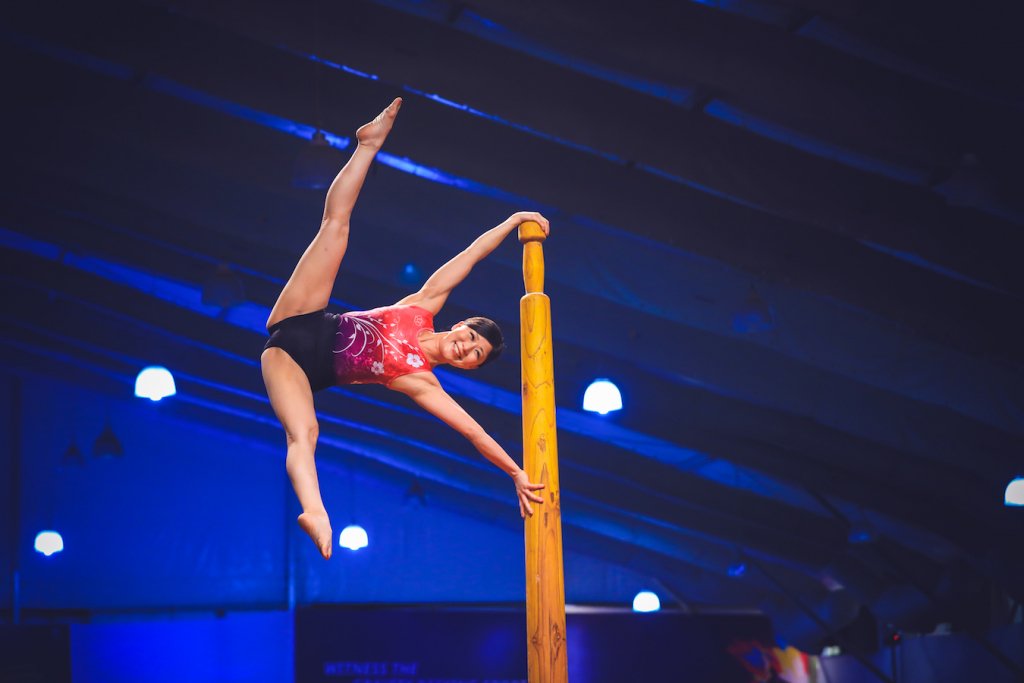
- Indian Mallakhamb and Chinese Pole: Traditional Indian Mallakhamb and Chinese pole performances showcase the athletic and artistic potential of pole-based acrobatics, emphasizing strength and flexibility.
- European Circus and Vaudeville: In the 19th and early 20th centuries, circuses and vaudeville shows popularized aerial acts involving poles and ropes, blending athleticism with entertainment.
Modern Pole Dance Emerges
The contemporary form of pole dance began gaining popularity in the 20th century, particularly in the United States. During the 1920s and 1930s, traveling circuses and nightclubs incorporated pole-based acts to captivate audiences. The transition from acrobatic entertainment to a form of sensual dance occurred alongside the rise of striptease during the early 20th century.
The Rise of Strip Clubs and Erotic Entertainment
Origins in the Early 20th Century
The emergence of strip clubs as dedicated venues for adult entertainment can be traced to the early 1900s. Initially, burlesque shows and vaudeville performances included striptease acts that challenged Victorian-era moral codes.
- Burlesque and Vaudeville: These entertainment forms combined comedy, dance, and striptease, often performed in theaters before evolving into dedicated clubs.
- Nightclubs and Cabarets: By the 1930s and 1940s, specialized venues emerged in urban centers like New York City and Las Vegas, offering a space for more explicit adult entertainment.
Cultural Shifts and Legalities
Throughout the mid-20th century, strip clubs faced fluctuating legal and social attitudes. While some viewed them as immoral or degrading, others saw them as expressions of sexuality and personal freedom.
- The Sexual Revolution: The 1960s and 1970s saw a loosening of social mores, leading to increased acceptance of adult entertainment venues.
- Economic and Cultural Impact: Strip clubs became significant parts of urban nightlife economies, influencing music, fashion, and pop culture.
Benefits and Struggles of Strip Culture
Empowerment and Artistic Expression
Many performers see strip dancing as a form of empowerment, body positivity, and artistic expression. It allows individuals to explore sexuality on their own terms, challenge societal taboos, and develop confidence.
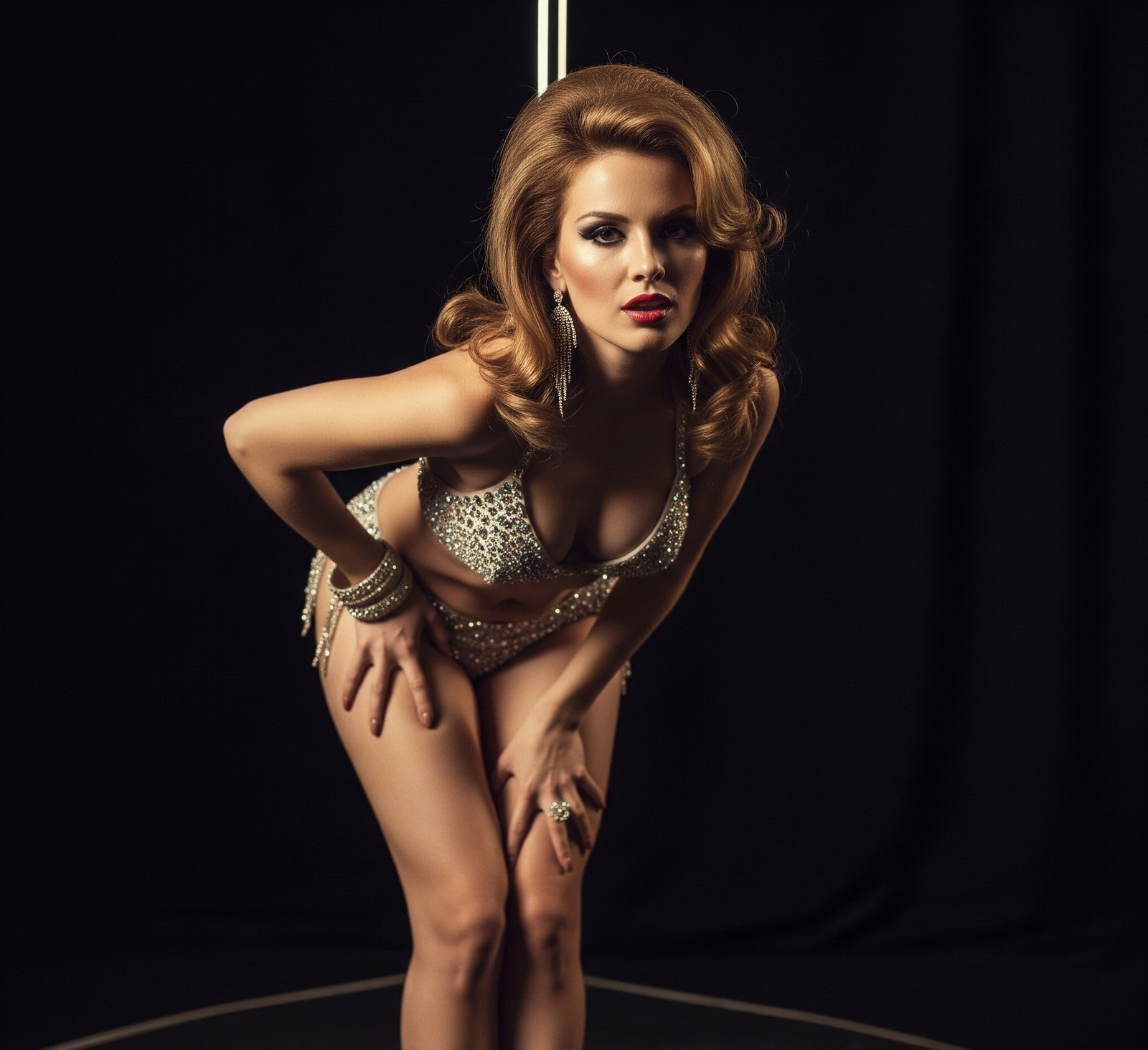
Stripper fashion is characterized by bold, revealing, and often glamorous styles designed to accentuate the body and create a captivating visual impact. Common elements include lacy or glittering lingerie, bodysuits, bathing suits, stretchy tight dresses, fishnet stockings, and high heels. The overall aesthetic blends sex appeal with creativity, allowing performers to express their personality and stage presence through vibrant, eye-catching outfits.
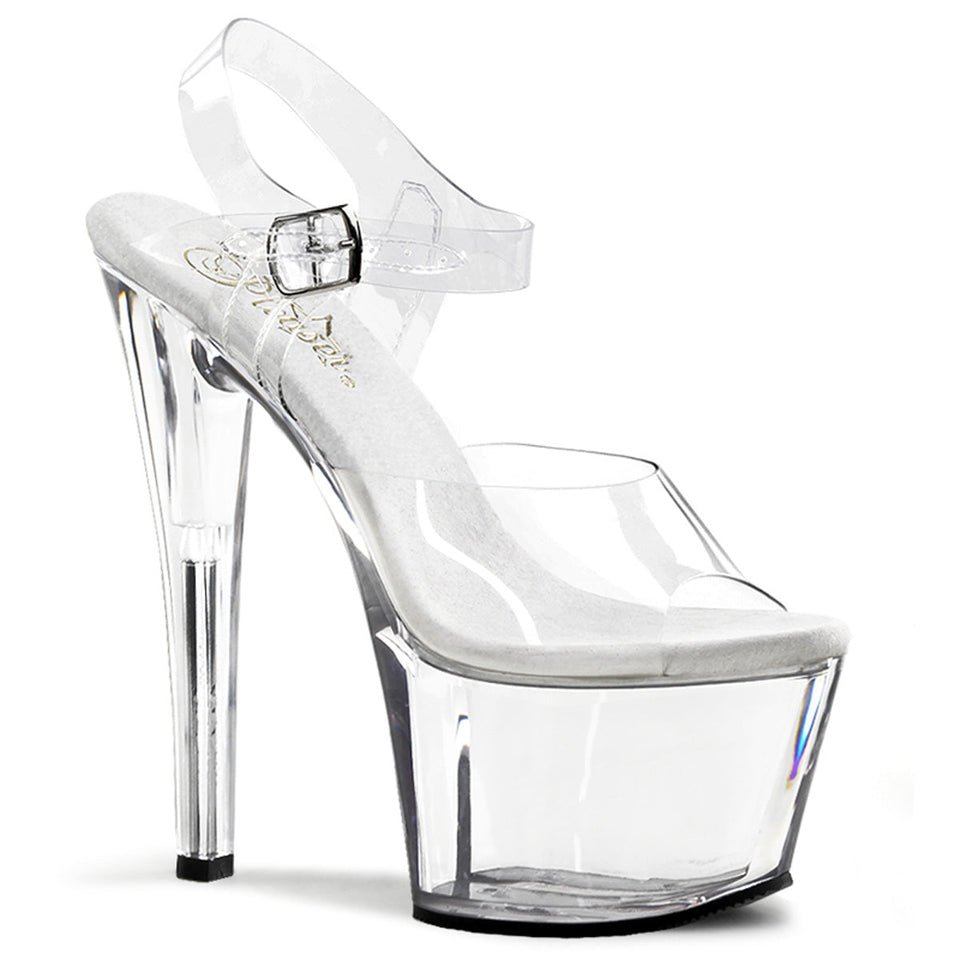
Stripper shoes are high-heeled footwear designed to enhance performance and appeal in dance and entertainment settings. Typically featuring tall, stiletto heels, platform soles, and often open toes or heels, these shoes are crafted to accentuate leg and foot movements, adding an element of allure and confidence. Made from various materials like leather, satin, or PVC, stripper shoes are not only functional for dancers but have also become a fashion statement, symbolizing boldness and self-expression. Their striking design and daring height make them a distinctive accessory in both performance art and fashion circles.
Stripper accessories like garters and money bags play a key role in performances. Garters, often worn around the thigh, are both decorative and functional, sometimes used to hold small items or tips. Money bags are specially designed containers, usually worn around the waist, wrist, or held by the performer, to securely collect tips and cash from the audience. These accessories not only enhance the visual appeal but also facilitate the seamless collection of tips, allowing performers to maintain a smooth and engaging show.
Physical and Mental Benefits
- Physical Fitness: Pole dance and striptease require strength, flexibility, and endurance, providing a form of exercise that promotes physical health.
- Self-Expression: Performers often find a sense of liberation and self-confidence through their craft.
Struggles and Challenges
Despite these aspects, the industry faces significant struggles:
- Stigma and Discrimination: Many performers contend with social stigma, discrimination, and misconceptions about their profession.
- Economic Instability: Income can be unpredictable, and performers often navigate complex dynamics regarding autonomy and exploitation.
- Club Exploitation: Many strip clubs exploit their performers by not paying/underpaying them, and/or taking a significant portion of their earnings through high house fees or mandatory tips. Often, strippers are pressured to perform longer hours without fair compensation and face unsafe working conditions. These establishments can also impose strict rules that limit performers’ control over their work, making it difficult for them to earn a fair income and maintain their well-being. Such practices highlight the need for better protections and fair treatment for strippers within the industry.
- Government Exploitation: Some states, like California, regulate the adult entertainment industry by implementing licensing requirements for performers, including strippers. For example, performers may need to obtain special permits or licenses to work legally in clubs. Additionally, certain states enforce age restrictions and health screenings to protect both workers and patrons. While these measures aim to regulate the industry, critics sometimes argue that they can be used to control or exploit performers, or to impose unnecessary hurdles on those seeking employment in the field.
- Regular Assaults: Strippers, like many performers working in nightlife and entertainment venues, may face certain risks related to assault. These risks can stem from unwanted advances, aggressive behavior, or inappropriate conduct from patrons. It’s important for venues to implement strict security measures, staff training, and clear policies to ensure performers’ safety. Personal awareness and setting boundaries are also crucial for dancers to protect themselves from potential harm.
- Injuries Without Healthcare: pole dancing is dangerous and many strip clubs do not provide health care benefits to their dancers, leaving them responsible for their own healthcare needs. This lack of support can make it difficult for dancers to access regular medical care, manage injuries, or address health concerns. As independent workers or contractors, many strippers face financial and health-related challenges without employer-provided health insurance, highlighting the need for better protections and support within the industry.
Glamor, Popular Culture, and the Modern Image
Over the decades, strip culture has been glamorized by Hollywood, music videos, and fashion. Icons like Dita Von Teese have redefined strip burlesque as a sophisticated art form, blending vintage glamour with modern sensuality. The visual aesthetic—sequined costumes, elaborate choreography, and confident performances—has contributed to a perception of empowerment and artistry.
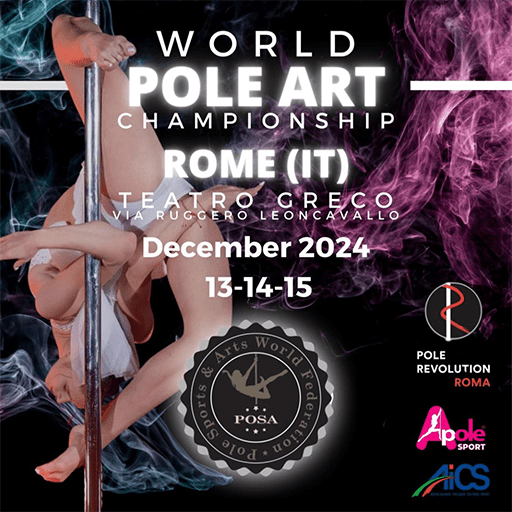
In recent years, the rise of pole dance competitions and studio-based classes has further shifted perceptions, framing pole dancing as a legitimate form of fitness and performance art. This evolution has helped challenge stereotypes, emphasizing athleticism, artistry, and personal empowerment.
Conclusion
The history of stripper culture, pole dance, and strip clubs is a reflection of societal attitudes towards sexuality, performance, and personal expression. From ancient rituals and circuses to modern fitness studios and glamorous performances, these art forms have continually evolved—sometimes embraced, sometimes stigmatized.
Ultimately, stripper culture embodies a complex intersection of empowerment, artistry, controversy, and glamour—an ongoing dialogue about body autonomy, societal norms, and the transformative power of performance.
Do you want to show off your pole dancing skills in a private virtual session? Contact me or fill out the Slave Application.
Did you enjoy this article? Donate to the cause via Tribute (Send Money).
Feel free to leave your thoughts in the comment section of this post.
Subscribe to My Newsletter!
Get new content updates every week...or when I feel like sending one!