
Introduction
A foot fetish, also known as podophilia, is a sexual interest or fixation on feet. It is one of the most common forms of sexual fetishism and has been documented across various cultures and historical periods. Understanding its origins, terminology, and psychological implications provides insight into human sexuality’s complexity.
Historical and Cultural Origins
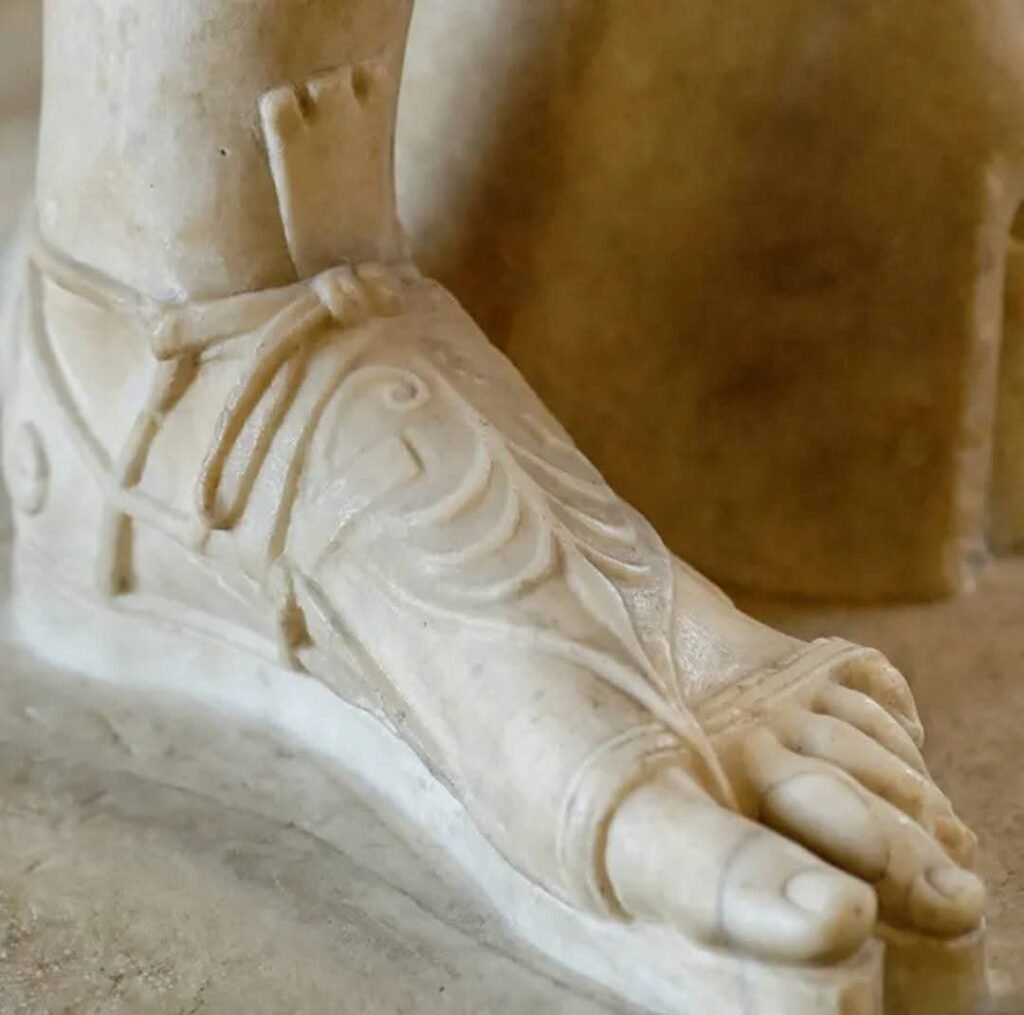
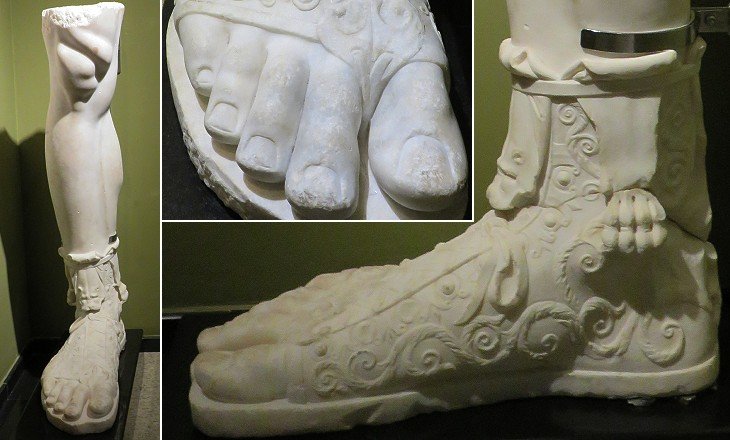
Foot fetishism has ancient roots, with references dating back thousands of years. In ancient Greece and Rome, foot adornment and foot worship appeared in art and literature, sometimes symbolizing eroticism or submission.
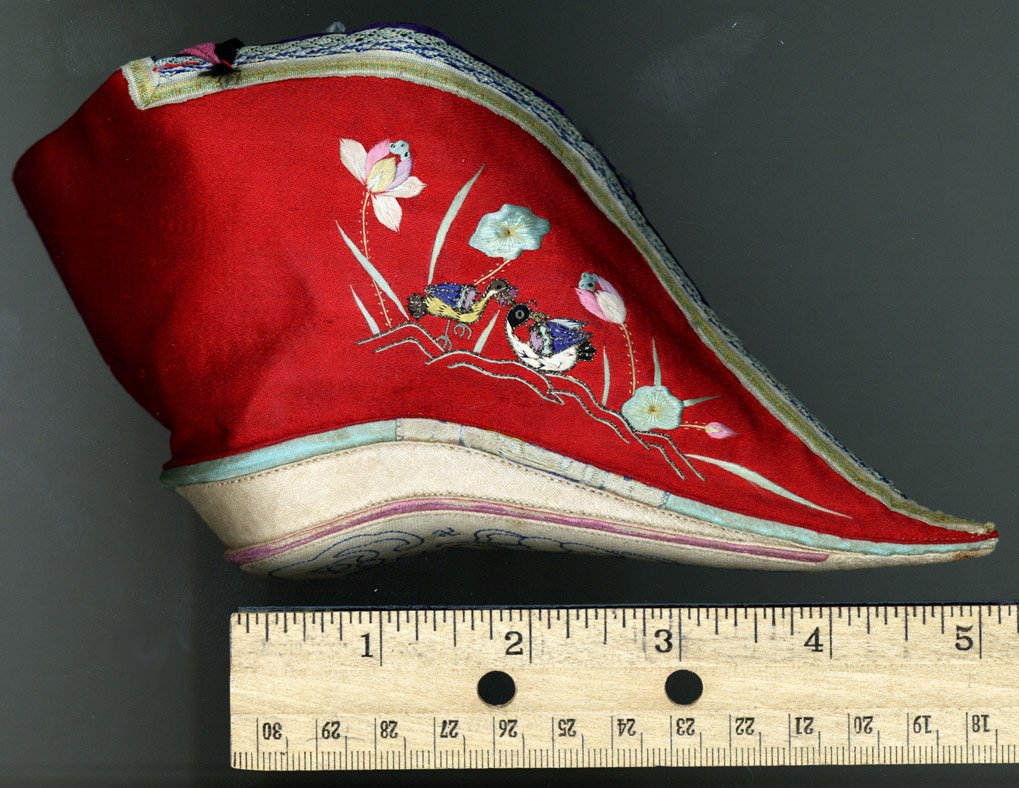
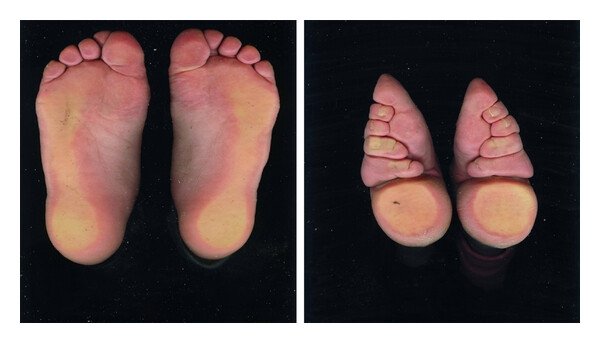
In some Asian cultures, such as in historical China and Japan, foot binding was practiced, which, while primarily a cultural tradition, also had erotic undertones and could influence perceptions of feet as objects of desire.
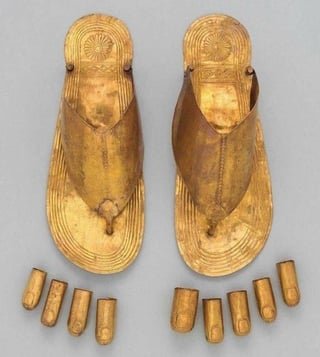
Ancient Egypt: Foot adornment and grooming were considered signs of status and beauty.
Indian culture: The feet of deities and elders are considered sacred, and touching or kissing feet is a sign of respect.
During the Victorian era, the emphasis on foot care and the aesthetic presentation of feet in fashion and art contributed to the fetishistic interest. In the 20th century, the rise of psychoanalysis and sexual psychology further examined foot fetishism, classifying it under the broader umbrella of sexual deviations.
Terminology
- Podophilia: The scientific term for a foot fetish. (Foot fetishism: The more common, colloquial term.)
- Foot worship: A term often used when the fetish involves acts of admiration or adoration of feet.
- Fetish / partialism: In everyday speech, “fetish” means a strong sexual interest in some non‑genital body part or object (or type of object). In clinical and academic contexts, more precise terms are used. Historically, “partialism” referred particularly to sexual arousal focused on part of the body (e.g. feet, hands) rather than the whole body. (Wikipedia)
- Foot fetish / foot fetishism: Sexual interest/arousal that is specifically linked to feet or foot‑related stimuli (such as bare feet, footwear, certain shapes, smells, touch, etc.).
- Fetishistic Disorder: As per the DSM‑5 (Diagnostic and Statistical Manual of Mental Disorders), fetishism or partialism becomes a disorder only if the individual experiences distress about the interest or if it causes impairment in functioning. Merely having a fetish does not imply a disorder. (Medical News Today)
Psychological Perspectives
Several theories have been advanced to explain why someone might develop a sexual interest in feet. No single explanation has universal acceptance; for many people, it may be a combination.
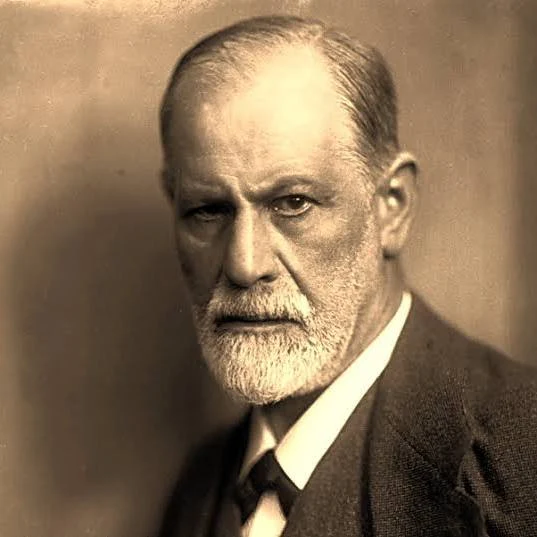
- Freudian Theory: Sigmund Freud proposed that fetishism results from unresolved childhood conflicts or the early sexualization of specific body parts. In this context, feet might symbolize submission or a desire for nurturing.

- Classical conditioning / associative learning
- An individual might have early experiences that accidentally link arousal with feet (or shoes or socks etc.). Over time, that association becomes reinforced. (Medical News Today)
- Neurological / brain mapping theories
- Some neuroscientists (notably V. S. Ramachandran) have pointed out that in the somatosensory cortex (the region that processes touch and sensation), the area that maps the feet is adjacent to the area that maps the genitals. One speculative idea is that cross‑activation, or proximity, might lead to some overlap in neural responses. (Medical News Today)
- However, it’s worth noting that this remains a hypothesis; empirical data is limited.
- Psychodynamic and symbolic interpretations
- Freud and others in psychoanalytic traditions suggested that feet might serve as a symbolic substitute (for example, foot or toes as a kind of surrogate for a missing or forbidden object in early life). (Wikipedia)
- Some theories consider fetishism as a way of resolving anxiety (e.g. castration anxiety), or as a transference of erotic energy to something socially less threatening than genital focus. (Wikipedia)
- Cultural, social, aesthetic factors
- Norms about modesty, covering up, taboo: when feet are hidden (by footwear, socks, etc.), exposure can carry erotic charge (similar logic applies to other partially concealed body parts). (The Swaddle)
- Fashion, footwear design, the way feet are portrayed in art and media can influence aesthetic preferences.
- Variation among individuals
- For many, the interest in feet is one of several erotic interests. For others, it may be central.
- Some people prefer particular features (arches, toes, shape, smell, touch, footwear, etc.).
Overlap with Other Fetishes / Paraphilias

- Foot fetishism & footwear fetishism: Often interlinked. Some people are more interested in the shoe or sock, or the act of removing shoes, than the foot itself. The fetish for boots or particular footwear sometimes overlaps. (Wikipedia)
- BDSM / dominance & submission: Because feet are “low” (both literally and metaphorically in many cultures), acts involving feet (worship, washing, kissing, trampling, etc.) can be tied into power dynamics (submission, humility, dominance). (Wikipedia)
- Other partialisms / body part fetishes: People interested in feet might also have erotic interests in hands, legs, hair, etc. These interests can occur concomitantly.
- Sensory fetishes: Smell, texture, taste, the feel of skin, etc., sometimes play a role; someone might derive arousal from the smell of feet, from tickling, from certain sensory stimuli associated with feet or footwear.
Modern Cultural Impact & References in Media / Pop Culture

The interest in feet (and feet in erotic contexts) has arguably become more visible in modern media, and culturally more discussed, though still often stigmatized or treated as humorous/taboo. Some examples:
- Photography & fetish art
- Elmer Batters (mid‑20th century) is a well‑known fetish photographer who specialized in legs, feet, stockings, etc. His work has been influential in erotic/fetish art circles. (Wikipedia)
- Film directors and motifs
- Quentin Tarantino is regularly cited for including shots emphasizing feet, often bare feet, in his films (e.g. Pulp Fiction, Kill Bill, Death Proof, etc.). This has become part of how critics analyze his style. (Top 10 Films)
- In literature, authors sometimes use foot imagery to add erotic or symbolic texture. For instance, references in Lolita (Vladimir Nabokov) include foot imagery, though in complex and sometimes disturbing contexts. (Glamour)
- TV & drama
- Scenes involving foot worship, foot jobs, or power dynamics around feet are occasionally used in television (in dramas, fantasy series, etc.), sometimes to provoke discomfort, or to illustrate a character’s sexual proclivities. An example: House of the Dragon had a scene involving feet that some audiences found provocative or surprising. (EW.com)
- Normalization, taboo, and social media
- The internet has allowed communities of people with foot fetishes to share content, art, photography, experiences. This visibility sometimes brings normalization (or at least awareness), but also stigma.
- There are discussions about the ethics of sharing content, consent, exploitation, and privacy (e.g. unsolicited requests for feet photos).
- Mainstream culture’s jokes & tropes
- Because foot fetishism occupies a somewhat liminal place—neither wholly taboo like extreme paraphilias, nor wholly “accepted” like attraction to more commonly eroticized body parts—it often becomes the butt of jokes, comedic scenes, or subtle character details in media.
Social Perception, Stigma, & Ethics
- Despite being relatively common (numerous surveys suggest a substantial minority of people have fantasies involving feet or toes) foot fetishes are often stigmatized or framed as “weird,” “odd,” or “embarrassing.” (Adelaide Now)
- Part of the stigma comes from taboos around bodily exposure, modesty, and cultural norms about what is considered “erotic.” Feet in many cultures are dirty, unclean, low‑status, or hidden, which contributes both to stigmatization and possibly to erotic interest. (The Swaddle)
- Ethical concerns include consent, mutual understanding, boundaries, avoiding shame, ensuring that interests are not imposed on others, ensuring respect and privacy when sharing erotic or fetish content.
Why It Resonates / What People Report
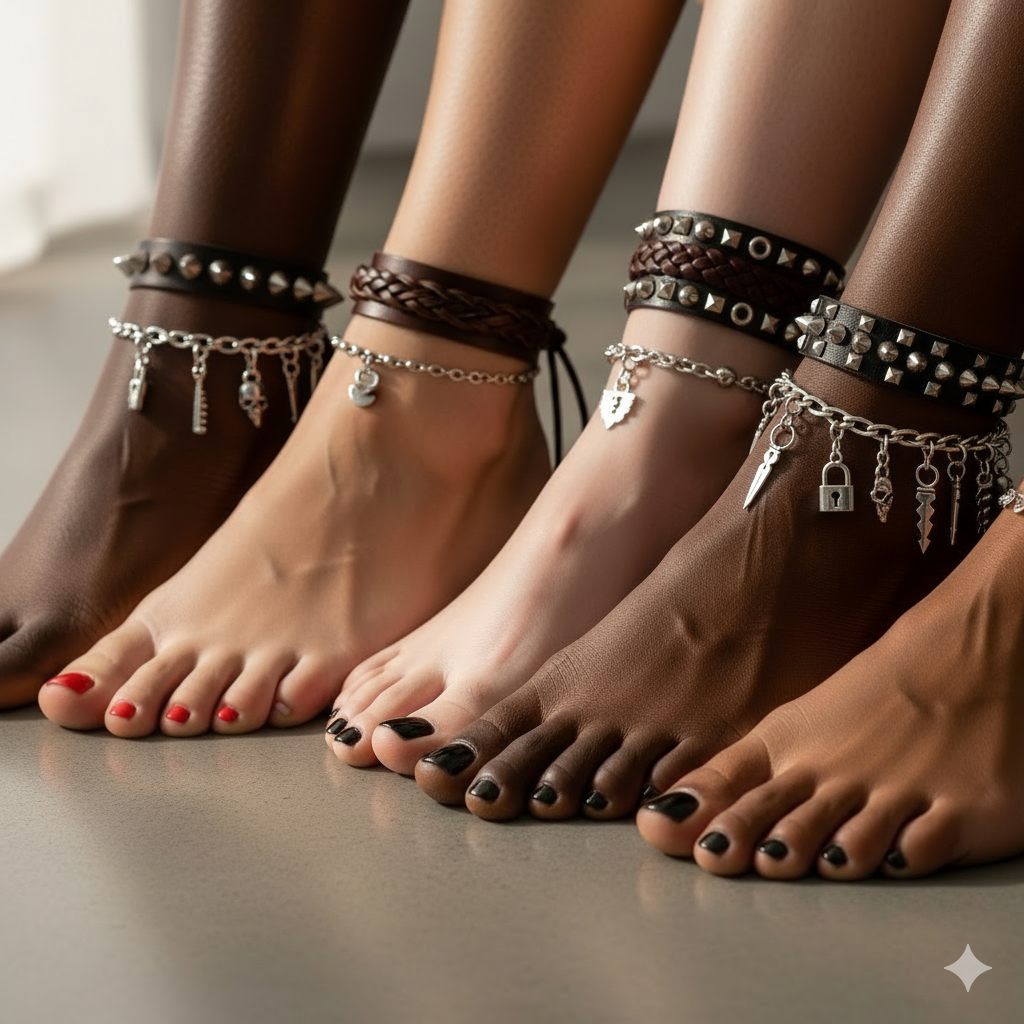
From qualitative studies, interviews, and first‑person accounts, people who have a foot fetish often mention some combination of:
- Aesthetic appeal: shape, curve, toes, arches, lines, the look of bare feet or certain footwear.
- Sensory stimuli: smell, texture (smoothness, touch), warmth or coolness, tickling.
- Power dynamics: submissiveness or dominance expressed via acts involving feet (worship, being walked on, kissing, etc.).
- Taboo and novelty: the hidden nature of feet in certain contexts enhances their erotic appeal for some.
- Emotional context: some people report that early experiences, relationship dynamics, or even accidental sexual arousal involving feet have set the pattern for later interest.
- It’s difficult to measure precisely how many people have foot fetishes, because many may not disclose them. Surveys suggest it is one of the more common fetishes or erotic interests in body parts. (Adelaide Now)
- Variation is high: some people have a mild interest, others a central one; some prefer certain features (e.g. small feet, high-arched, particular footwear) and not the rest; some prefer the look, others the touch or smell.
Modern Context & Shifts
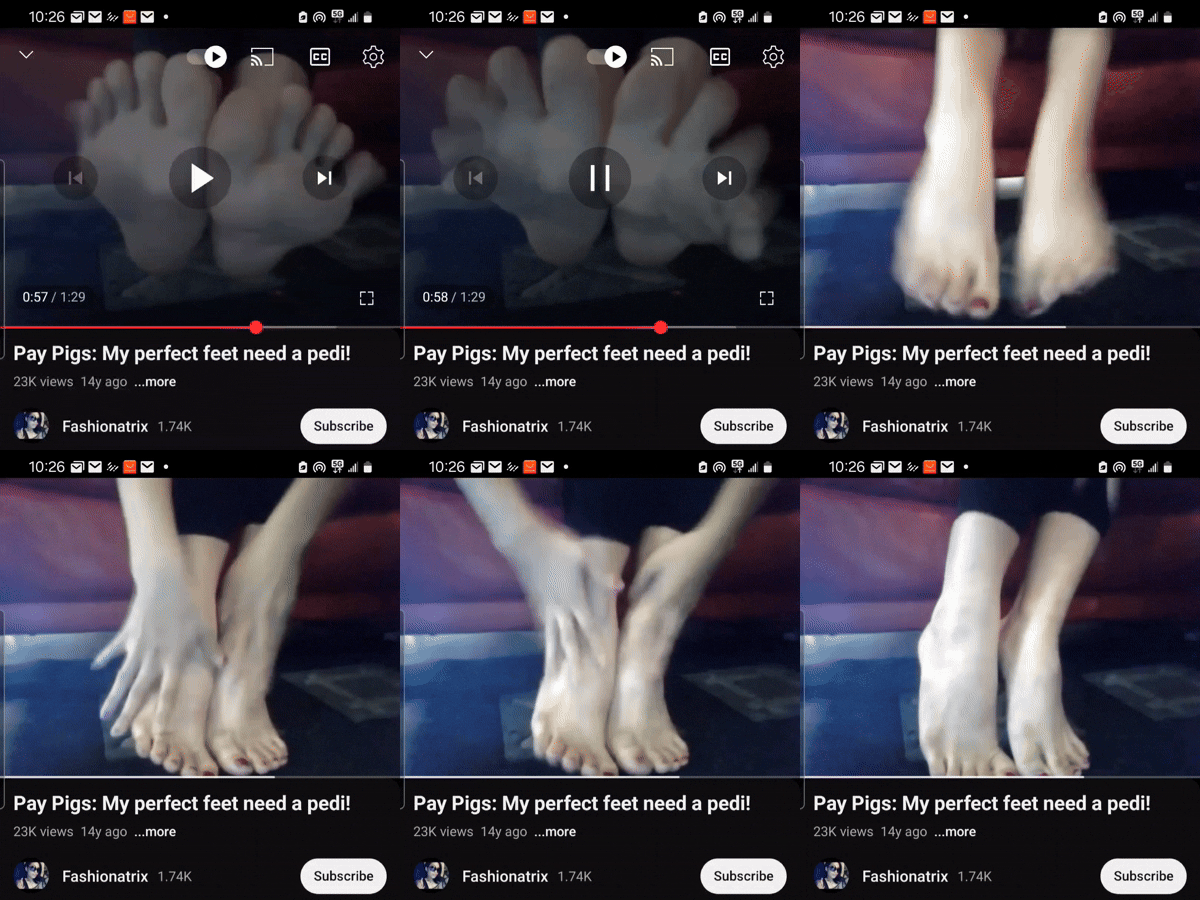
- The internet has transformed opportunities for expression: more visibility, niche content, communities, erotic art, platforms where foot content is explicitly created and shared (with all the accompanying discussions about consent, monetization, etc.).
- Mainstream culture is increasingly more open (or at least more aware). Discussions in media, interviews, social media content have made it more common to acknowledge foot fetish interests openly.
- With this increased visibility, there’s also more discourse about boundaries, healthy consent, and destigmatization.
Summary
Foot fetishism (or erotic interest in feet) is a longstanding and relatively common sexual preference. While various psychological, neurological, cultural, and individual‑developmental factors likely contribute to its origin and expression, it’s not inherently pathological. Like many sexual interests, its acceptability depends heavily on consent, comfort, and impact on life. Over time, cultural shifts (especially via media and internet) have increased visibility and discussion, while also raising discussions about ethics and normalization.
Do you want to explore this topic in a private virtual session? Contact me or fill out the Slave Application.
Did you enjoy this article? Donate to the cause via Tribute (Send Money).
Feel free to leave your thoughts in the comment section of this post.
Article Bdsm Education Educational Expose Femdom femdom finance Fetish fetish community fetish exploration fetish psychology financial control financial control fetish Financial Domination financial domination online financial submission financial submissive financial tribute Findom Findomme Foot Fetish Free kink education money control money domination Money slave money worship online financial domination Paypig paypig community paypig demands paypig lifestyle paypig rituals paypig tribute power exchange Promo S&m Smoke Smoking Smoking Fantasy Smoking fetish Social Video Video clip Youtube
Subscribe to My Newsletter!
Get new content updates every week...or when I feel like sending one!