
Definition and Terminology
A food fetish is a type of sexual fetish or kink in which food plays a central role in arousal, fantasy, or erotic experience. This broad category can involve a wide range of behaviors and preferences, from playing with food during sex to being aroused by watching others eat, or even incorporating food in body worship, domination, or submission scenarios.
Some key terms include:
- Sitophilia: The formal term for sexual arousal from food (from Greek: sitos meaning food, philia meaning love).
- Sploshing: A popular subgenre involving the smearing, pouring, or throwing of wet or messy substances (like whipped cream, pudding, or syrup) on oneself or others for erotic enjoyment.
- Feederism: A fetish involving one person (the feeder) encouraging another (the feedee) to eat excessively, often for weight gain or erotic control.
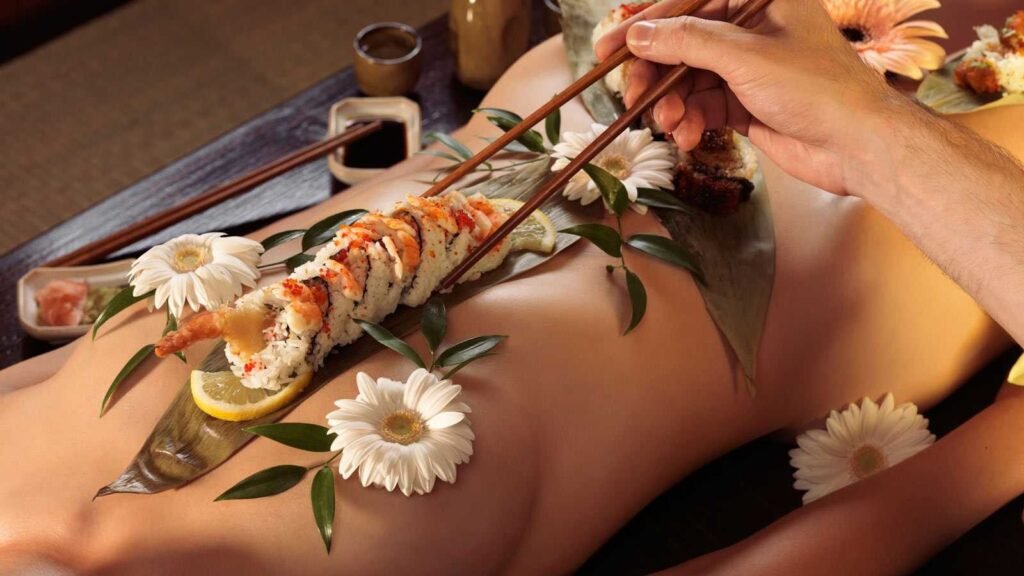
- Nyotaimori: The Japanese practice of serving sushi or other food on a nude (typically female) body, often eroticized in media and fetish contexts.
- Mukkbang fetishism: A digital-age subculture in which watching others eat large quantities of food (especially in livestreams or ASMR videos) provides erotic stimulation for some viewers.
Historical and Cultural Origins
The connection between food and eroticism is ancient and cross-cultural.
- In many mythologies and religious texts, food is linked to temptation, sensuality, and indulgence. The story of Eve and the apple in the Judeo-Christian tradition, for example, casts food as both desirable and transgressive.
- In Ancient Rome, lavish feasts often included erotic entertainments, blurring the lines between gluttony and lust.
- The Tantric traditions of South Asia sometimes incorporate food and taste as part of the sensual exploration of the body and the divine.
- In art and literature, food has long been used symbolically to represent desire—think of juicy fruits, dripping sauces, or rich desserts used to depict opulence, fertility, or seduction.
By the 20th century, the eroticization of food became more explicit in media—films like 9½ Weeks (1986) featured sensual food scenes that captured public imagination. Advertisements and pop culture often sexualize food (e.g., dripping chocolate, cream pies, or licking ice cream), reinforcing its association with indulgence, messiness, and physical pleasure.
Psychological Perspectives
The psychological foundations of food fetishes are layered and often rooted in early-life experiences, sensory associations, and emotional-symbolic meanings.
1. Sensory Stimulation
Food is inherently sensual: it involves taste, smell, touch, and even sound. For some, the textures (sticky, creamy, wet), temperatures (hot, cold), and flavors can be erotically stimulating, especially when paired with physical intimacy.
2. Eroticism of Indulgence
Food and sex both represent pleasure, appetite, and loss of control. For some, food fetishes tap into the thrill of overindulgence, gluttony, or giving in to physical urges.
3. Power Dynamics and Control
In feederism, sploshing, or nyotaimori, power dynamics may be present—one person is dominant (serving, feeding, covering), while the other is submissive (receiving, consuming, or being used as a surface).
4. Taboo and Mess
Breaking social taboos—like getting dirty with food, playing with it, or wasting it—can heighten arousal for people who associate transgression with sexual excitement.
5. Body Image and Identity
Some fetishes, particularly feederism or fat admiration, are linked to attraction toward larger body types, weight gain, or softness, connecting food directly with physical change and identity.
Overlap with Other Fetishes

Food fetishes frequently intersect with other kinks and sexual interests:
- Messy play (Wet and Messy fetish, or WAM): Sploshing is often considered part of this broader category, which includes other substances like mud, slime, or paint.
- BDSM: In power exchange scenarios, food may be used in humiliation, reward, or punishment rituals—such as being forced to eat something messy or feeding a submissive by hand.
- Feederism and fat fetishes: As noted, these involve admiration of larger bodies or the process of becoming larger, where food plays a symbolic and literal role.
- Exhibitionism: Some people enjoy eating or being sploshed in front of others, either live or via video.
- ASMR and mukbangs: While not always sexual, some people experience erotic arousal from the sounds of chewing, slurping, or watching someone eat.
Modern Cultural Impact
Food fetishes have found increasing visibility in the digital era through:
Media and Pop Culture
- Erotic scenes involving food (e.g., whipped cream, strawberries, champagne) are common in films, commercials, and music videos.
- Shows like MasterChef, The Great British Bake Off, and various mukbang streams—while not inherently erotic—have fueled the idea of food as entertainment.
Online Communities
Dedicated blogs, YouTube channels, and adult platforms host thousands of videos catering to sploshing, feederism, nyotaimori, and related interests. Food-based ASMR content is consumed by millions—sometimes erotically, sometimes as relaxation or curiosity.
Commercial Products
Adult toy companies now offer edible lubricants, body-safe whipped creams, chocolate body paints, and food-themed bondage gear, blurring the line between culinary and erotic play.
Ethical Considerations and Safety
While many food fetish practices are fun and consensual, they also require attention to hygiene, boundaries, and communication:
- Consent is essential: Especially in public or shared spaces, where messy or performative food play might affect others.
- Hygiene and health: Certain foods can cause infections or irritation if introduced to the genitals (e.g., sugar-based products may trigger yeast infections). Use food on the body with care, and avoid unsafe insertions.
- Allergies: Always be aware of allergies or intolerances—especially with common allergens like nuts, dairy, or gluten.
- Consent around body changes: In feederism or body modification play, all parties must understand and agree on long-term goals, boundaries, and health impacts.
Conclusion
Food fetishes reflect the deeply intertwined nature of desire, indulgence, and the senses. They tap into primal human instincts—eating and mating—while offering playful, creative, and often humorous ways to explore erotic pleasure.
When practiced ethically and consensually, food-based fetishes can enhance intimacy, stimulate the imagination, and bring delight through taste, touch, and mess. They also challenge traditional norms around neatness, restraint, and propriety—inviting participants to revel in the joy of sensation and shared appetite.
Do you want to explore this fetish further in a private virtual session? Contact me or fill out the Slave Application.
Did you enjoy this article? Donate to the cause via Tribute (Send Money).
Feel free to leave your thoughts in the comment section of this post.
Subscribe to My Newsletter!
Get new content updates every week...or when I feel like sending one!