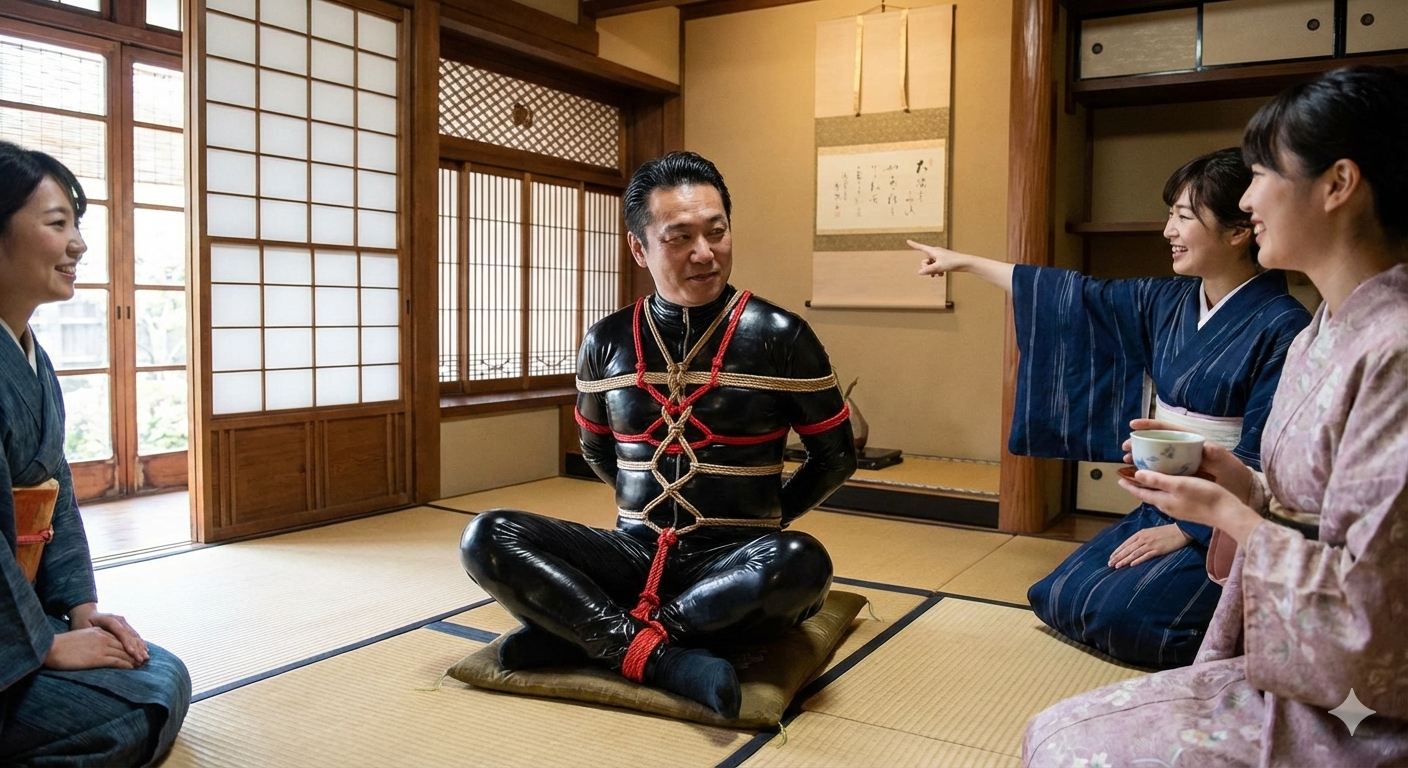
Bondage, the practice of restraining a partner using various devices or techniques, has a rich and multifaceted history that spans centuries. Today, it is a prominent aspect of BDSM (Bondage, Discipline, Sadism, Masochism) culture, celebrated for its ability to foster trust, explore power dynamics, and enhance intimacy. This article delves into the fascinating world of bondage, covering its historical background, different techniques—including rope bondage—and the wide array of devices used today. Whether you’re a seasoned enthusiast or a curious newcomer, understanding the depth and diversity of bondage can enrich your experience and appreciation.
Historical Origins of Bondage
Ancient and Medieval Roots
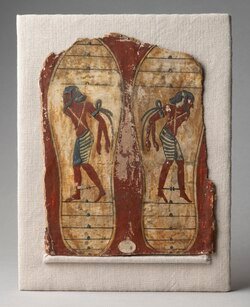
While the modern concept of BDSM and bondage as a consensual erotic practice is relatively recent, restraining devices and techniques date back thousands of years. Ancient civilizations such as Egypt, Greece, and Rome employed various forms of restraint for punishment, punishment, or ritual purposes. For example, ancient Egyptian artwork depicts figures bound with cords or strips of cloth, suggesting that restraint was integrated into cultural practices.
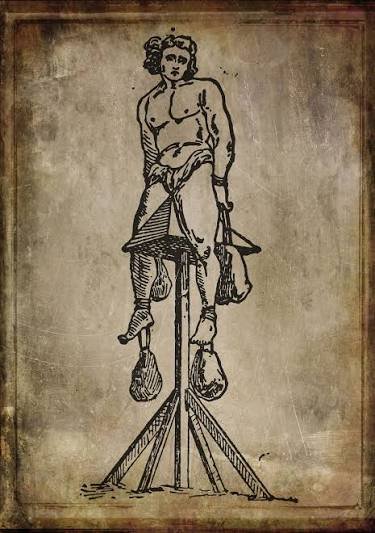
During the Middle Ages, restraint devices such as shackles, stocks, and manacles were primarily used for punishment and imprisonment. These devices often had a dual purpose: deterring crime and enforcing social order. Interestingly, some medieval torture devices—such as the “Judas chair” or the “Iron Maiden”—involved restraint as a form of torture, though these were typically not used for erotic purposes.
Medical and Nautical Influences
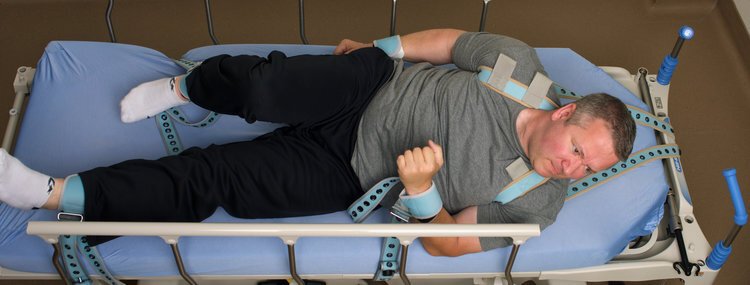
In the 18th and 19th centuries, Western medicine occasionally employed restraint devices to manage mental health patients or individuals with psychiatric conditions. Straps, straightjackets, and restraining chairs were standard tools, reflecting a utilitarian approach rather than any erotic intent. While these devices were not designed for pleasure, their mechanics and materials influenced later BDSM equipment.
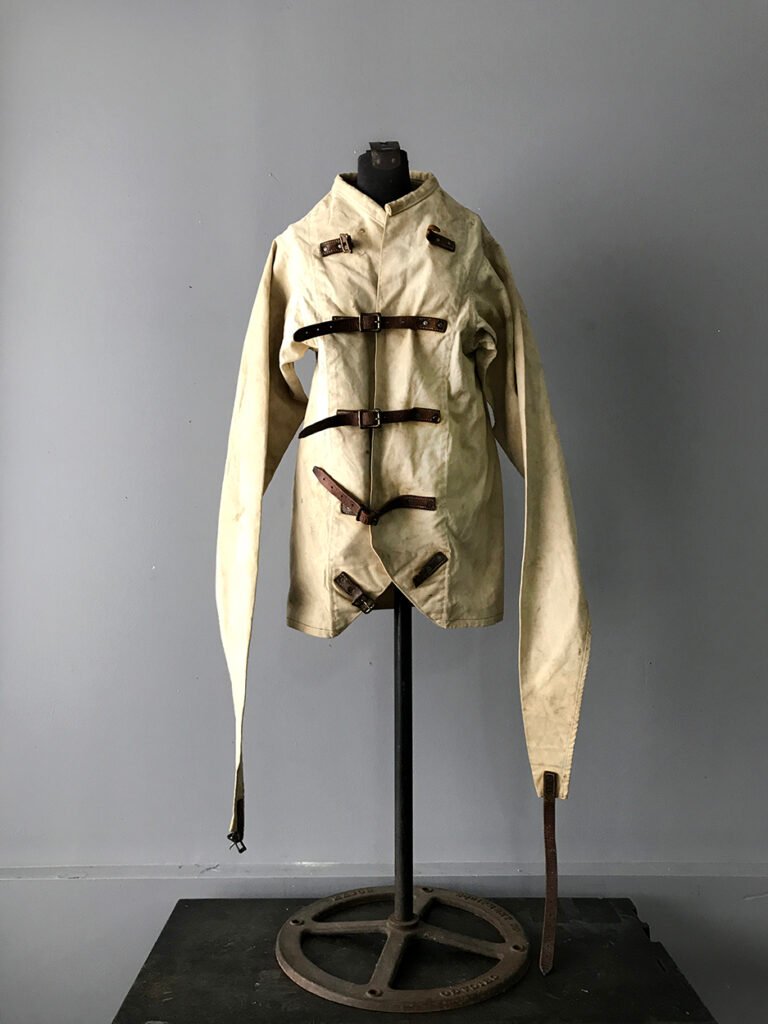
From 1912 to 1973, what once was known as the Northern State Asylum welcomed its share of the state’s “insane.”
Patients at Sedro Woolley Northern State Hospital, which housed as many as 2,700 souls in the early 1950s, ranged from the violent mentally ill (a small minority) to the mildly disturbed — and beyond, to epileptics, alcoholics, drug addicts or mere social nonconformists. Many were immigrants.
Treatments were consistent with the times, and many are now considered barbaric.
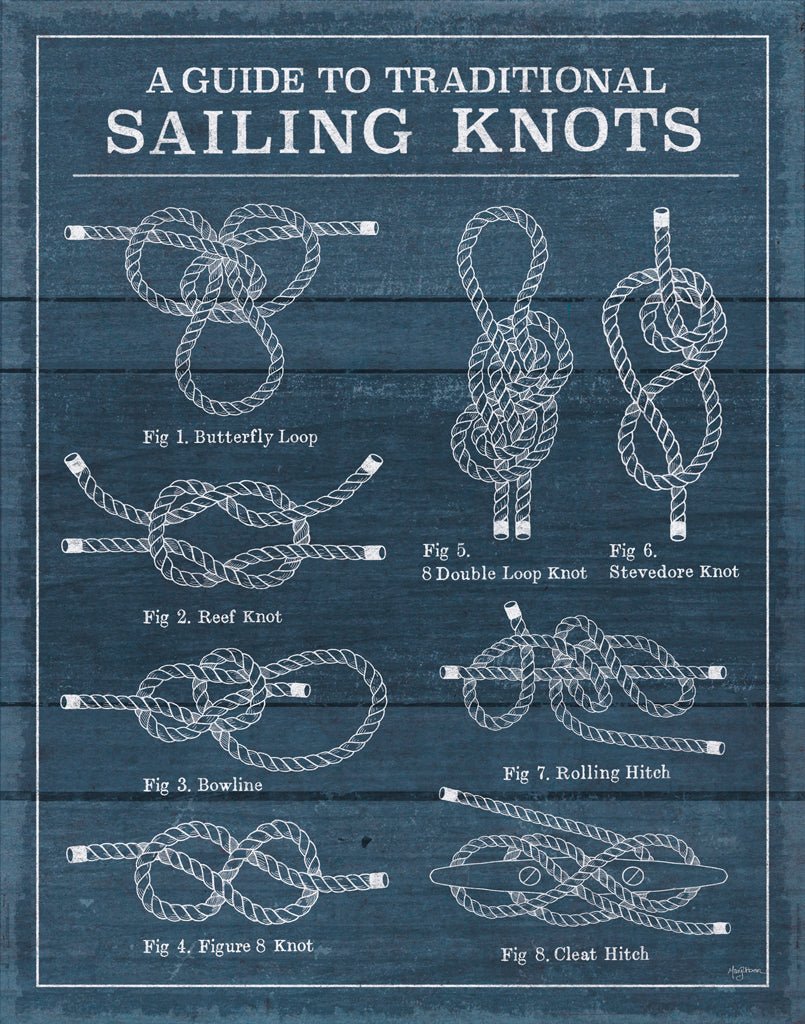
Nautical restraints, including shackles and ropes used on ships, also contributed to the development of bondage techniques. Sailors’ knots, such as the bowline and sheet bend, are still fundamental to rope bondage today.

Bondage in Modern BDSM Culture
Rope Bondage (Shibari and Kinbaku)
One of the most visually striking and intricate forms of bondage is rope bondage, often called Shibari or Kinbaku—Japanese terms that translate roughly to “decorative tying” and “tight binding,” respectively. Originating in Japan centuries ago, these techniques emphasize aesthetic beauty, precision, and trust.

Rope bondage involves the use of natural fibers like jute, hemp, or cotton ropes, which are carefully chosen for their strength, flexibility, and tactile qualities. Practitioners craft elaborate patterns—such as the harness, chest, or thigh ties—that can be both restrictive and visually appealing. The process requires skill and knowledge of knots, as well as an understanding of anatomy to ensure safety.
Bondage Devices
Beyond ropes, a variety of devices are employed for restraint, often used in more intense or sustained scenarios:
- Cuffs and Wrist Restraints: Made from leather, metal, or synthetic materials, cuffs can be padded for comfort or designed for aesthetic appeal. They can be locked with keys or combination locks.
- Leg Irons and Ankle Cuffs: Used to immobilize the legs, often with adjustable straps.
- Hogties and Spreader Bars: Devices that spread the limbs apart, increasing vulnerability and access.
- Harnesses: Rigid or flexible, harnesses can be worn around the body, often enhancing aesthetics or facilitating specific positions.
- Mummification and Encasing Devices: Items like plastic wrap, bondage bags, or cocoon devices that envelop the body, limiting movement and heightening sensation.
Materials and Sizes
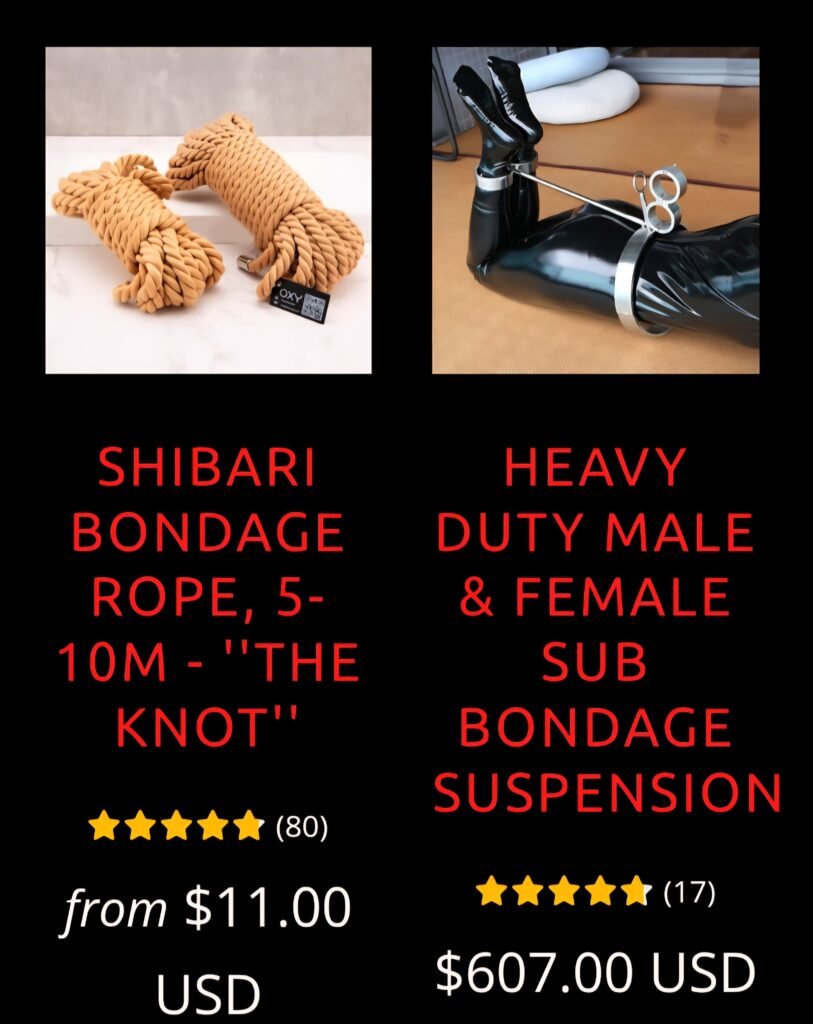
Bondage gear is manufactured from various materials including leather, metal, silicone, plastic, and rope. The choice of material affects the sensation, durability, and aesthetic. For example:
- Leather: Classic, durable, and comfortable, often used in cuffs, collars, and harnesses.
- Metal: Provides rigidity and security; popular in cuffs, collars, and spreader bars.
- Rope: Natural fibers favored for their pliability, aesthetic appeal, and tradition.
- Synthetic Materials: Such as nylon or silicone, offering smoothness and ease of cleaning.
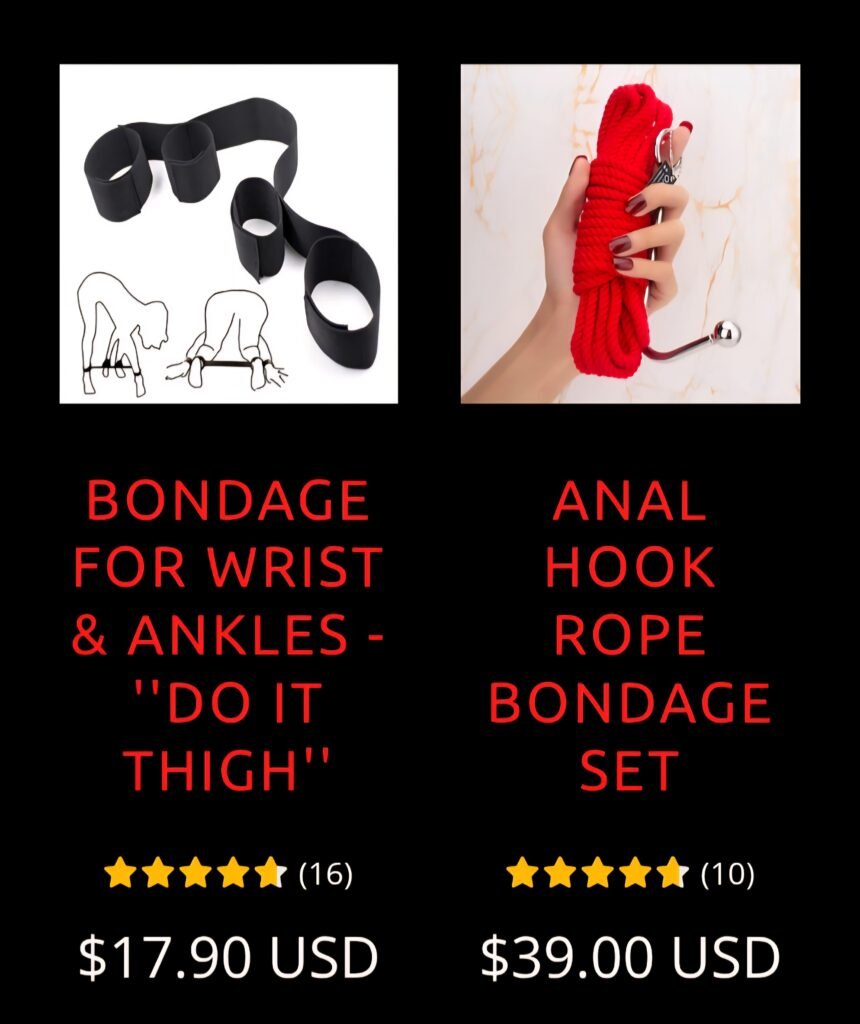
Sizes vary from snug, delicate fittings to larger, more industrial devices. Proper sizing ensures safety, comfort, and effective restraint.
Safety and Consent
While bondage can be intensely pleasurable, safety is paramount. This includes:
- Communication: Clear, ongoing consent and establishing safe words.
- Knowledge: Understanding anatomy, especially nerve pathways, to prevent injury.
- Tools: Using appropriate equipment designed for bondage.
- Monitoring: Regularly checking for circulation, breathing, and comfort.
Many practitioners recommend training or consulting experienced bondage artists, especially when exploring complex or high-risk techniques.

How to Get Started and Find Quality Equipment
For those interested in exploring bondage more deeply, finding high-quality, reliable gear is essential. Reputable sources like oxy-shop offer a wide selection of BDSM equipment, including ropes, cuffs, harnesses, and specialized devices. Their products are designed with safety, comfort, and aesthetic appeal in mind, enabling enthusiasts to build their collection confidently.
Final Thoughts
Bondage, with its deep historical roots and modern interpretations, remains a vital and expressive part of BDSM culture. Whether through intricate rope patterns, elegant harnesses, or sturdy devices, bondage allows for trust, exploration, and heightened sensation. As always, safety, consent, and communication should guide every session, ensuring that the experience is pleasurable and respectful.
For those eager to delve into the world of bondage, exploring quality equipment such as that available at oxy-shop.com can enhance your practice and help you discover new heights of intimacy and sensation. Remember, the art of bondage is as much about trust and connection as it is about technique and tools.
Do you want to explore this topic in a private virtual session? Contact me or fill out the Slave Application.
Did you enjoy this article? Donate to the cause via Tribute (Send Money).
Feel free to leave your thoughts in the comment section of this post.
Article Bdsm Education Expose Femdom femdom finance femdom financial control Fetish fetish psychology financial control financial control fetish Financial Domination financial domination online financial domination techniques financial domination training financial submission financial submissive financial tribute Findom Findomme findomme empowerment findomme services Foot Fetish money control money domination Money slave money slave lifestyle money worship money worship fetish online financial domination online findomme Paypig paypig community paypig demands paypig lifestyle paypig rituals paypig tribute power exchange Promo S&m Smoking fetish Social Video Video clip Youtube
Subscribe to My Newsletter!
Get new content updates every week...or when I feel like sending one!