Introduction
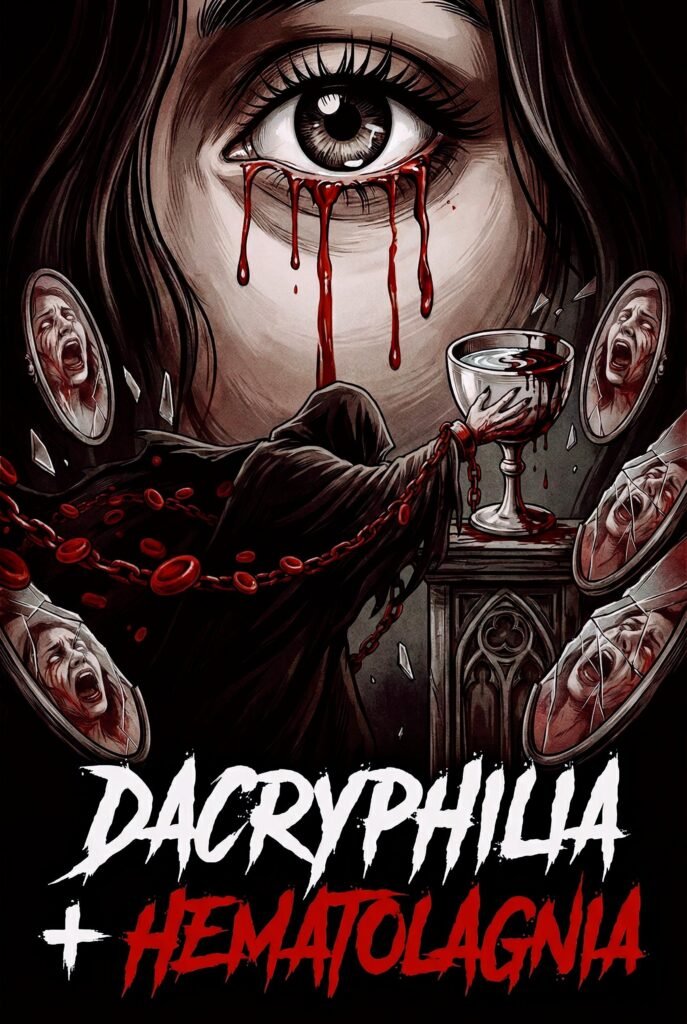
Dacryphilia is a form of sexual fetish or kink in which an individual experiences arousal from tears or crying. This can involve watching someone cry, making someone cry, or—in some cases—crying oneself. Like many fetishes, dacryphilia exists on a spectrum and can take on many forms depending on individual psychology, emotional associations, and the dynamics between partners.
While relatively obscure and rarely discussed in mainstream media, dacryphilia offers a unique intersection of emotion, vulnerability, and arousal that has become more openly explored within contemporary discussions of sexuality and kink.
Terminology and Etymology
The word Dacryphilia is derived from the Greek:
- “Dacry-” (δάκρυ) meaning “tear”
- “-philia” (φιλία) meaning “love” or “attraction”
It literally translates to “attraction to tears.” The term was first used in psychological and sexological literature in the late 20th century, though it remains under-researched compared to more widely recognized fetishes.
There is no standardized clinical classification of dacryphilia in diagnostic manuals like the DSM-5 or ICD-11, meaning it is generally not considered a disorder unless it causes significant distress or harm.

Psychological Dimensions
The psychological motivations behind dacryphilia vary widely and can include a mix of emotional, erotic, and power-based elements. Some common interpretations and drivers include:
1. Emotional Intimacy and Vulnerability
Many people who experience dacryphilia report being aroused by the emotional openness and rawness of someone crying. Tears are often seen as deeply intimate, and witnessing them may evoke a sense of connection, trust, or protectiveness.
2. Power Exchange and Control
For others, dacryphilia can stem from a dominance/submission dynamic, where the dominant partner is aroused by eliciting tears in a consensual scenario. This can be part of broader BDSM scenes, including impact play, verbal degradation, or emotional play.
3. Catharsis and Release
Some participants may view crying within a sexual or intimate context as a form of emotional release, akin to a cathartic experience. In these cases, arousal is linked not to the suffering itself but to the emotional intensity and authenticity of the moment.
4. Sadism or Masochism
In more extreme expressions, dacryphilia may intersect with sadistic or masochistic tendencies—arousal from inflicting or experiencing pain (emotional or physical). However, this is not universal, and many dacryphiliacs are not sadists or masochists.
Historical and Cultural Context
There is limited documentation of dacryphilia throughout history, primarily because the arousal from crying has often been private, unspoken, or conflated with other forms of domination and submission.
However, emotional expression—especially weeping—has long been depicted in art, literature, and religion as a powerful symbol of purity, surrender, or transformation. For instance:
- In romantic literature, a crying woman was often portrayed as delicate and emotionally open, evoking both empathy and desire.
- In religious iconography, tears are associated with divine love, repentance, or ecstatic suffering—experiences that blend spiritual and emotional intensity.

Though not always erotic, these portrayals laid the groundwork for understanding crying as a potent emotional and symbolic act.
Modern Expression and Awareness
Dacryphilia remains relatively niche, but awareness has grown in modern times due to:
- Increased openness around sexual diversity and kink.
- Sex-positive media and educational platforms discussing emotional expression in intimacy.
- Erotic art, film, and literature that explore themes of emotional exposure, dominance, and submission.
Some psychological publications and sex therapists have acknowledged dacryphilia as part of the broader spectrum of affective eroticism—where emotions themselves are arousing, not just physical acts.
Notably, consensual dacryphilic play can be part of deeply trusting relationships, where boundaries, aftercare, and emotional safety are prioritized.
Overlap with Other Fetishes and Dynamics
Dacryphilia often intersects with or resembles elements of other kinks and sexual interests:
- BDSM: Particularly in emotional domination, discipline, or punishment scenes.
- Degradation or humiliation play: Where tears are a natural emotional response to verbal or psychological scenarios.
- Caretaker/little dynamics (CGL): In some “caregiver” dynamics, crying may evoke nurturing behavior rather than dominance.
- Voyeurism: Some derive arousal from watching emotional responses, including tears.
- Masochism: When the crying is self-induced or accompanied by pain, it may be linked to a broader masochistic desire for release or submission.
However, not all forms of dacryphilia involve suffering or degradation. For some, the tears are tied to pleasure, emotional intensity, or even post-orgasmic crying.

Ethical Considerations and Consent
As with any fetish involving emotional or psychological intensity, consent and communication are crucial. While some dacryphilic play may involve consensual distress or vulnerability, crossing into non-consensual emotional manipulation is ethically unacceptable and potentially harmful.
Practices involving crying should be approached with:
- Clear negotiation and boundaries
- Safe words or signals
- Emotional aftercare
- Mutual understanding of emotional states and triggers
Partners engaging in this type of kink are often advised to debrief afterward, ensuring both parties feel emotionally safe and supported.
Medical and Psychological Perspective
Dacryphilia is generally considered a benign paraphilia as long as it is practiced consensually and doesn’t interfere with day-to-day functioning or cause harm. Some individuals may explore it within the context of therapy-informed kink, especially when it overlaps with emotional trauma or past relational patterns.
Sex therapists may view dacryphilia as part of the wider umbrella of affect-based arousal—a reminder that human sexuality is deeply intertwined with our emotional and psychological experiences.
Conclusion
Dacryphilia offers a powerful, emotionally charged lens into human sexuality—one that centers on tears, vulnerability, and emotional authenticity. While it remains underexplored in academic research, it is an example of how complex and nuanced sexual arousal can be.
Whether stemming from emotional closeness, power dynamics, or aesthetic fascination, dacryphilia challenges the notion that sexuality is purely physical. Instead, it reminds us that for many people, the deepest erotic experiences involve not just the body, but the heart and mind as well.
Further Reading & Educational Resources
- Come As You Are by Emily Nagoski – on the diversity of sexual arousal.
- Playing Well with Others by Lee Harrington & Mollena Williams – a guide to exploring kink and emotional safety.
- Psychology Today articles on emotional fetishes and affective arousal.
- The Kinsey Institute – for research on sexual behavior and non-normative arousal patterns.
Do you want to explore this fetish in a private virtual session? Contact me or fill out the Slave Application.
Did you enjoy this article? Donate to the cause via Tribute (Send Money).
Feel free to leave your thoughts in the comment section of this post.
Subscribe to My Newsletter!
Get new content updates every week...or when I feel like sending one!