Definition and Terminology
Shoe fetishism, also known as retifism, is a type of partialism—a sexual interest where a person is aroused by a specific non-genital part of the body or object. In this case, the focus is on shoes. The term retifism originates from Nicolas-Edme Rétif (1734–1806), a French writer who openly wrote about his fascination with women’s shoes, making him one of the earliest recorded individuals associated with this particular fetish.

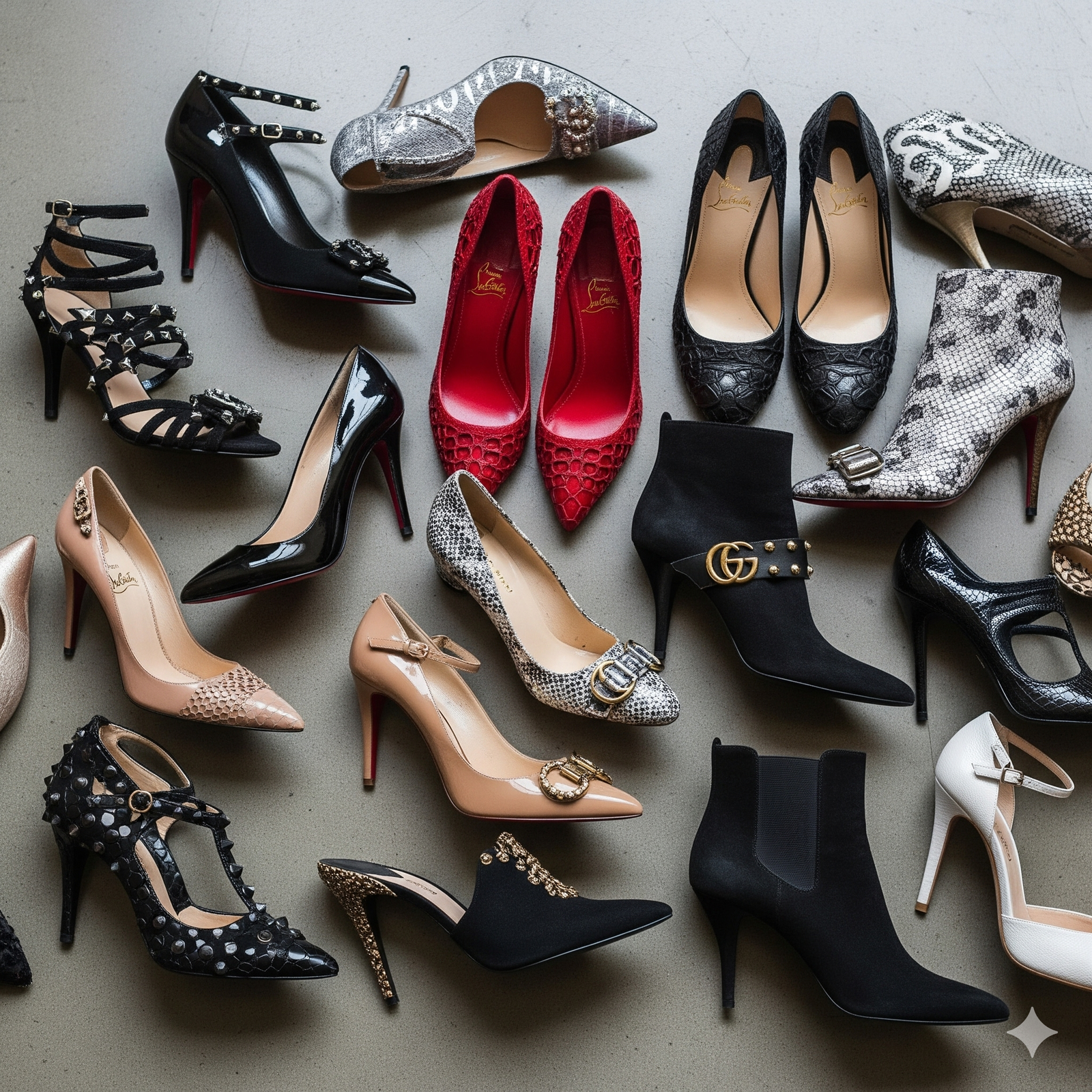
Shoe fetishism can involve attraction to specific types of footwear—such as high heels, boots, ballet flats, or even worn shoes—and may focus on their shape, texture, smell, or the way they’re worn or removed. The fetish can manifest as visual admiration, desire to touch or wear the shoes, or interest in someone else wearing them.
Historical Context and Origins
The roots of shoe fetishism can be traced back centuries. In various cultures, footwear has been symbolically charged with meanings related to status, submission, elegance, and sexuality. High heels, for example, have long been associated with femininity and erotic appeal.
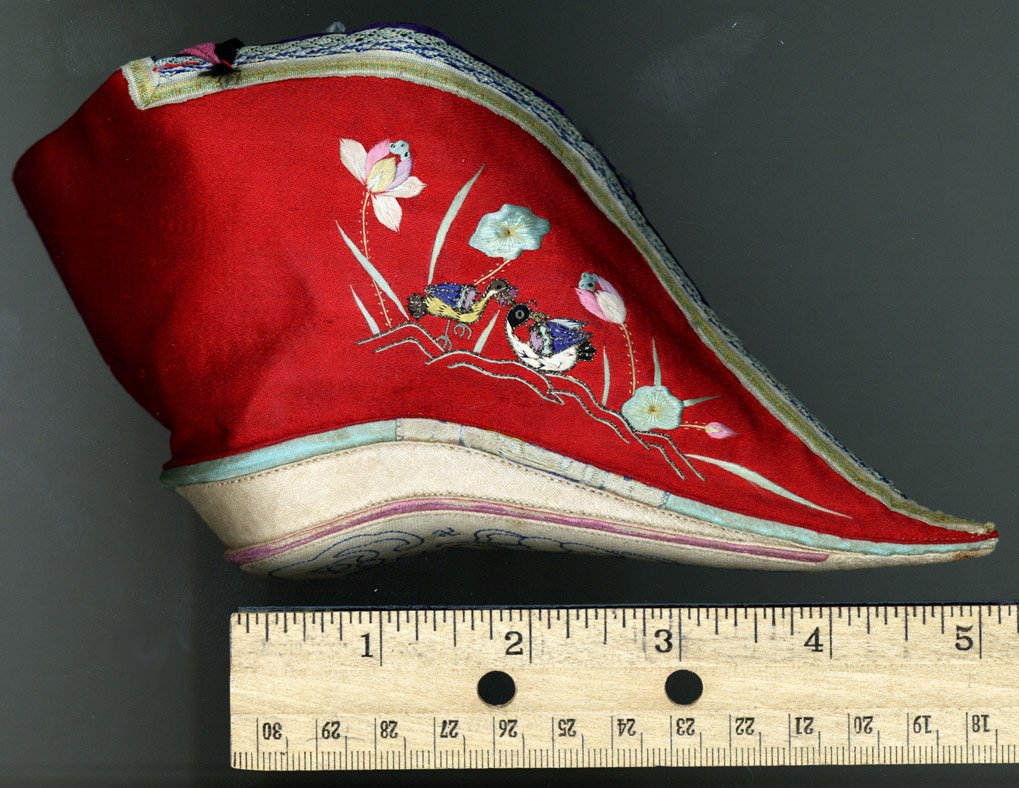
- In ancient China, bound feet and the shoes made for them (lotus shoes) were fetishized for their association with feminine delicacy and submission, though this is now seen through a critical historical lens.
- During the 18th and 19th centuries in Europe, shoes became more ornate and sexualized in art and literature, with women’s footwear often hidden beneath layers of clothing, adding to its mystique.
- In Victorian England, the concealment and gradual revealing of a woman’s ankle or foot was considered highly provocative, further fueling fetishistic associations.
Psychological Perspectives
From a psychological standpoint, shoe fetishism is generally categorized under sexual fetishism within the DSM-5, though it is not considered pathological unless it causes distress or harm. Several theories have attempted to explain the origins of such fetishes:
- Classical Conditioning: If early sexual experiences or arousal are associated with shoes (e.g., a teenager experiences arousal in a scenario involving someone wearing striking footwear), this association can become deeply ingrained.
- Freudian Theory: Freud viewed fetishes as a defense mechanism against castration anxiety. In this framework, shoes (especially high heels) might symbolize the female genitalia or a maternal figure.
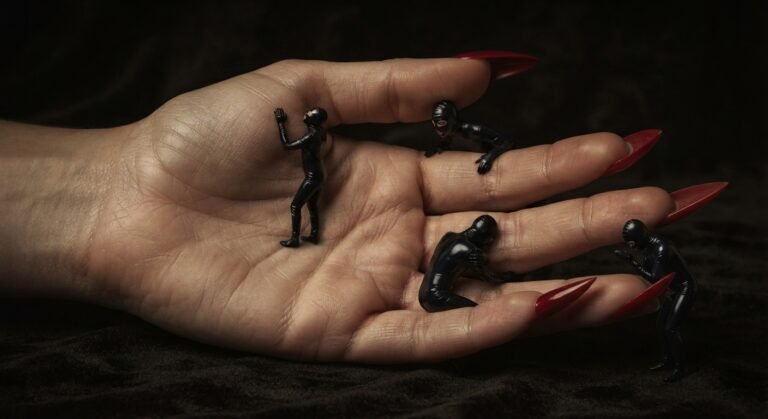
- Symbolism and Power: Shoes, particularly high heels or boots, can represent dominance, submission, or status, tying into themes found in BDSM or power play dynamics. The act of wearing or removing shoes can be ritualized and imbued with psychological significance.
- Imprinting or Developmental Factors: Some psychologists argue that certain stimuli encountered during critical developmental periods can become sexually charged through emotional imprinting.
Overlap with Other Fetishes
Shoe fetishism often overlaps with other fetishes or kinks:
- Foot fetishism: This is the most common overlap, as the shoe can be seen as an extension or “covering” of the foot.
- Leather fetishism: Many fetishized shoes (like high-heeled boots or stilettos) are made of leather, which adds a tactile and olfactory dimension.
- BDSM and Domination/Submissive Play: Shoes, particularly boots, often play a role in power dynamics. For instance, “boot worship” or “shoe licking” may occur in submissive roles.
- Clothing fetishes: Shoe fetishism can be part of a broader attraction to garments like stockings, lingerie, or uniforms.
- Trampling fetish: Some individuals derive pleasure from being stepped on by someone wearing shoes or boots, linking pain, submission, and footwear.
Modern Cultural Impact
In the modern era, shoe fetishism has become more visible and normalized, largely due to the broader acceptance of diverse sexual identities and kinks in media, fashion, and online discourse.
- Fashion advertising often sexualizes shoes, particularly stilettos and boots, reinforcing their erotic connotations.
- Pop culture, from music videos to high-fashion photo shoots, often utilizes the imagery of powerful women in heels to convey dominance and allure.
- Adult entertainment has catered to this interest extensively, with dedicated photo sets, videos, and niche modeling emphasizing various aspects of shoe fetishism.
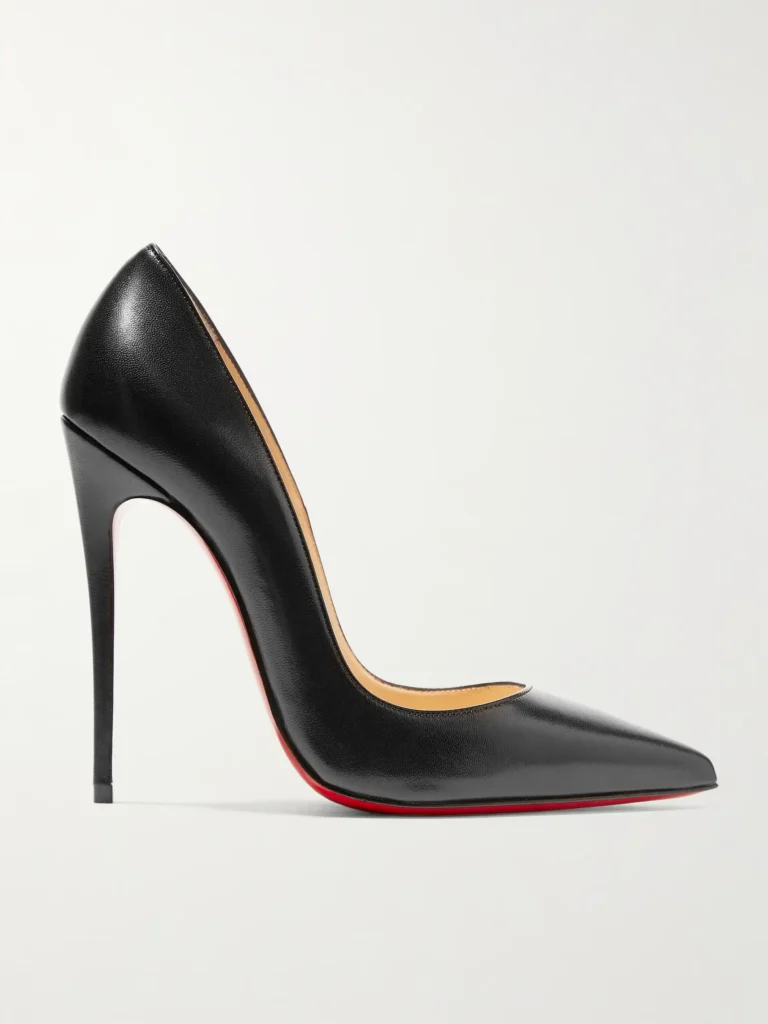
- Luxury shoe brands such as Christian Louboutin, Jimmy Choo, or Manolo Blahnik have attained iconic status partly due to their association with power, sex appeal, and feminine confidence—often leveraged in sexualized or aspirational advertising.
Gender Dynamics
While people of all genders may experience shoe fetishes, the dynamic often varies:
- Men with a shoe fetish may be attracted to women’s shoes and link them to power, submission, or femininity.
- Some women or gender nonconforming individuals may be aroused by wearing shoes themselves, enjoying the feeling of transformation, power, or identity they provide.
- In cross-dressing or sissification play, shoes often play a symbolic role, especially high heels, in affirming or exploring gender identity and eroticism.
Legal and Ethical Considerations
While shoe fetishism is generally harmless and consensual, like any fetish, boundaries and consent are crucial. Non-consensual behaviors, such as stealing or photographing shoes without permission, cross ethical and often legal lines.
Conclusion

Shoe fetishism is a rich and multifaceted phenomenon that spans psychology, fashion, history, and human sexuality. It reflects deeper themes of identity, power, sensuality, and symbolism. As with all fetishes, it’s best understood not as a pathology but as part of the broad spectrum of human erotic and emotional expression—provided it exists within the bounds of consent, respect, and personal agency.
Do you want to explore this fetish further in a private virtual session? Contact me or fill out the Slave Application.
Did you enjoy this article? Donate to the cause via Tribute (Send Money).
Feel free to leave your thoughts in the comment section of this post.
Subscribe to My Newsletter!
Get new content updates every week...or when I feel like sending one!






















Better than the average post on this subject by some distance